Did you know?
The average car has around 30,000 individual parts.
AutoThrust India
The latest car launches, in-depth reviews, variant price updates, and expert insights from India's roads.
Did you know?
The first speeding ticket was issued in 1896 — the driver was doing 8 mph.
Did you know?
The average car has around 30,000 individual parts.
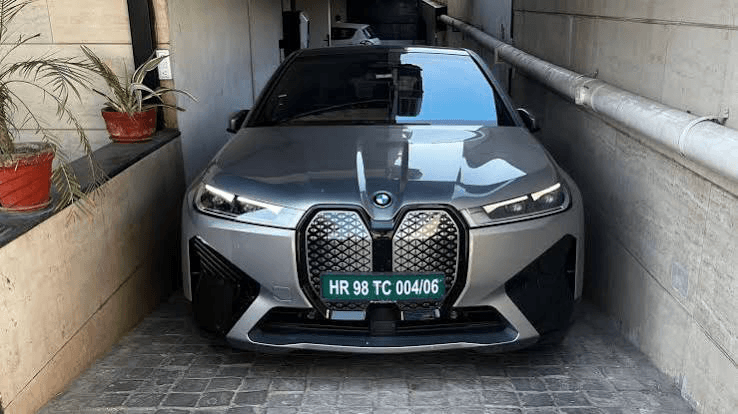
BMW has strengthened its position in the global luxury car market by maintaining its overall sales lead over Mercedes-Benz during the first half of 2025. While both brands continue to invest heavily in electric vehicles (EVs), BMW has pulled far ahead in one key area—pure electric car sales.
Here's a closer look at the latest numbers and what they reveal about the growing EV battle between the two German luxury carmakers.
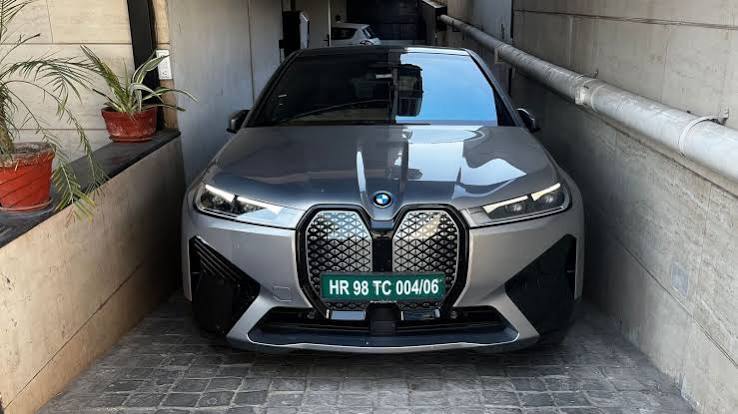
During the first six months of 2025, BMW delivered 1,070,814 vehicles worldwide. Although this was a slight decline of 2.3 percent compared to the same period last year, the brand comfortably stayed ahead of Mercedes-Benz.
Mercedes-Benz sold 899,974 cars globally, registering a bigger decline of 6 percent. This gave BMW a lead of over 170,000 vehicles in overall sales.
It is worth noting that BMW Group's total sales of 1.2 million vehicles include MINI and Rolls-Royce, so only the BMW brand's figures should be compared directly with Mercedes-Benz Cars.
The biggest difference between the two brands can be seen in battery-electric vehicle (BEV) sales.
BMW sold approximately 174,000 fully electric cars during the first half of 2025. This figure comes from the brand's total electrified sales of 272,402 vehicles, which also included 98,339 plug-in hybrids.
Mercedes-Benz, on the other hand, delivered 75,733 battery-electric vehicles and 105,033 plug-in hybrids, taking its total electrified sales to 180,766 units.
This means BMW sold more than 2.3 times as many fully electric cars as Mercedes-Benz during the same period.
While BMW dominates pure EV sales, the story is different for plug-in hybrids.
Mercedes-Benz sold 105,033 plug-in hybrid vehicles, only 6,694 units more than BMW's 98,339 plug-in hybrids.
Both companies also recorded healthy growth in this segment. BMW's plug-in hybrid sales increased by 28.9 percent, while Mercedes-Benz posted a 21 percent growth.
This shows that both manufacturers continue to see strong demand for plug-in hybrid vehicles alongside fully electric models.
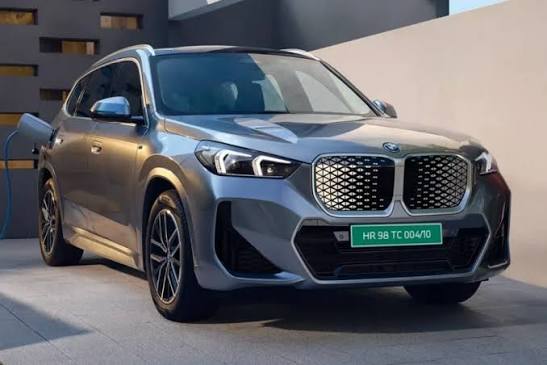
BMW Group reported 220,540 battery-electric vehicle sales, an increase of 15.7 percent compared to last year.
In contrast, Mercedes-Benz experienced a significant decline, with battery-electric sales falling 19 percent to 75,733 units.
These numbers clearly show that BMW currently has much stronger momentum in the global electric vehicle market.
One reason behind BMW's success is its wide range of electric models.
The company already offers electric versions of several popular models, including the i4, i5, i7, iX1, and iX. MINI's electric lineup has also contributed significantly to the BMW Group's overall EV sales.
BMW is also preparing for the future with its dedicated Neue Klasse electric vehicle platform. The first production model based on this architecture will be the next-generation BMW iX3, and the technology will gradually be introduced across more models.
Despite weaker EV sales, Mercedes-Benz continues to invest heavily in electrification.
The company introduced the new electric CLA in Europe this year and is developing future electric models based on its MMA and MB.EA platforms.
At the same time, Mercedes-Benz plans to continue offering plug-in hybrids and electrified petrol models, giving customers more powertrain options during the transition to electric mobility.
The latest sales figures do not suggest that one company is focusing only on EVs while the other is relying entirely on hybrids.
BMW is currently enjoying much stronger demand for battery-electric vehicles, while Mercedes-Benz continues to generate solid sales through its plug-in hybrid lineup.
Both companies remain committed to expanding their electric portfolios, but BMW has clearly built a significant lead in the pure EV segment.
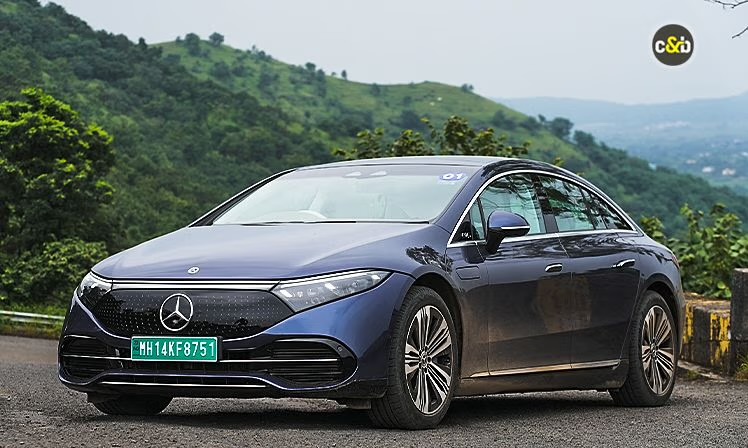
The first half of 2025 highlights BMW's growing dominance in the premium electric vehicle market. Selling more than twice as many fully electric cars as Mercedes-Benz is a major achievement and shows that the brand's EV strategy is paying off.
Mercedes-Benz, however, is far from out of the race. With several new electric models on the way and continued investment in both EVs and plug-in hybrids, the competition between these two luxury giants is only expected to become more intense in the coming years.
 News
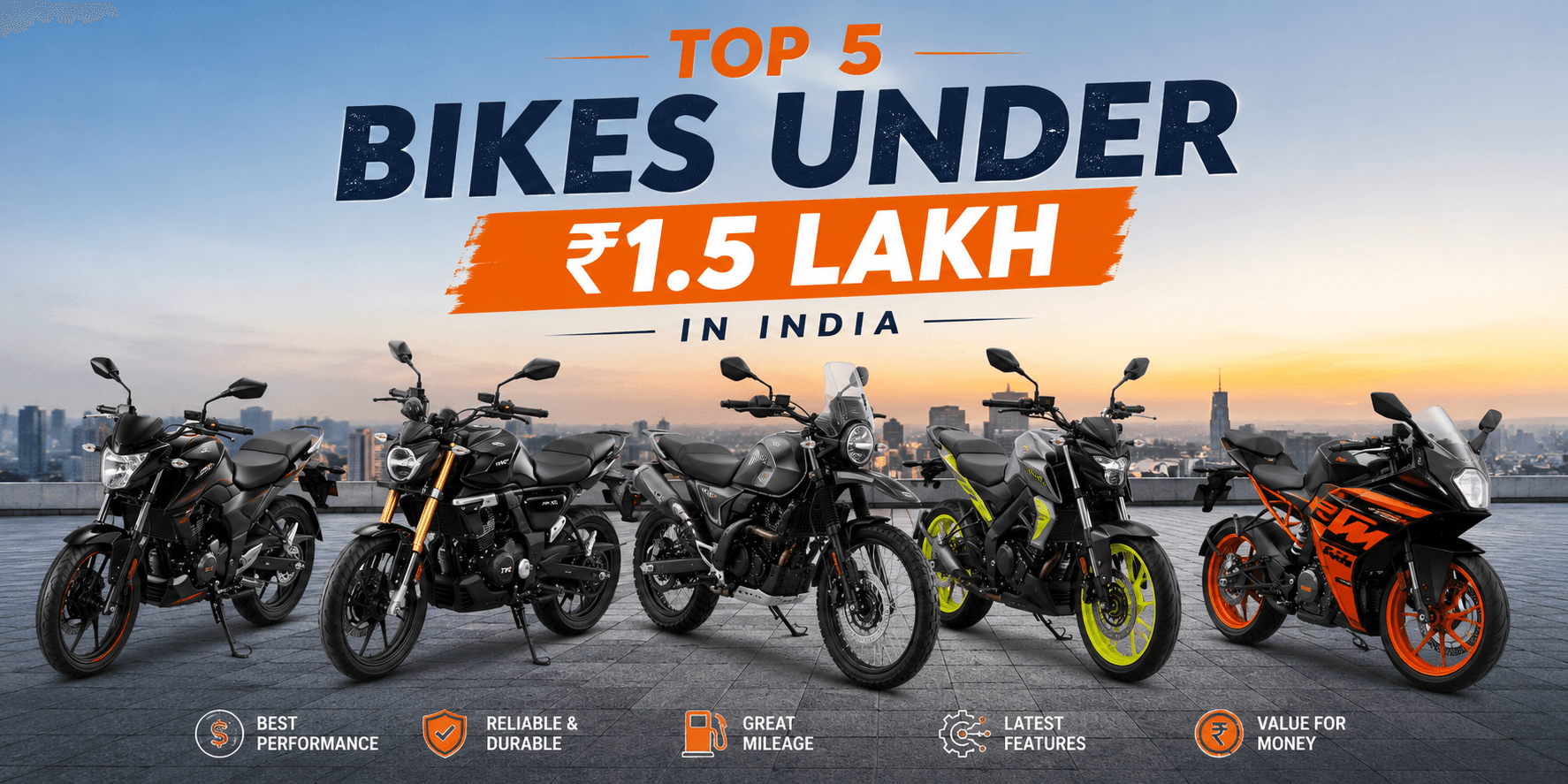
NewsFor most first-time buyers in India, a bike in the ₹1 lakh to ₹1.5 lakh range hits the sweet spot, powerful enough for daily commutes and highway rides, yet light on the wallet in terms of both price and running costs. Here’s our pick of the best options currently available
 News
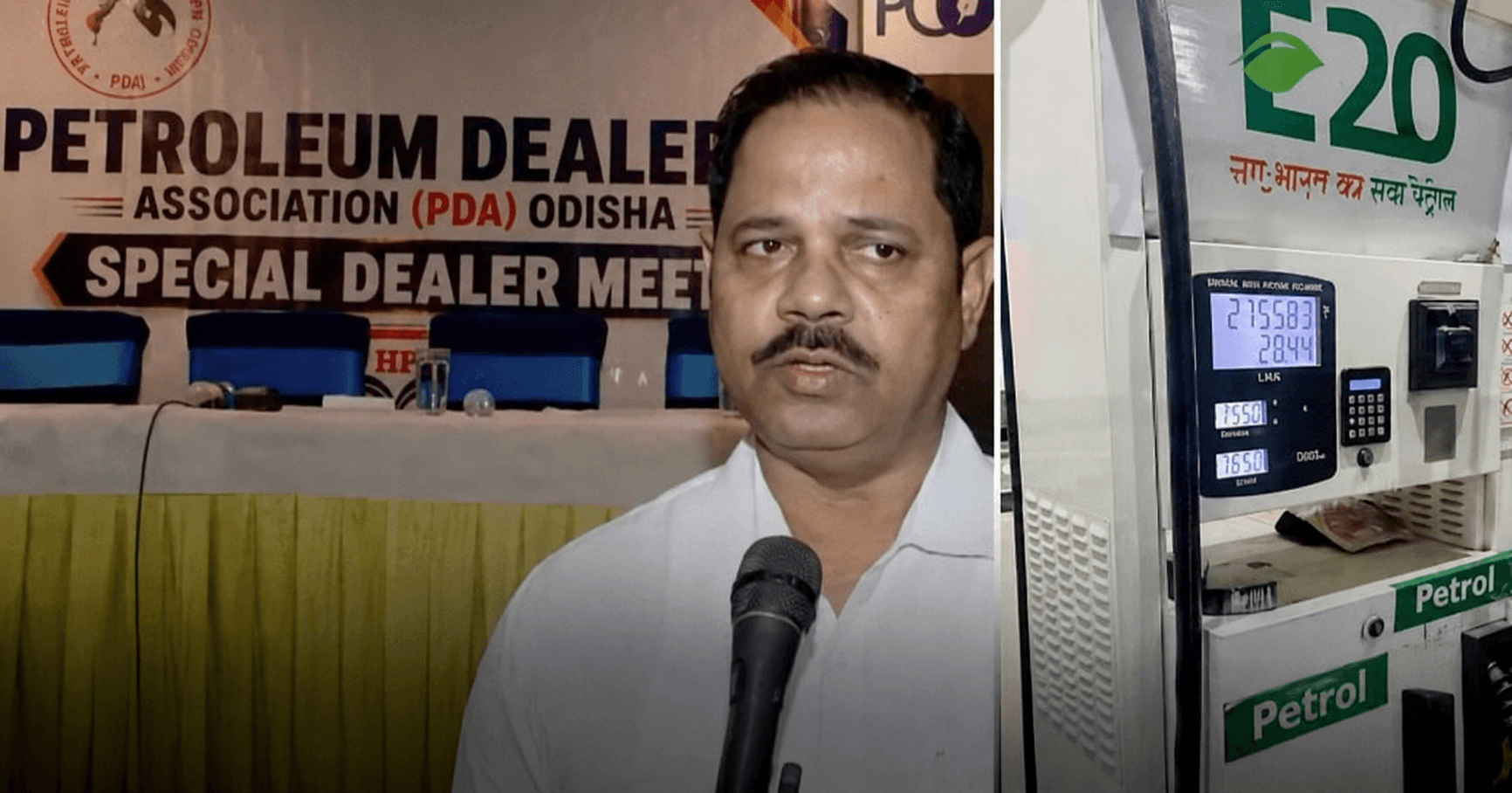
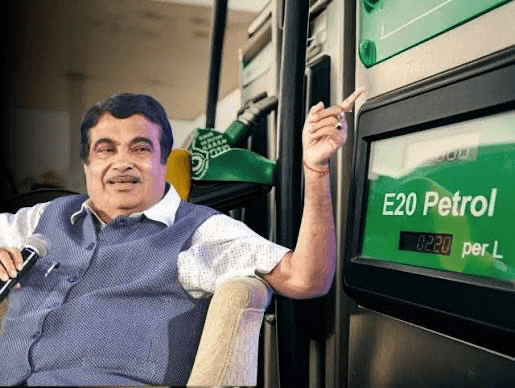
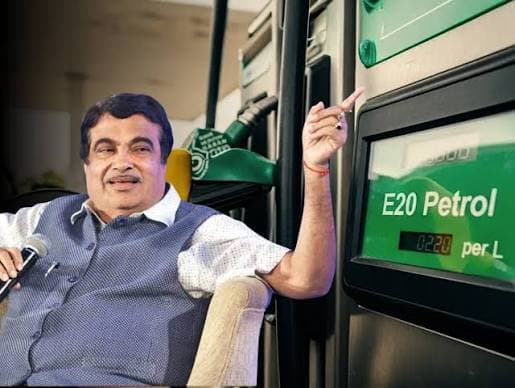
NewsUnion Minister Nitin Gadkari has fiercely defended India's E20 ethanol blending mandate, calling criticism 'sponsored propaganda,' even as vehicle owners worry about fuel efficiency and engine longevity. We break down the government's stance and what this standard fuel means for your daily drive and long-term car care.
During the first half of 2025, BMW delivered 1,070,814 vehicles worldwide, marking a 2.3 percent decline. In comparison, Mercedes-Benz sold 899,974 cars globally, representing a larger 6 percent decline, which gave BMW a lead of over 170,000 vehicles.
BMW sold approximately 174,000 fully electric cars during the first half of 2025, representing a 15.7 percent increase for the BMW Group. Mercedes-Benz fell behind, delivering 75,733 battery-electric vehicles, which marks a significant 19 percent decline compared to the previous year.
Mercedes-Benz led the plug-in hybrid segment, selling 105,033 vehicles, which is 6,694 units more than BMW's 98,339 units. Both brands saw strong growth, with BMW's plug-in hybrid sales increasing by 28.9 percent and Mercedes-Benz posting a 21 percent growth.
BMW is preparing for the future with its dedicated Neue Klasse electric vehicle platform. The first production model to be built on this new architecture will be the next-generation BMW iX3, and the technology will gradually expand across more models.