Did you know?
Regenerative braking lets EVs recharge their batteries while slowing down.
AutoThrust India
The latest car launches, in-depth reviews, variant price updates, and expert insights from India's roads.
Did you know?
The Tata Nano was once the world's cheapest production car.
Did you know?
Regenerative braking lets EVs recharge their batteries while slowing down.
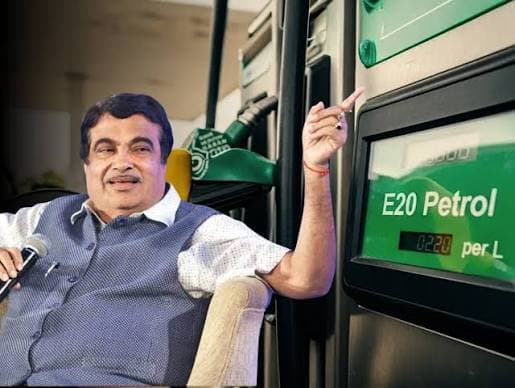
The debate around E20 petrol, a blend of 20 percent ethanol with gasoline, has reached a fever pitch among Indian motorists. Concerns over everything from diminishing fuel efficiency to the long-term health of our car engines have proliferated, particularly among owners of older vehicles. Yet, Union Road Transport and Highways Minister Nitin Gadkari has dismissed these worries in no uncertain terms, boldly stating that the criticism leveled against E20 is nothing short of "sponsored propaganda."
It's a strong claim, one that directly challenges the growing apprehension many of us feel at the pump. As E20 rapidly becomes the standard fuel across the country, Gadkari's unyielding defense begs a crucial question: What does this mean for you, the Indian car owner, who simply wants to keep their vehicle running reliably and affordably?
Minister Gadkari isn't just defending a policy; he's drawing a line in the sand. His recent statements confirm that the government's ethanol blending programme is not only here to stay but is considered a matter of national interest. This isn't about private agendas, he insists. It's about India's energy future.
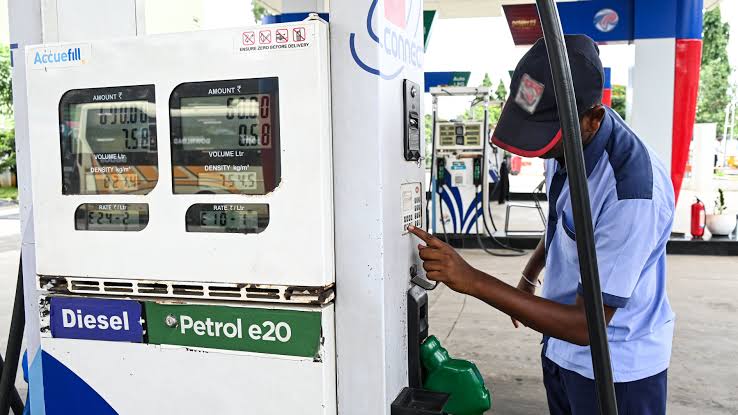
He directly challenged the rising tide of criticism, pointing out that major automobile manufacturers in India haven't reported widespread engine damage. If E20 were truly harmful, Gadkari suggests, the manufacturers themselves would be the first to raise concerns. This perspective places the onus squarely on the industry, implying their silence is an endorsement of the fuel's compatibility.
Crucially, Gadkari also tackled allegations linking the ethanol policy to his family's long-standing involvement in the sugar industry. While acknowledging a decades-long association, he clarified that his family's share in India's total ethanol production stands at a minuscule 0.07 percent. He also stressed that their entry into the sugar business predates the country's ethanol blending program, seeking to distance personal interests from national policy. For us at AutoThrust India, this 0.07 percent figure is a critical detail in understanding the context of his rebuttal against conflict of interest claims.
The government's push for ethanol isn't solely about fuel, according to Gadkari; it's a multi-pronged strategy aimed at broad national benefits. We've heard these arguments before, but they bear repeating as the policy becomes a daily reality for motorists:
Reducing Fuel Imports: India's hefty crude oil import bill is a drain on foreign exchange. Blending ethanol is seen as a direct way to curb this dependency.
Saving Foreign Exchange: Fewer imports mean more forex reserves can be allocated to other critical sectors, strengthening the national economy.
Supporting Farmers: The policy creates additional demand for crops like sugarcane and maize, offering a new revenue stream for the agricultural sector, a significant constituency in India.
Improving Energy Security & Emissions: By diversifying our fuel sources and promoting a cleaner-burning blend, the government aims to enhance energy security and reduce vehicle emissions, contributing to cleaner air in our congested cities.
This isn't just about cutting costs; it’s framed as a strategic move to benefit both the economy and our massive agricultural base. The long-term implications for India's energy independence are substantial, but the immediate implications for your car are what concern us most.
For many motorists, the biggest question revolves around safety and reliability. Has E20 truly been tested rigorously enough? Gadkari assures us that the program was introduced only after "extensive scientific testing." He cited a four-year research period, involving leading organizations like the Automotive Research Association of India (ARAI) and other government research institutes.
These studies, he confirmed, delved into critical areas:
Engine durability
Fuel systems
Corrosion resistance
Integrity of rubber components
Overall vehicle performance
According to the government, these comprehensive evaluations concluded that modern vehicles are "fully capable of running on E20 petrol without major mechanical issues." This is a powerful claim, suggesting that the initial design of newer cars implicitly accounts for such blends. Our read? If you own a newer model, purchased within the last few years, the government believes your car is well-equipped for E20. But what about the rest of us?
The rubber, quite literally, meets the road when we talk about E20. While the government paints a picture of national benefit, the individual motorist faces immediate and tangible changes. Here's our breakdown of what Gadkari's statements, and the E20 mandate, imply for your driving experience:
1. The Inevitable Mileage Hit: This is perhaps the most direct impact, and it's one the government itself has acknowledged. Ethanol, frankly, contains less energy than pure petrol. As a result, some vehicles will "experience a slight reduction in fuel efficiency." This isn't a speculative concern; it's a confirmed trade-off. For older models, this "slight reduction" could be more pronounced. Think about your daily commute in Bengaluru traffic or those long runs on NH48; a persistent, even minor, drop in kilometres per litre will add up over months and years, directly impacting your wallet.
2. Older Vehicles Face Greater Uncertainty: While modern cars are deemed capable, the phrasing leaves older vehicles in a more ambiguous position. Gadkari's focus on "modern vehicles" implicitly highlights the potential vulnerability of cars manufactured before the E20 mandate was even on the drawing board. Corrosion, seal degradation, and fuel system compatibility become genuine concerns for these models. The average lifespan of a car in India is long, and a significant portion of the fleet is still running on older technology. We'd argue that the government's blanket assurance for "modern vehicles" doesn't fully address the practical reality for millions of older car owners.
3. No Choice at the Pump: The government has made E20 petrol the "standard fuel across the country." This means you won't have the option to choose pure petrol or a lower blend in many stations soon. For those who might have preferred to stick with E10 or less, perhaps due to owning an older, cherished vehicle, that choice is increasingly removed. This is a significant shift in consumer autonomy, underscoring the government's unwavering commitment to the policy.
4. Long-Term Maintenance Costs: A Lingering Question: While Gadkari states auto manufacturers haven't reported widespread damage, the long-term effects of E20 on seals, fuel pumps, and injectors—especially in older cars or those with high mileage—remain a subject of concern for many mechanics and owners. The scientific testing covered durability, but accelerated wear and tear over years of consistent E20 use is a different beast. Only time will truly tell if those "major mechanical issues" stay away.
At AutoThrust India, we believe in looking at both sides. Gadkari's defense of E20 as a national imperative for energy security, reduced imports, and farmer support is compelling from a macroeconomic perspective. India's reliance on imported crude is indeed a vulnerability, and any policy aimed at mitigating that is commendable in its intent.
However, dismissing widespread consumer concerns as "sponsored propaganda" feels a bit too convenient. The anxieties of vehicle owners regarding mileage and potential engine impact are genuine. For a country where a car is often the second-largest household investment after a home, and where fuel costs are a constant pressure point, even a "slight reduction" in efficiency can feel substantial over years of ownership.
The fact that E20 blending had already reached 19.93 percent by July 2026, according to the government's projections or past statements, indicates the rapid pace of this rollout. Combined with its designation as the standard fuel, it means adaptation, not avoidance, is the only real strategy for Indian motorists.
Our advice? If you're buying a new car today, ensure it's fully E20 compliant, a standard most new models already meet. For owners of older vehicles, be vigilant. Keep an eye on your fuel efficiency, pay attention to any unusual engine behavior, and stick to your service schedule religiously. While the government and ARAI assert the safety of E20, proactive maintenance remains your best defense.
Nitin Gadkari's staunch defense makes it clear: India's ethanol blending program is non-negotiable and will proceed full steam ahead. The government sees E20 as well-tested, safe, and overwhelmingly beneficial for the country's economy and environment. From their perspective, the slight compromise on fuel efficiency is a small price to pay for greater energy independence and agricultural prosperity.
Yet, the lingering questions from vehicle owners about long-term mileage, unforeseen maintenance costs, and the specific impact on an aging vehicle fleet persist. As E20 fully embeds itself as the standard fuel across India, the onus is now on motorists to adapt. The debate may continue, but the reality at the fuel pump is already settled. For better or worse, E20 is our future, and understanding its implications is paramount for every car owner.
Nitin Gadkari strongly defends E20 petrol, stating that criticism is 'sponsored propaganda.' He asserts the policy is in India's national interest to reduce oil imports and support farmers, not driven by private agendas.
Yes, the government acknowledges that ethanol contains less energy than petrol, which may lead to a 'slight reduction' in fuel efficiency, particularly in older vehicle models.
According to Gadkari, E20 underwent extensive scientific testing for four years by organizations like ARAI, covering engine durability, fuel systems, and corrosion, before being approved for nationwide use.
While modern vehicles are deemed fully capable, the government admits older models may experience a 'slight reduction' in fuel efficiency. Concerns about long-term impact on older fuel systems and components persist among owners.
 News
NewsFor most first-time buyers in India, a bike in the ₹1 lakh to ₹1.5 lakh range hits the sweet spot, powerful enough for daily commutes and highway rides, yet light on the wallet in terms of both price and running costs. Here’s our pick of the best options currently available
 News
NewsMaruti Suzuki has officially opened bookings for the highly anticipated Brezza facelift, inviting enthusiasts to reserve their updated compact SUV for a token amount of Rs 11,000. Set for a grand debut on July 24, the new Brezza promises a significant refresh, poised to redefine its segment with an array of exterior and interior enhancements.
 News
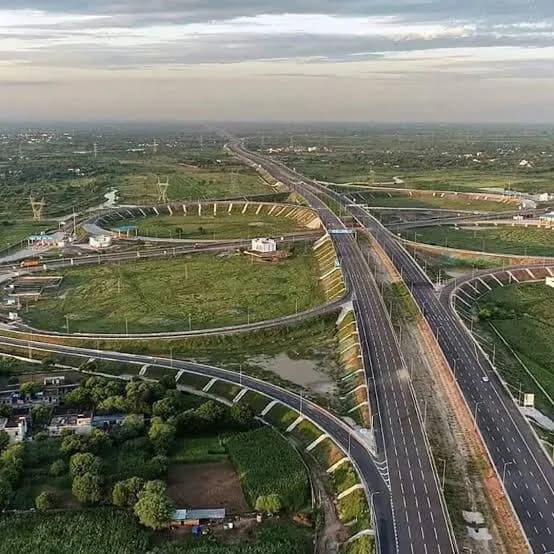
NewsUttar Pradesh is set for a massive connectivity boost with a Rs 1.94 lakh crore road infrastructure package. Discover the mega expressways, bypasses, and corridors reshaping Indian highways.
 News
NewsBMW has taken a commanding lead in the premium electric car segment, selling more than twice as many EVs as Mercedes-Benz. Here's a look at the latest sales figures, what's driving BMW's success, and how the luxury EV market is evolving.
 News
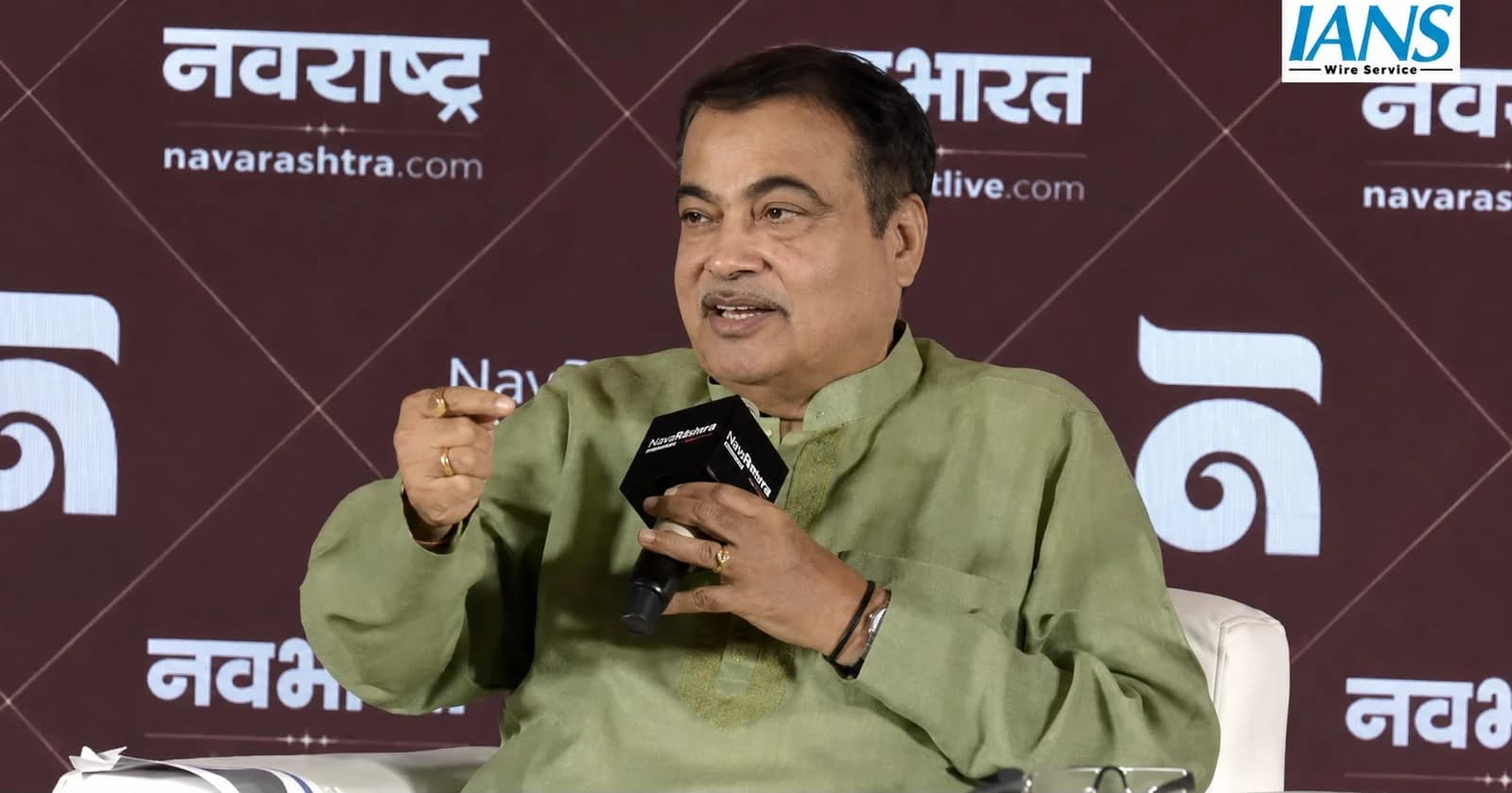
NewsUnion Minister Nitin Gadkari recently challenged E20 fuel critics, asking them to name a single car adversely affected by the blend. This firm statement reinforces India's commitment to E20, signaling a pivotal shift towards sustainable mobility and energy independence.
 News
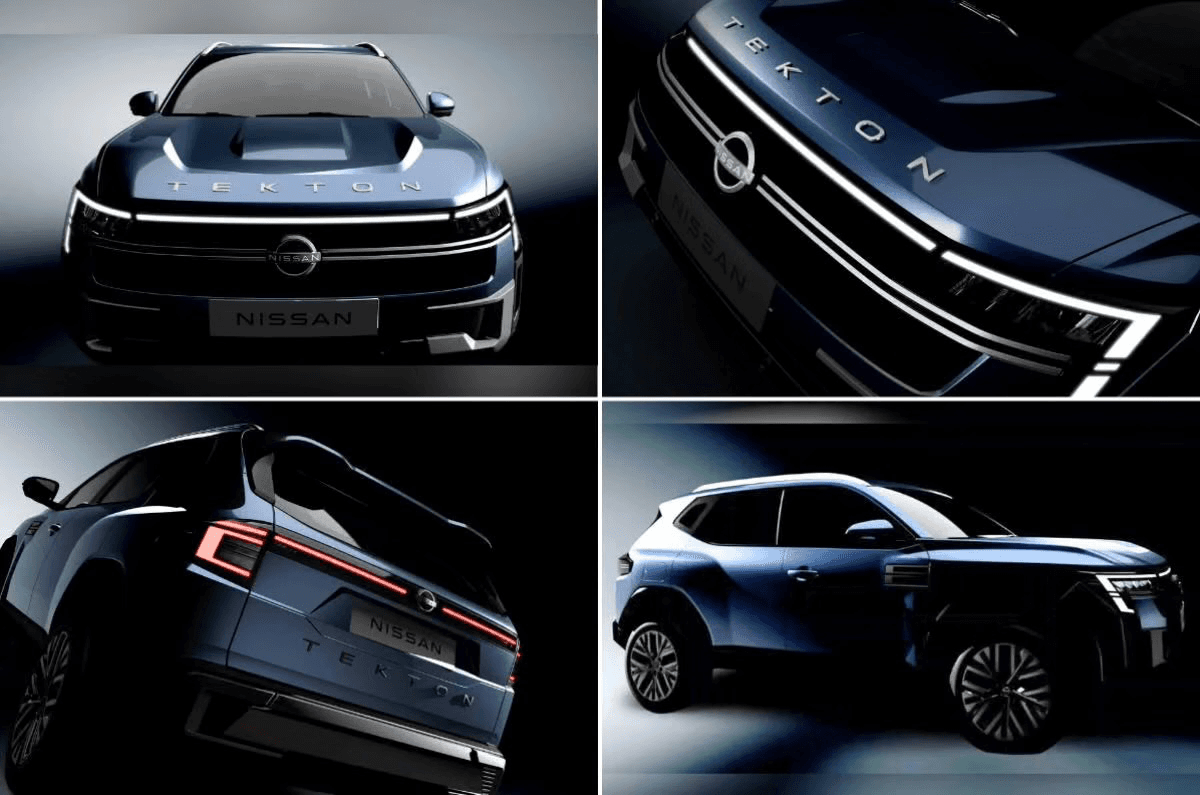
NewsThe Nissan Tekton is shaping up to be a strong rival in the midsize SUV segment, but there's one major feature it reportedly won't share with the Renault Duster. Here's why the upcoming SUV is expected to miss out on the strong-hybrid powertrain and what buyers can expect instead
 News
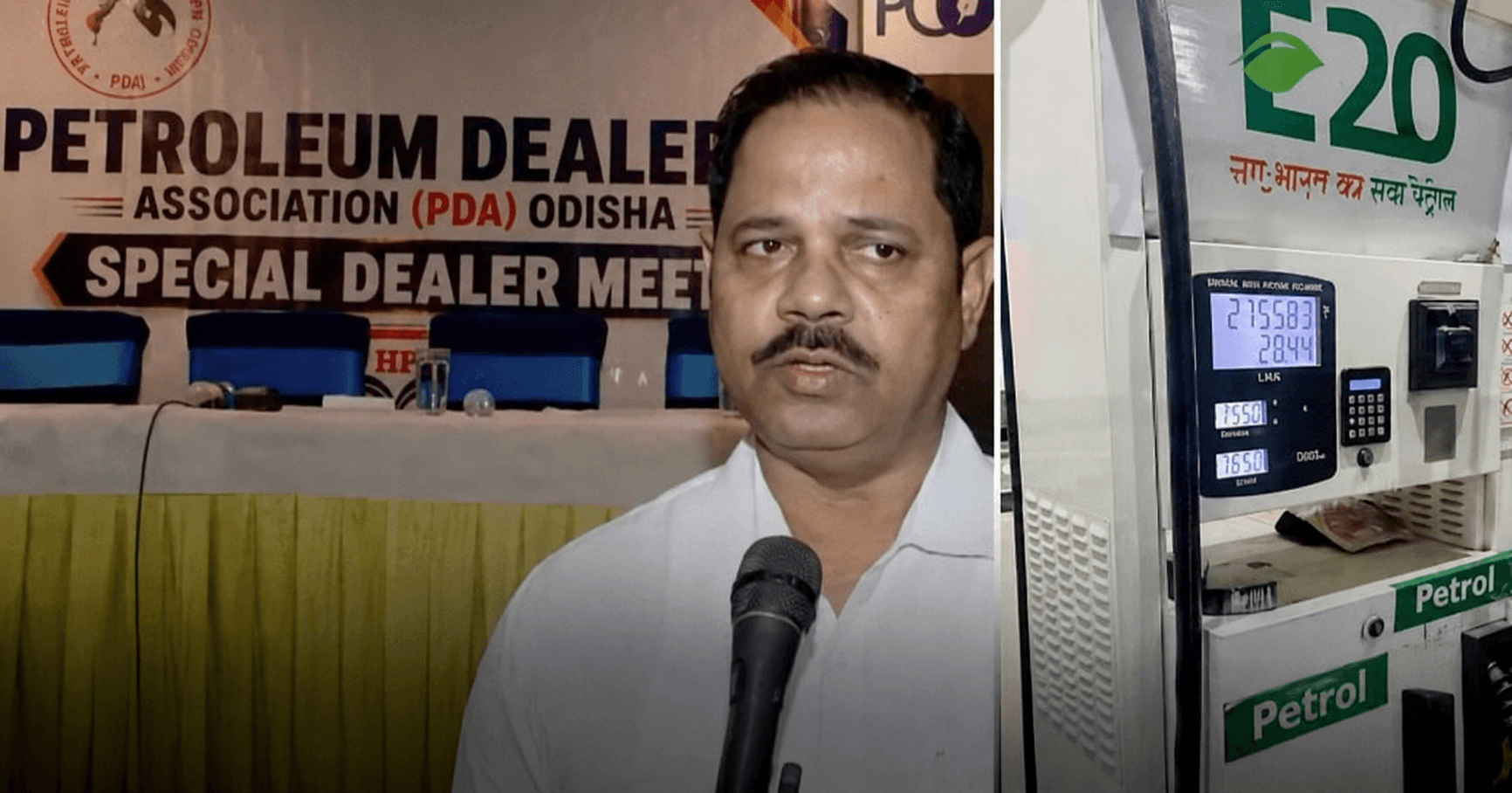
NewsPetrol dealers say customer complaints about E20 petrol are increasing, with many vehicle owners raising concerns over mileage, performance and maintenance. Here's what dealers have to say about the ongoing debate
 News
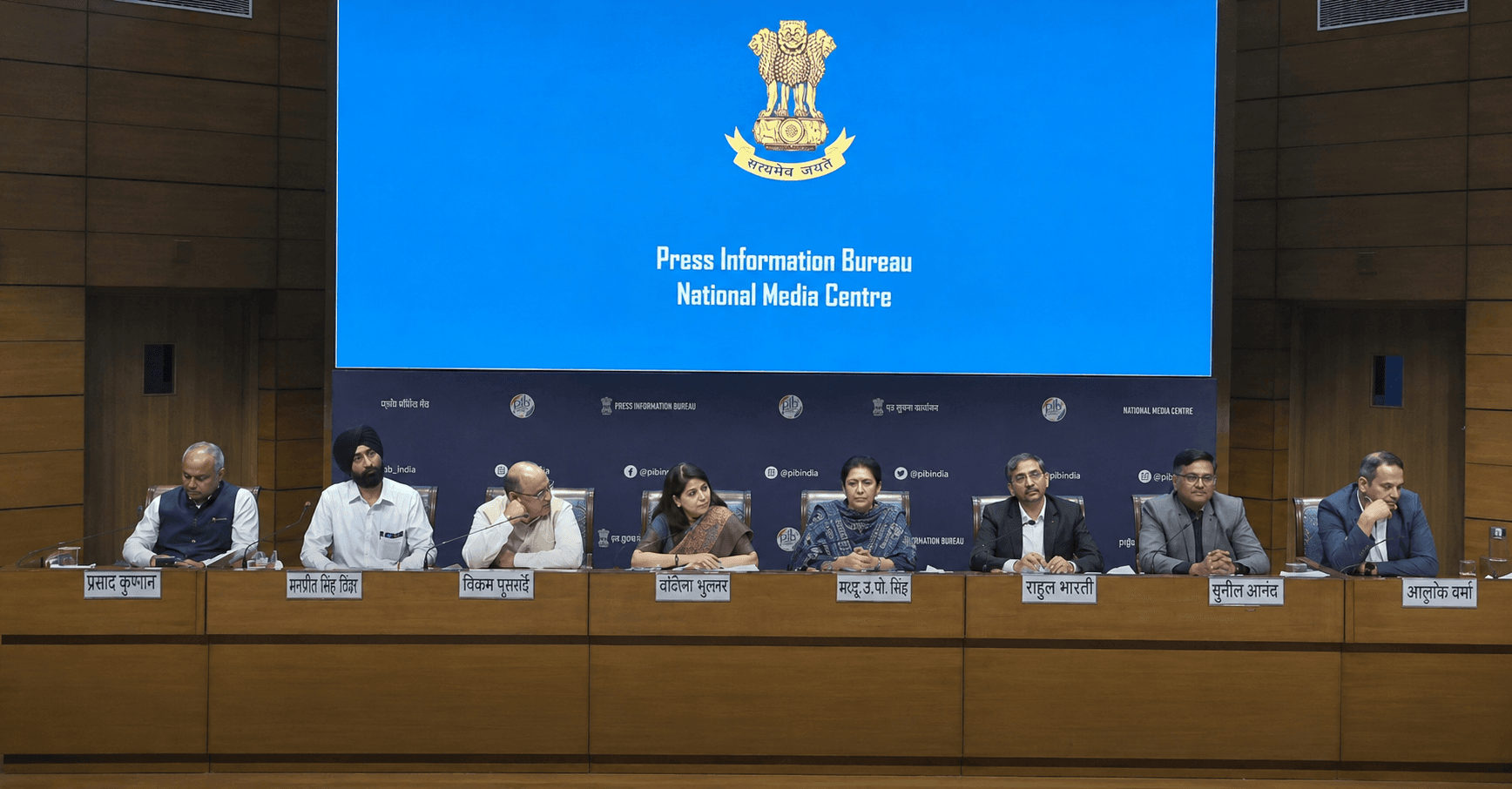
NewsThe government has issued a detailed 10-point clarification on E20 petrol to address growing concerns over fuel efficiency, engine compatibility, maintenance costs, and long-term reliability. While the explanation answers several common questions, many motorists and industry experts believe important issues still lack clear and conclusive answers. Here's a closer look at what the government said—and the questions that continue to fuel the debate.