Did you know?
Airbags inflate in about 25 milliseconds — faster than you can blink.
AutoThrust India
The latest car launches, in-depth reviews, variant price updates, and expert insights from India's roads.
Did you know?
Lamborghini originally built tractors before making supercars.
Did you know?
Airbags inflate in about 25 milliseconds — faster than you can blink.
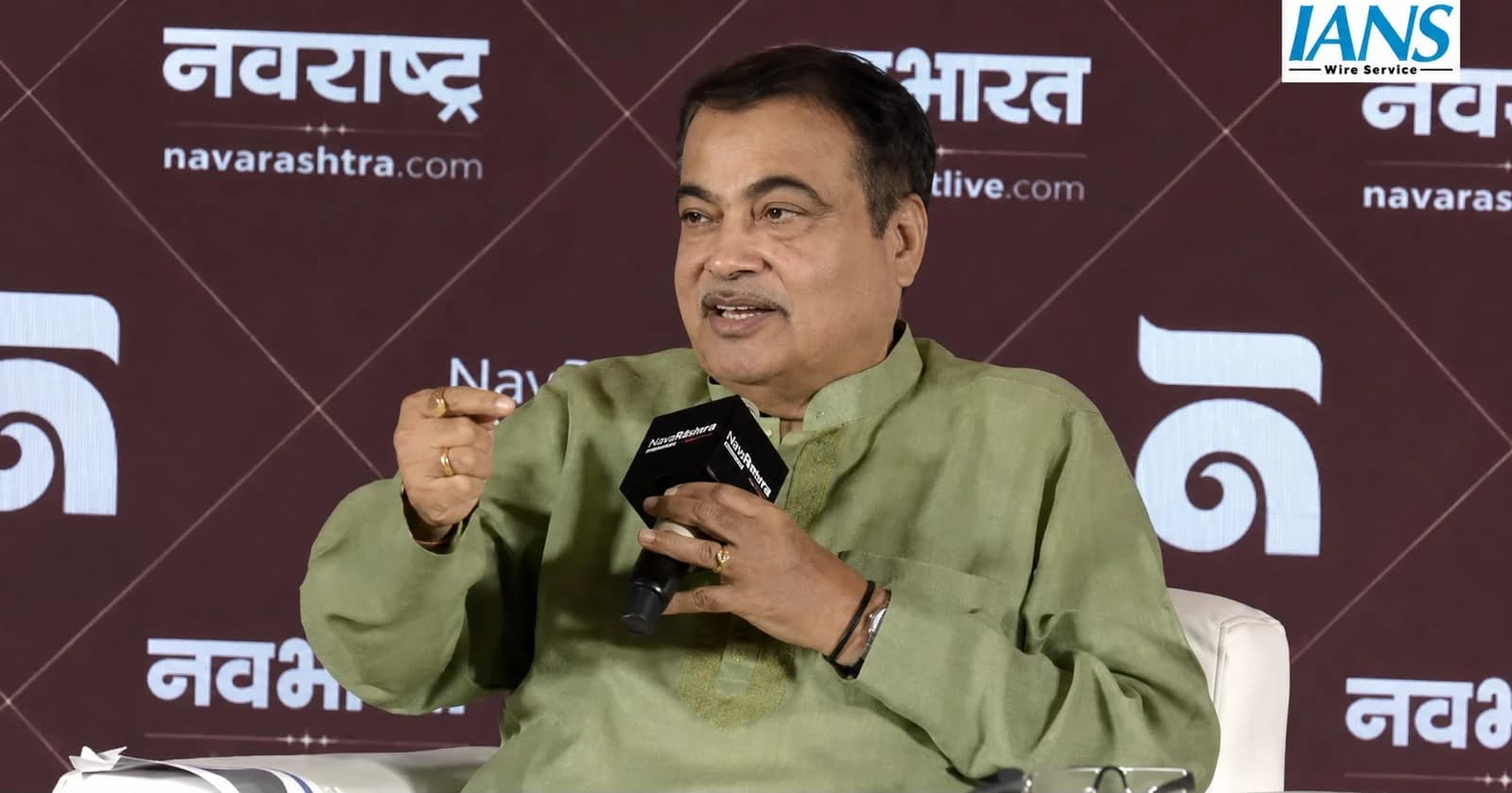
Union Minister for Road Transport and Highways, Nitin Gadkari, a staunch proponent of green energy and sustainable mobility, recently delivered a powerful rebuttal to critics of E20 fuel. In a statement that sent ripples across the automotive industry and environmental circles, Gadkari challenged detractors to "Name one car affected by E20!" This bold and unambiguous declaration not only underscores the government's unwavering confidence in its ethanol blending program but also seeks to dispel common misconceptions and fears surrounding the adoption of E20 fuel in India. As the nation gears up for a complete transition to E20 by 2025, Gadkari's words serve as a crucial assurance to consumers and a clear directive to the industry.
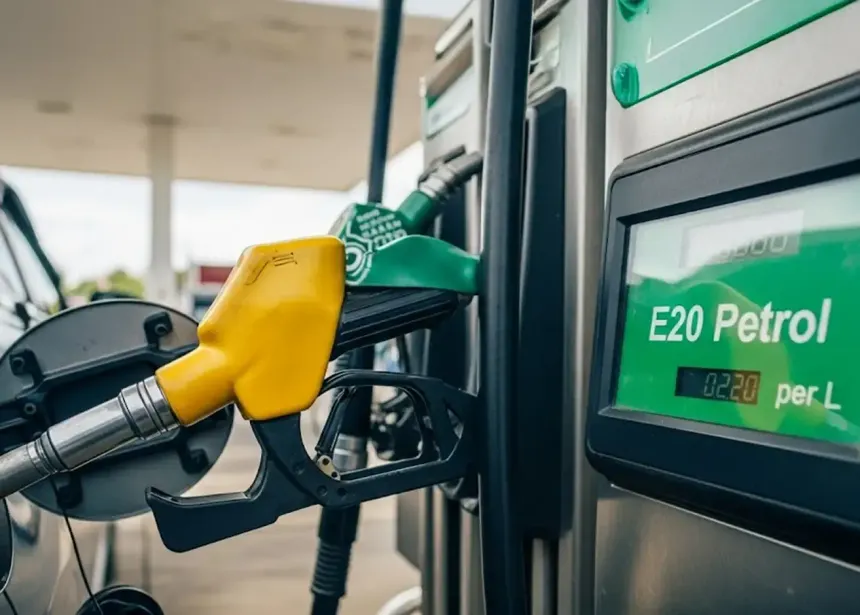
India stands at a pivotal juncture, grappling with mounting energy import bills, volatile global crude oil prices, and the urgent need to combat climate change. In response, the government has championed ethanol blending as a multi-pronged solution. The E20 program, which mandates blending 20% ethanol with petrol, is a cornerstone of this strategy, building upon the success of earlier E5 and E10 initiatives.
The vision behind E20 is multifaceted:
Energy Security: Reducing dependency on foreign oil imports, thereby saving precious foreign exchange and bolstering national energy independence. India's oil import bill soared to over $157 billion in FY23, a significant drain on the economy. Ethanol blending offers a viable pathway to mitigate this.
Environmental Sustainability: Ethanol burns cleaner than pure petrol, leading to a significant reduction in tailpipe emissions of greenhouse gases like carbon monoxide (CO), hydrocarbons (HC), and particulate matter. This contributes directly to cleaner air quality in urban centers and helps India meet its climate change commitments under the Paris Agreement.
Economic Growth (Rural Focus): Promoting ethanol production from agricultural feedstocks like sugarcane and surplus food grains provides a new revenue stream for farmers, boosts the rural economy, and supports the 'Atmanirbhar Bharat' (Self-Reliant India) initiative. It creates demand for agricultural produce and encourages investment in bio-refineries.
The government's roadmap aims for a pan-India rollout of E20 by 2025, a target that necessitates rapid infrastructure development, increased ethanol production capacity, and widespread adoption by the automotive sector.
Nitin Gadkari's direct challenge, "Name one car affected by E20," wasn't merely a rhetorical flourish. It was a calculated move to address a growing undercurrent of apprehension among a segment of vehicle owners and critics who express concerns about the potential adverse effects of higher ethanol blends on engine performance, longevity, and overall vehicle health. These concerns, often fueled by misinformation or anecdotal evidence from regions with different fuel standards, threaten to impede the smooth transition to E20.
Gadkari’s statement is rooted in the extensive research, testing, and proactive measures taken by both the government and the automotive industry. Before the E20 mandate was finalized, rigorous studies were conducted by organizations like the Automotive Research Association of India (ARAI) and various Original Equipment Manufacturers (OEMs) to assess the impact of E20 on existing and future vehicle fleets. These tests typically focus on:
Engine Durability: How E20 affects internal engine components over prolonged use.
Material Compatibility: Ensuring fuel lines, seals, and other fuel system components can withstand ethanol’s corrosive properties.
Performance Parameters: Any changes in power, torque, and fuel efficiency.
Emission Standards: Verification of compliance with environmental regulations.
The Minister's confidence stems from these findings, indicating that modern vehicles, especially those manufactured from 2023 onwards, are designed to be fully E20 compliant, with minimal to no negative impact on their operation.
To truly appreciate the significance of Gadkari's statement, it's essential to understand the technical nuances of E20 fuel.
Ethanol blending involves mixing anhydrous ethanol (nearly pure alcohol) with gasoline. In the case of E20, the blend comprises 20% ethanol and 80% gasoline by volume. Ethanol is an oxygenate, meaning it contains oxygen, which aids in more complete combustion of fuel, thereby reducing certain pollutants.
While not a "car specification," understanding the characteristics of E20 fuel itself is paramount for consumers and industry alike.
Ethanol Content: 20% (by volume) mixed with 80% petrol.
Octane Rating: Ethanol has a higher octane number than gasoline. Blending it typically results in a fuel with a higher octane rating, which can lead to better knock resistance and potentially allow for higher compression ratios in engine design for improved efficiency.
Calorific Value: Ethanol has a lower energy density (calorific value) per unit volume compared to gasoline. This theoretically means that a vehicle might consume slightly more E20 fuel to travel the same distance as it would with pure petrol or E10. However, modern engines with sophisticated Engine Control Units (ECUs) are designed to compensate for this.
Corrosive Properties: Ethanol is more corrosive than gasoline, particularly towards certain plastics, rubbers, and metals (like aluminum or magnesium alloys) not designed for alcohol exposure. This is why E20-compliant vehicles require specific, ethanol-resistant materials in their fuel delivery systems.
Water Absorption: Ethanol is hygroscopic, meaning it absorbs water from the atmosphere. This necessitates careful handling and storage to prevent phase separation (ethanol separating from gasoline due to water absorption), which can lead to fuel system issues.
Emissions Reduction:
Carbon Monoxide (CO): Up to 15-20% reduction compared to E0 (pure petrol).
Hydrocarbons (HC): Up to 15-20% reduction.
Nitrogen Oxides (NOx): Impact can vary, often a slight increase, but overall beneficial effect on air quality due to reduction in other harmful pollutants.
Particulate Matter (PM): Reduced due to more complete combustion.
The Indian automotive industry has responded proactively to the government's E20 mandate. Major manufacturers, including Maruti Suzuki, Tata Motors, Mahindra, Hyundai, Honda, Toyota, and others, have been rolling out E20-compatible models since early 2023. This compatibility extends to both petrol and flex-fuel vehicles.
E20 compatibility isn't just about pouring the fuel into the tank. It involves several key modifications and design considerations:
Fuel System Materials: Components like fuel tanks, fuel lines, O-rings, seals, and fuel pumps are made from ethanol-resistant materials (e.g., specific grades of plastic, rubber, and alloys) that prevent corrosion or degradation.
Engine Management System (EMS): The ECU is recalibrated to adjust fuel injection timing, air-fuel ratio, and ignition timing to optimize combustion for the E20 blend. This compensation minimizes any potential loss in power or fuel efficiency due to ethanol's lower calorific value.
Oxygen Sensors: These sensors are crucial for monitoring exhaust gases and providing feedback to the ECU, ensuring optimal combustion for the E20 blend.
Fuel Injectors: Designed to handle potentially higher flow rates or different spray patterns if necessary for E20.
Many new cars launching in India are already E20-compliant from the factory, and manufacturers prominently label them as such. For instance, Maruti Suzuki has stated that its entire range is now E20-compliant. Tata Motors and Mahindra have also made significant strides in this direction across their petrol lineups.
This is perhaps the most pressing question for millions of Indian vehicle owners.
Most petrol vehicles manufactured and sold in India from early 2023 onwards are inherently designed to run on E20 fuel without any modifications. Manufacturers have updated their production lines and component sourcing to ensure E20 compatibility. If you've bought a new petrol car recently, chances are it's E20-ready. Always check your owner's manual or consult with your dealership for confirmation.
This is where the debate and concerns often arise. Vehicles manufactured before the E20 mandate might not have components specifically designed for 20% ethanol exposure.
Risks for Non-Compliant Vehicles:
Material Degradation: Older fuel lines, seals, and gaskets made of non-compatible rubber or plastic materials could corrode, swell, or become brittle over time, leading to fuel leaks.
Fuel System Clogging: Ethanol can act as a solvent, loosening deposits in older fuel tanks and lines, which could then clog fuel filters or injectors.
Engine Damage: While rare with moderate ethanol blends, prolonged use of E20 in non-compliant engines could, in extreme cases, lead to accelerated wear of certain engine parts due to altered lubrication properties or corrosive effects.
Performance Issues: Non-calibrated ECUs might not properly compensate for the lower calorific value, potentially leading to slight reductions in power, rough idling, or reduced fuel efficiency.
What are the Options?
Continue using E10/E5: Where available, owners of older non-compliant vehicles might choose to stick to lower ethanol blends. However, as E20 becomes the primary fuel, this option will diminish.
Retrofit Kits: Globally, some solutions exist for converting older vehicles to higher ethanol blends. However, in India, widely available and government-approved retrofit kits specifically for E20 for a broad range of older vehicles are still under development or not widely commercialized. Any retrofit would need to be certified and installed by authorized professionals to ensure safety and compliance.
Flex-Fuel Vehicles (FFVs): While E20 is a stepping stone, the ultimate goal includes Flex-Fuel Vehicles (FFVs) that can run on any blend of petrol and ethanol up to E85 (85% ethanol). India is actively promoting FFVs, which offer complete flexibility to consumers.
It's important to note that many vehicles designed for E10 (10% ethanol) might handle E20 with minimal immediate issues, but long-term effects are the primary concern for non-compliant models. Gadkari's challenge primarily refers to the lack of widespread, proven adverse effects on modern, or E10-compatible vehicles, under normal operating conditions.
The transition from E5 (5% ethanol) and E10 (10% ethanol) to E20 (20% ethanol) represents a significant jump in ethanol content.
E5/E10: These blends have been commonplace in India for several years. Most vehicles manufactured in the last decade are generally compatible with E10. The impact on performance and engine longevity is largely negligible.
E20: While offering greater environmental and economic benefits, E20 demands more robust material compatibility and sophisticated engine management systems to ensure seamless operation. The leap from E10 to E20, specifically, is where potential compatibility issues for older non-compliant vehicles become more pronounced. However, for vehicles designed for E20, the difference from E10 is managed internally by the vehicle's systems.
The push for E20 is deeply intertwined with economic considerations.
Fuel Costs: Globally, ethanol is often cheaper than petrol to produce, especially when derived from abundant agricultural resources. This cost differential has the potential to make E20 fuel marginally cheaper at the pump compared to pure petrol. While the exact pricing strategy is determined by oil marketing companies and government subsidies, the long-term trend could see E20 as a more economical choice for consumers.
Reduced Import Bill: The primary economic benefit for the nation is the substantial reduction in crude oil imports. Each percentage point increase in ethanol blending translates to billions of dollars saved annually, strengthening India's macroeconomic stability and reducing its vulnerability to geopolitical oil price shocks.
Boost to Agricultural Sector: The expanded demand for ethanol feedstock (sugarcane, maize, rice, bajra, etc.) provides a guaranteed market and better prices for farmers. This diversification helps stabilize agricultural incomes and reduces dependence on traditional food crops, indirectly fostering rural prosperity. The ethanol industry is projected to attract significant investments in bio-refineries, creating jobs and boosting rural infrastructure.
For E20-compliant vehicles, the impact on engine performance and fuel efficiency is designed to be minimal and often imperceptible to the average driver.
Power Output: Modern E20-compliant engines with optimized ECUs are capable of delivering virtually identical power and torque figures as when running on E10 or pure petrol. Any slight theoretical drop in power due to lower energy density is compensated for by the higher octane rating and precise engine management.
Fuel Efficiency: While ethanol has a lower calorific value, the sophisticated engine management systems in E20-compliant vehicles adjust fuel delivery to maintain combustion efficiency. Real-world tests often show only a marginal (typically 1-3%) decrease in fuel efficiency. For example, ARAI tests indicated a minor drop, which is considered acceptable given the environmental benefits. This effect is often less noticeable than variations caused by driving style, traffic conditions, or tire pressure.
Long-term Durability: The use of ethanol-resistant materials throughout the fuel system and optimized engine lubrication ensures that the long-term durability of E20-compliant vehicles remains unaffected. Manufacturers warranty these vehicles for E20 use, reflecting their confidence.
India's ethanol blending program is not just a short-term fix but a long-term strategic shift.
Target Dates: The government aims for a full pan-India E20 rollout by 2025. This aggressive timeline requires concerted efforts from all stakeholders.
Infrastructure Development: Expanding the network of E20 dispensing stations across the country is crucial. Public sector oil marketing companies (OMCs) are actively upgrading their retail outlets to dispense E20 fuel. Simultaneously, investments are being made in increasing ethanol production capacity through new distilleries and advanced bio-refineries.
Policy Support: The government continues to provide policy support, including price fixation for ethanol, interest subvention schemes for setting up distilleries, and promoting diversified feedstock options. The emphasis is also on encouraging the adoption of Flex-Fuel Vehicles (FFVs) that can run on a wider range of ethanol-petrol blends, ultimately offering greater flexibility and sustainability. Gadkari himself has been a strong advocate for FFVs, seeing them as the next logical step.
Gadkari's pointed question directly confronts the common anxieties and myths surrounding E20. Let's address some of these:
Myth 1: E20 will ruin my engine.
Fact: For E20-compliant vehicles, this is demonstrably false. Manufacturers have designed and tested engines to run on E20 without detrimental effects. For older, non-compliant vehicles, while there are potential risks, severe immediate damage is unlikely with occasional use, but long-term cumulative effects are the concern.
Myth 2: My car's mileage will drop significantly.
Fact: E20-compliant vehicles experience a very marginal drop (1-3%) in fuel efficiency, often offset by driving conditions or driving habits. Modern ECUs optimize combustion to minimize this impact.
Myth 3: E20 is difficult to store and will cause problems.
Fact: While ethanol is hygroscopic, fuel distribution networks and retail outlets are equipped with appropriate storage and handling protocols to ensure fuel quality. Consumers simply fill up their tanks as usual.
Myth 4: Ethanol production diverts food grains away from human consumption.
Fact: India's policy prioritizes using surplus food grains, damaged grains, and non-food feedstocks like sugarcane bagasse for ethanol production, ensuring food security remains paramount.
E20 fuel is a blend of 20% ethanol and 80% gasoline. It's part of India's strategy to reduce oil imports, lower emissions, and promote sustainable energy sources, leveraging agricultural produce.
 News
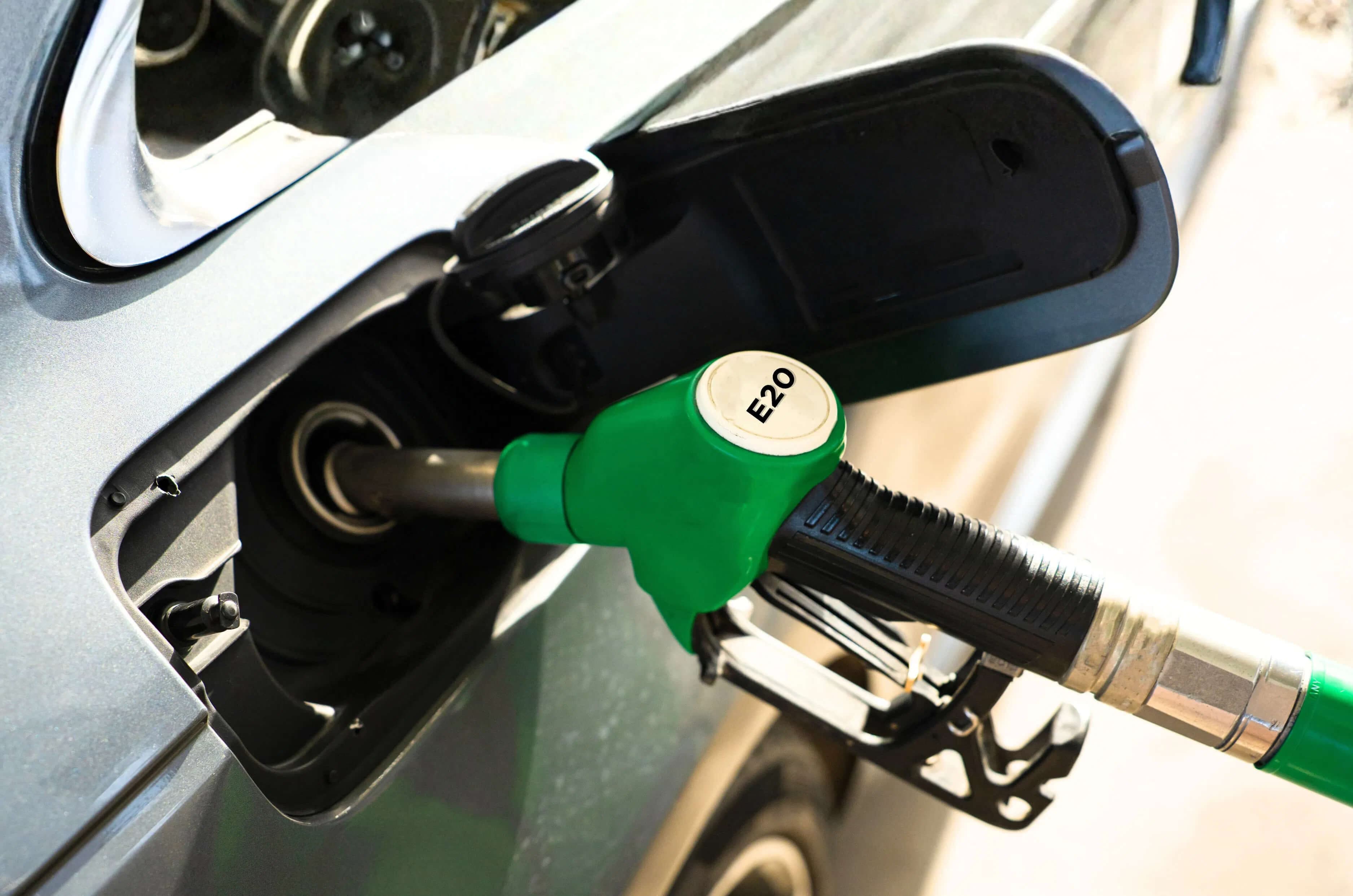
NewsA silent crisis is brewing in India's fuel stations. Excessive chloride and moisture in E20 petrol are destroying high-tech fuel systems, leaving buyers with massive repair bills.
 News
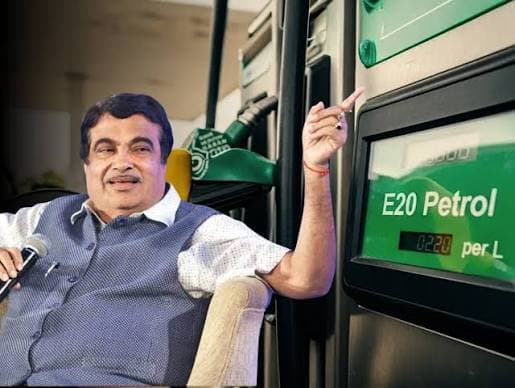
NewsUnion Minister Nitin Gadkari has fiercely defended India's E20 ethanol blending mandate, calling criticism 'sponsored propaganda,' even as vehicle owners worry about fuel efficiency and engine longevity. We break down the government's stance and what this standard fuel means for your daily drive and long-term car care.
For E20-compliant vehicles (most new models from 2023), the impact is minimal. Engines are designed for it, and any minor mileage change is often imperceptible, compensated by modern ECUs.
Check your vehicle's owner's manual or consult your dealership. Most new petrol cars sold in India since early 2023 are E20-ready, often indicated by a label on the fuel cap or manual.
The Indian government aims for a complete pan-India rollout of E20 fuel by 2025. Availability is progressively increasing as oil marketing companies upgrade their dispensing stations.