Did you know?
The fuel in your tank is technically prehistoric — fossil fuel, after all.
AutoThrust India
The latest car launches, in-depth reviews, variant price updates, and expert insights from India's roads.
Did you know?
The Porsche 911 has kept its rear-engine layout for over 60 years.
Did you know?
The fuel in your tank is technically prehistoric — fossil fuel, after all.

The Indian automotive landscape is currently undergoing one of its most aggressive transition phases, driven by the government's ambitious mandate to roll out E20 petrol (a blend of 20% ethanol and 80% fossil fuel) nationwide. While this move aims to curb carbon emissions and reduce India's massive crude oil import bill, it has triggered a wave of apprehension among luxury car owners.
Mercedes-Benz India, the country’s leading luxury car manufacturer, has officially voiced concerns regarding this transition. According to senior executives, the company has witnessed a sharp spike in customer queries and technical complaints related to fuel quality. Customers are experiencing high levels of anxiety, fearing that E20 ethanol-blended petrol is actively damaging their high-performance luxury vehicles. However, Mercedes-Benz India has pointed out a critical, overlooked nuance: suspected fuel adulteration at retail outlets is compounding customer anxiety, with standard fuel quality failures often being misattributed to the ethanol blending process itself.
To understand the gravity of the situation, it is essential to distinguish between E20 ethanol compatibility and the devastating impact of adulterated fuel. Modern luxury cars, including the entire current line-up from Mercedes-Benz India, are engineered to comply with BS6 Phase 2 emission standards and are fully certified to run on E20 petrol.
However, the introduction of ethanol has created a convenient scapegoat for an age-old issue in the Indian fuel supply chain: adulteration. When fuel stations dilute petrol with cheap industrial solvents, low-grade hydrocarbons, or water, the chemical composition of the fuel changes drastically. Because the rollout of E20 fuel has been highly publicized, customers facing engine issues, sudden drops in fuel economy, or sensor errors immediately assume that the ethanol content is to blame. Mercedes-Benz’s internal investigations have shown that many of these failure cases are actually linked directly to fuel contamination and adulteration, rather than the certified E20 fuel itself.

Ethanol is an alcohol, which makes it inherently hygroscopic. This means it has a natural tendency to absorb water from the surrounding atmosphere. In a clean, tightly controlled supply chain, ethanol-blended fuel performs reliably. However, when fuel is adulterated or stored in sub-optimal, water-contaminated underground tanks at retail outlets, the situation deteriorates rapidly.
When water enters a fuel tank containing ethanol-blended petrol, the water binds with the ethanol and separates from the petrol. This chemical phenomenon is known as phase separation. The heavy water-ethanol mixture sinks to the bottom of the fuel tank, precisely where the vehicle's fuel pump draws fuel. When this highly corrosive, non-combustible mixture is pumped directly into a luxury car's engine, it leads to severe mechanical issues, fuel system corrosion, and immediate engine stalling.
To highlight how fuel adulteration changes the parameters of petrol, consider the following technical breakdown of fuel standards:
Octane Rating (RON): Standard premium petrol in India is rated at 91 to 95 RON. High-performance luxury vehicles are optimized for 95 RON or higher. Adulteration with solvents drops the octane rating significantly, leading to pre-ignition or "engine knocking."
Ethanol Content: Officially capped at 10% (E10) or 20% (E20). Adulterated fuels can show erratic chemical behavior, which alters the targeted air-fuel ratio calculated by the Engine Control Unit (ECU).
Moisture Tolerance: Pure petrol can hold almost no water. E20 fuel can hold a small amount of dissolved moisture, but any excess moisture triggers instant phase separation, destroying fuel pump internals.
Sulfur and Solvent Contaminants: Adulterants often introduce high concentrations of sulfur and heavy chemical solvents that corrode fuel lines, clog microscopic injector nozzles, and prematurely degrade expensive catalytic converters.
Mercedes-Benz vehicles utilize highly sophisticated, direct-injection turbocharged petrol engines (such as the M254 and M256 mild-hybrid powerplants). These engines operate under extremely high pressures and tight tolerances to deliver class-leading efficiency, power, and low emissions.
Fuel Injector Damage: Modern direct-injection injectors operate at pressures exceeding 200 bar, with spray nozzles that are micro-drilled to fractional millimeter sizes. Adulteration-induced sediment and sticky chemical residues clog these nozzles, leading to poor fuel atomization, cylinder misfires, and uneven power delivery.
High-Pressure Fuel Pump (HPFP) Failure: The HPFP in a Mercedes-Benz relies on the fuel itself for lubrication. Adulterated fuels containing non-lubricating solvents or water-ethanol mixtures cause rapid mechanical wear, leading to complete pump failure. Replacing a high-pressure fuel pump is an expensive repair.
Sensors and Exhaust Aftertreatment: Modern luxury cars are packed with oxygen sensors, exhaust gas temperature sensors, and complex catalytic converters. Contaminated fuel produces highly acidic exhaust gases that coat these sensors with carbon deposits, triggering immediate "Check Engine" dashboard lights and forcing the car into limp-home mode.
When a luxury vehicle suffers from fuel-related issues, the financial implications are staggering. Unlike standard budget vehicles, the component costs in luxury segments are exceptionally premium.
Fuel System Overhaul Cost: A complete fuel system replacement (including the high-pressure pump, low-pressure tank pump, set of fuel injectors, fuel lines, and tank cleaning) can cost anywhere between INR 2,00,000 and INR 5,00,000 depending on the model (e.g., Mercedes-Benz C-Class vs. S-Class).
Warranty Limitations: It is a standard industry practice across all automotive brands, including Mercedes-Benz, that damages caused by fuel adulteration or external fuel contamination are not covered under the manufacturer's standard or extended warranty. When fuel analysis reports reveal high levels of solvents, water, or unauthorized chemical additives, the repair costs must be borne entirely by the vehicle owner or claimed through specific high-tier auto insurance add-ons.
To mitigate the risk of refueling with adulterated petrol and to prevent costly out-of-pocket repairs, Mercedes-Benz India and automotive experts recommend several vital precautions for luxury car owners:
Stick to Reputable Stations: Avoid refueling at remote, unbranded, or low-volume fuel stations. Prioritize high-volume, state-owned retail pumps located in major urban centers.
Look for COCO Pumps: Company-Owned, Company-Operated (COCO) outlets managed directly by oil marketing giants like IOCL, BPCL, and HPCL maintain the highest quality standards and have stringent checks against fuel tampering.
Avoid Refueling During Fuel Delivery: If you see a fuel tanker actively replenishing the underground storage tanks at a petrol pump, do not refuel. The process of filling the underground tanks stirs up settled sediment, water, and contaminants, which can easily find their way into your car's fuel tank.
Keep All Fuel Receipts: Always collect and save printed tax invoices for fuel purchases. In the unfortunate event of engine damage due to bad fuel, a documented history of fuel purchases is critical for raising claims with insurance companies or fuel retailers.
Mercedes-Benz India's decision to flag fuel adulteration concerns during the national E20 rollout highlights a major challenge in India's green energy transition. The manufacturer's data confirms that their modern engines are technically ready for E20 ethanol-blended fuel; however, the retail fuel supply chain is not yet foolproof.
As long as adulteration and poor storage practices persist at retail pumps, premium vehicle owners will continue to face unwarranted anxiety and costly repairs. It is imperative that oil marketing companies and government regulatory bodies implement rigorous, automated quality control audits at fuel pumps across India to ensure that the transition to sustainable biofuels does not come at the expense of vehicle reliability and consumer confidence.
Yes, all modern BS6 Phase 2 compliant Mercedes-Benz vehicles sold in India are engineered and certified to run smoothly on E20 ethanol-blended petrol.
 News
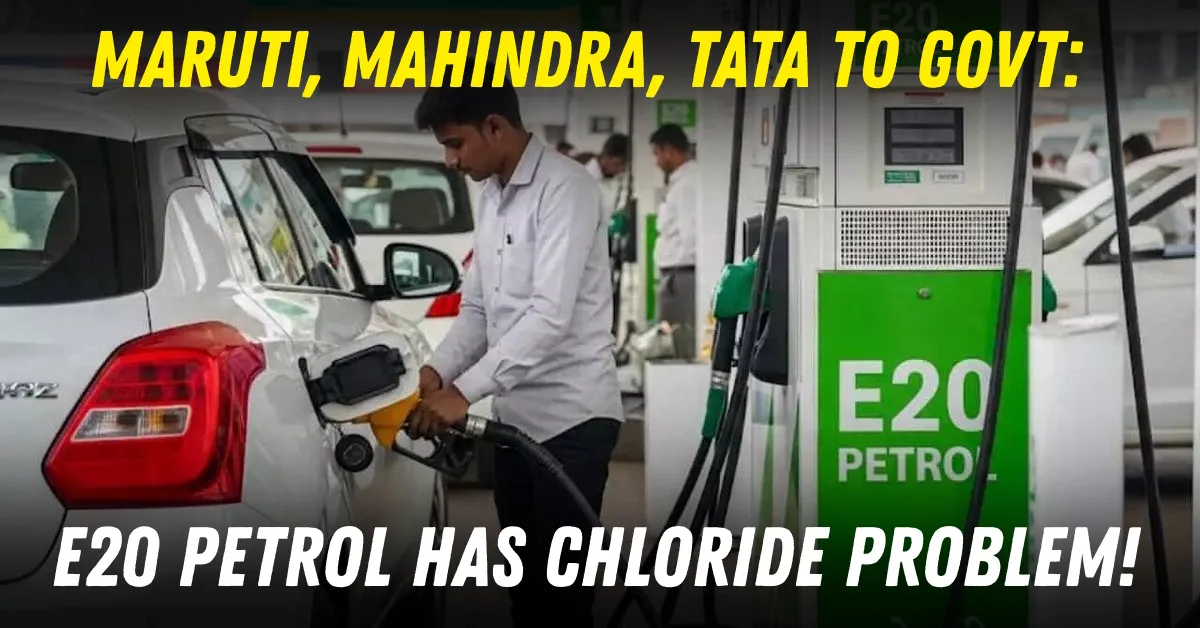
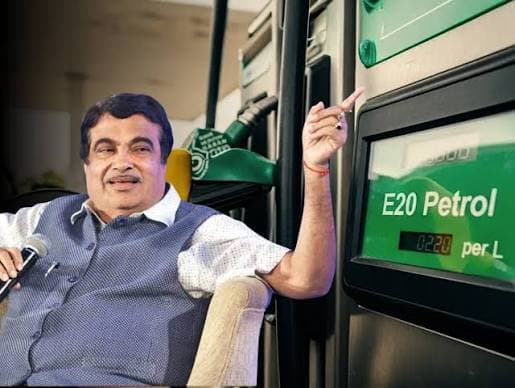
NewsA silent crisis is brewing in India's fuel stations. Excessive chloride and moisture in E20 petrol are destroying high-tech fuel systems, leaving buyers with massive repair bills.
 News
NewsThe government has acknowledged that E20 petrol costs more to produce than regular petrol due to the additional expense of ethanol blending. Here's why it is more expensive, what the government says, and what it could mean for consumers
Adulterated petrol contains industrial solvents or moisture, which lowers octane ratings and triggers phase separation in ethanol blends, leading to corroded fuel pumps and clogged injectors.
No, standard and extended warranties do not cover mechanical failures or fuel system damages caused by fuel adulteration or water contamination.
Refuel exclusively at reputable, high-volume fuel stations or Company-Owned Company-Operated (COCO) pumps, and avoid filling up while a tanker is refilling the station's tanks.