Did you know?
The world's longest traffic jam stretched over 100 km in China in 2010.
AutoThrust India
The latest car launches, in-depth reviews, variant price updates, and expert insights from India's roads.
Did you know?
The Porsche 911 has kept its rear-engine layout for over 60 years.
Did you know?
The world's longest traffic jam stretched over 100 km in China in 2010.

As India marches aggressively towards its ambitious biofuel mandates, a massive question mark has loomed over the heads of millions of internal combustion engine (ICE) vehicle owners: Can our existing cars be upgraded to run on higher ethanol blends like E30?
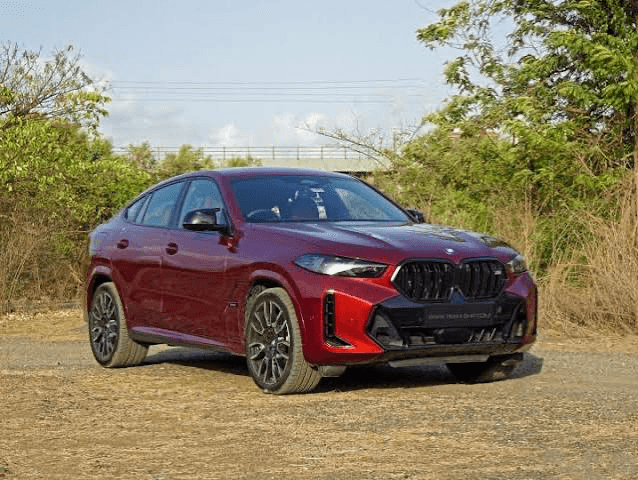
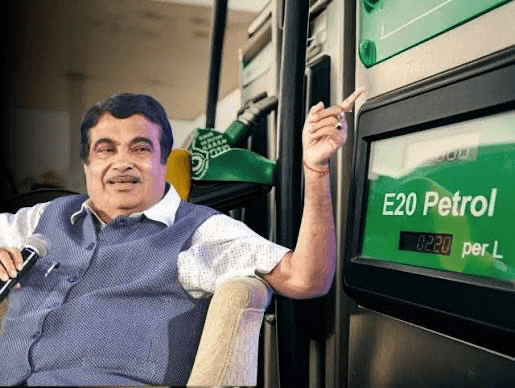
At a recent industry forum, Vikram Pawah, President and CEO of BMW Group India, put an end to all speculation. In a blunt and clear statement, Pawah confirmed that existing petrol cars simply cannot be retrofitted or modified to become E30-compliant. This statement has sent shockwaves through the Indian automotive landscape, forcing both consumers and policymakers to face the hard realities of the rapid transition to high-ethanol fuels.
Here is a comprehensive, deep-dive analysis into why your current car cannot be made E30-ready, the chemistry behind ethanol blending, and what this means for the future of car ownership in India.
Speaking on the sidelines of a high-profile industry event, Vikram Pawah addressed the ongoing debate surrounding fuel flexibility in India. When asked about the feasibility of upgrading current-generation premium vehicles to accept E30 (30% ethanol blended with 70% petrol) fuel, his response was unequivocal. He stated that the engineering changes required to handle E30 are so fundamental to the engine’s architecture that retrofitting older vehicles is practically impossible.
"You cannot make a current car E30-ready," Pawah stated plainly. He highlighted that while manufacturers are working on making future powertrains compliant with higher ethanol blends, existing vehicle parcs will have to rely on older fuel formulations or face accelerated wear and tear if forced to run on high-ethanol blends.
To understand why a simple software remap or minor component swap cannot make your car E30-ready, we must look at the physical and chemical properties of ethanol. Ethanol is an alcohol-based fuel that behaves very differently from pure hydrocarbons (petrol).
Ethanol is highly corrosive to metals like aluminum, brass, and copper, which are commonly used in older fuel systems. Furthermore, it aggressively degrades rubber hoses, plastic gaskets, seals, and fuel tank linings. Vehicles engineered for E10 or E20 use specific synthetic elastomers and coated metals that can resist this degradation. Retrofitting an older car would require stripping out the entire fuel delivery system—from the fuel tank to the fuel lines, injectors, and fuel pumps—and replacing them with expensive, chemically resistant alternatives.
Ethanol is hygroscopic, meaning it actively absorbs moisture from the air. When water mixes with ethanol inside a fuel tank, it undergoes a process called phase separation. The water-ethanol mixture sinks to the bottom of the tank, where it can be sucked into the engine. This leads to severe rust inside the fuel tank, clogged fuel filters, and catastrophic engine misfires.
Ethanol has a lower energy density than pure petrol. The stoichiometric air-fuel ratio (the exact ratio of air to fuel needed for complete combustion) for pure petrol is around 14.7:1. For E30, this ratio drops significantly. Running E30 in an engine designed for E10 or E20 causes the engine to run "lean" (too much air, too little fuel). This results in:
Increased combustion chamber temperatures which can melt spark plugs and damage exhaust valves.
Severe engine knocking (pre-ignition) which can crack pistons and bend connecting rods.
A significant loss in fuel economy (often ranging from 10% to 15%).
To illustrate the massive leap in engineering required between current standards and E30, consider the following technical specification breakdown:
Fuel Pump Pressure Requirements: Standard E10/E20 fuel systems operate at lower pressures. E30 requires high-pressure direct injection systems designed to handle the lower lubricity of alcohol-based fuels.
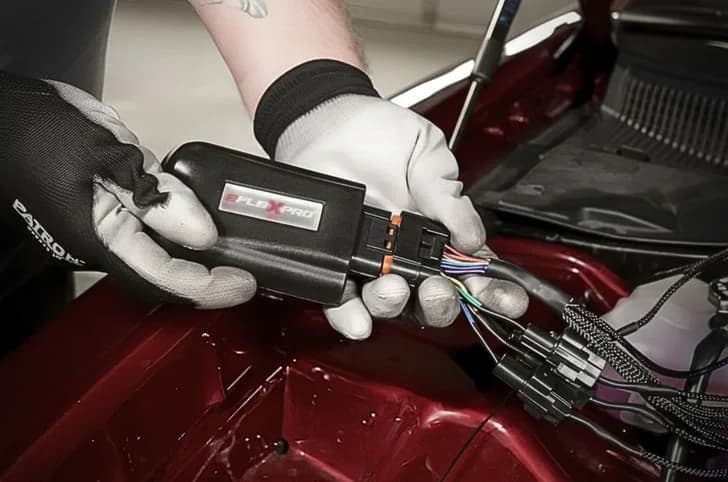
Engine Control Unit (ECU) Calibration: E30-compliant vehicles require advanced, closed-loop ECU mapping with dedicated fuel composition sensors to dynamically adjust ignition timing and injector pulse widths.
Valve Seat Hardening: Due to the dry, hot combustion properties of ethanol, engine cylinder heads must feature specially hardened intake and exhaust valve seats to prevent premature valve recession.
Piston Ring and Cylinder Liner Coatings: Advanced carbon-based coatings are necessary to prevent cylinder wall wash, as ethanol can wash away the protective oil film on cylinder walls, leading to rapid engine wear.
Even if a specialized aftermarket tuner attempted to convert a modern premium car like a BMW 3 Series or 5 Series to be E30-ready, the financial implications are staggering.
Replacing the fuel tank, high-pressure fuel pumps, injectors, fuel lines, sensors, catalytic converter, and upgrading the ECU software would cost upwards of INR 3 lakh to 5 lakh per vehicle. For premium luxury cars, the cost could easily double due to proprietary electronic architectures. No manufacturer would extend warranty coverage to such aftermarket modifications, leaving car owners highly vulnerable to mechanical failures.
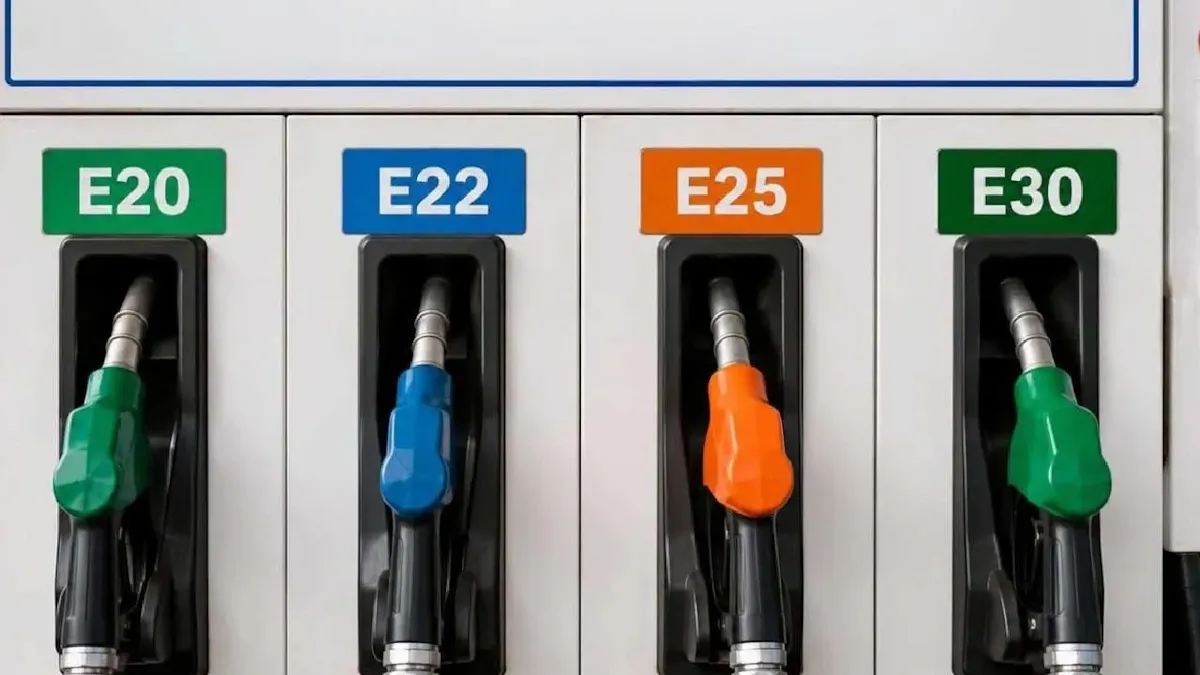
Fuel Type Ethanol Content Standard Vehicle Compatibility Required Engine Changes Key Risks to Non-Compliant Engines E10 10%Almost all cars post-2010None (standard industry norm)Minimal risk E20 20%Cars manufactured post-April 2023Minor seal upgrades, ECU tuning Accelerated rubber degradation, mild knocking E30 30%Future models only (under development)Complete overhaul of fuel system, hardened valves Severe corrosion, phase separation, engine seizure.
This blunt admission from BMW India’s CEO highlights a growing dilemma for Indian motorists. The Indian government is pushing for E20 fuel availability nationwide by 2025, with discussions already underway to introduce E30 and eventually E85 (flex-fuel) options.
If you own a petrol car purchased before April 2023 (when BS6 Phase 2 norms made E20 compliance mandatory), your car is likely rated only for E10 fuel. While running E20 might cause gradual wear over several years, running E30 will lead to almost immediate engine damage.
As higher blends roll out across public fuel pumps, the availability of lower-blend petrol (like E10) will likely diminish, potentially stranding older vehicles or forcing owners to purchase premium, expensive, additive-treated fuels to protect their engines.
Vikram Pawah’s candid statements serve as an essential reality check. As India races towards carbon neutrality, the transition of its massive vehicle parc cannot be treated as a simple software patch. The physical laws of chemistry and mechanical engineering dictate that existing petrol cars will remain incompatible with E30 fuel forever.
If you are currently in the market for a new car, ensuring E20 compatibility is the bare minimum. For those looking to future-proof their garage against aggressive ethanol blending roadmaps, looking seriously at strong hybrids (HEVs) or battery electric vehicles (BEVs) is fast becoming the most logical option.
 News
NewsBMW has taken a commanding lead in the premium electric car segment, selling more than twice as many EVs as Mercedes-Benz. Here's a look at the latest sales figures, what's driving BMW's success, and how the luxury EV market is evolving.
 News
NewsMercedes-Benz India has flagged growing customer anxiety over E20 fuel, warning that rampant fuel adulteration at pumps is being falsely blamed for ethanol-blend issues.
 News
NewsBMW has officially revealed the all-new fifth-generation X5, offering the widest range of powertrains in its history. Buyers can choose from petrol, fully electric, plug-in hybrid, and hydrogen-powered versions, highlighting BMW's multi-energy approach while retaining the X5's signature luxury, technology, and performance