Did you know?
Electric cars are not new — they outsold petrol cars in the early 1900s.
AutoThrust India
The latest car launches, in-depth reviews, variant price updates, and expert insights from India's roads.
Did you know?
Electric cars are not new — they outsold petrol cars in the early 1900s.
Did you know?
Electric cars are not new — they outsold petrol cars in the early 1900s.
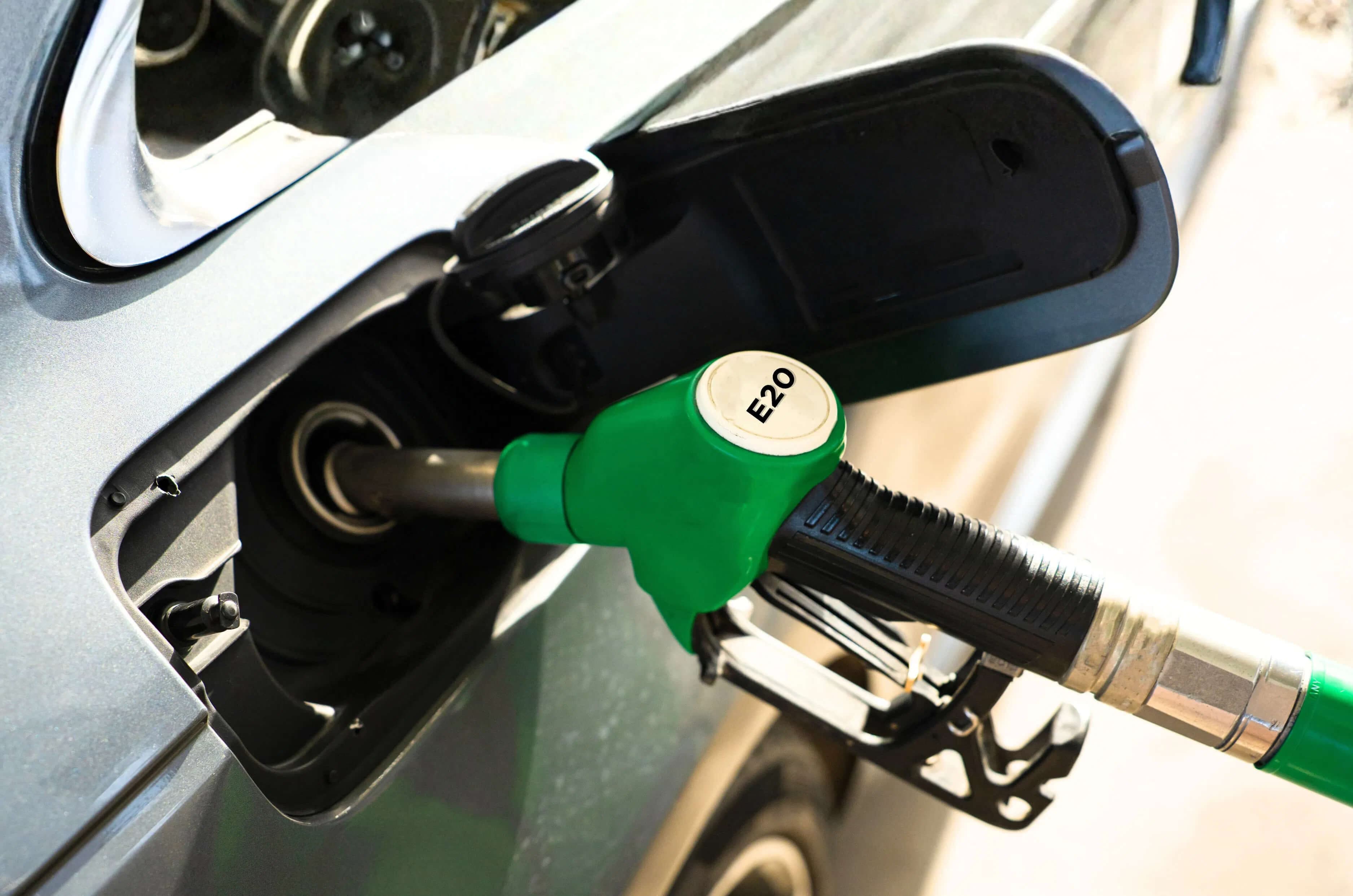
Imagine buying a brand-new Rs 15 lakh turbo-petrol SUV, driving it with absolute care, servicing it on time, only to have your fuel injectors fail before the odometer even hits 20,000 km. You roll into the workshop, expecting a quick warranty fix, but the service advisor hands you a massive repair bill instead. The culprit? It is not a manufacturing defect. It is fuel contamination. Specifically, your engine has been drinking an acidic cocktail of chloride and water, courtesy of the shiny new E20 petrol pump down the street.
This is not a hypothetical nightmare. It is happening across India right now. A silent crisis is brewing under the hoods of Indian cars as E20 fuel contamination levels spike, causing catastrophic failures in fuel systems and exhaust components. Auto manufacturers are quietly reporting a surge in warranty claims for corroded fuel injectors and ruined fuel pumps.
At AutoThrust India, we have been tracking this closely. While the government's push for 20% ethanol blending (E20) is great on paper for reducing oil imports, the ground reality of our fuel delivery infrastructure is failing our engines. Here is the dirty truth of what is flowing into your tank, and how you can protect your car.
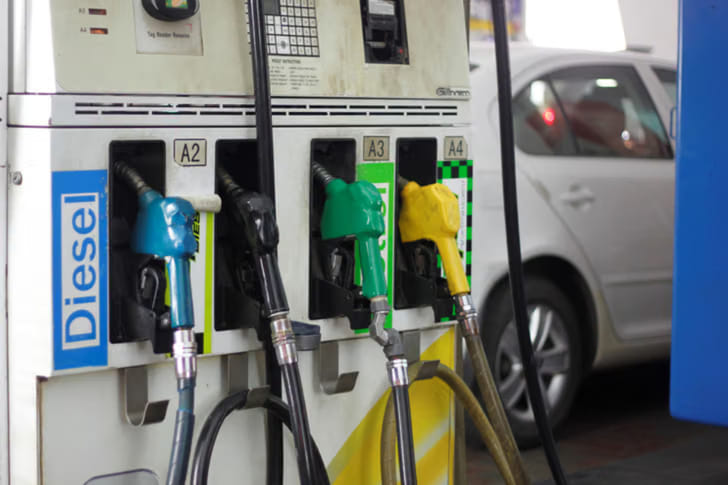
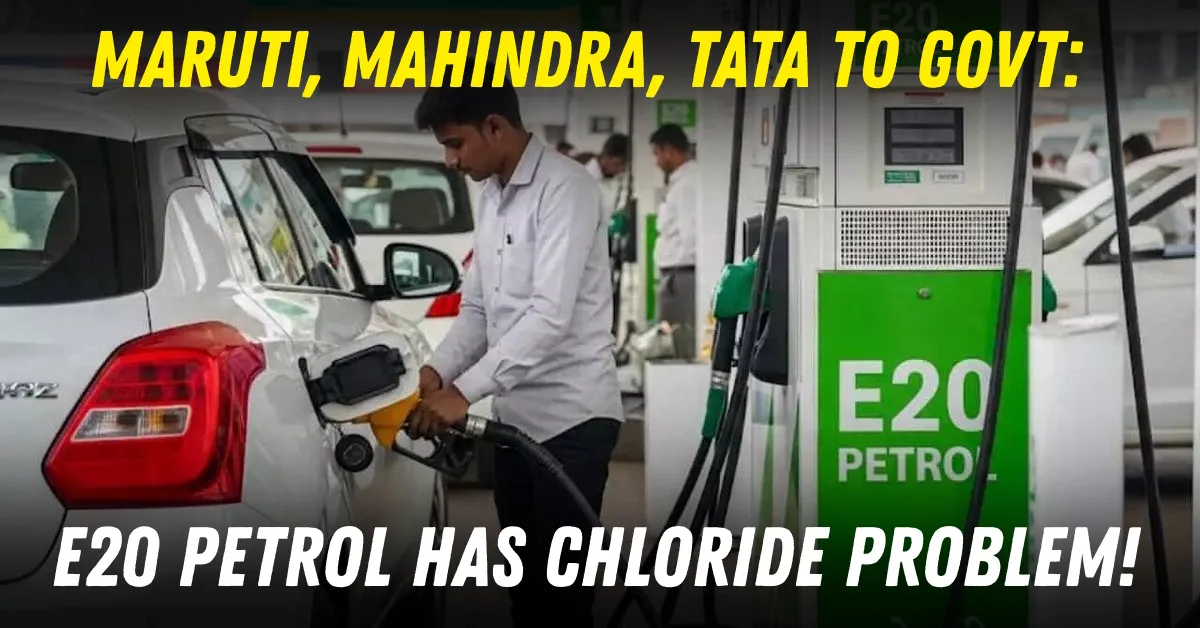
According to industry findings recently shared with the Ministry of Petroleum and Natural Gas, automakers have recorded a massive spike in the replacement of fuel injectors, high-pressure fuel pumps, and other crucial parts that come into direct contact with E20 petrol. Field investigations have pointed to one clear villain: excessive chloride contamination combined with moisture.
When chloride mixes with water, it does not just sit there. It forms a highly acidic mixture. This acid eats away at the precision-engineered, microscopic nozzles of modern fuel injectors and the internal components of fuel pumps. Over a short period, this leads to severe corrosion, fuel leaks, loss of pressure, and ultimately, total component failure.
To make matters worse, ethanol is highly hygroscopic. In plain English, it acts like a sponge, pulling moisture out of the air. When the water content in E20 petrol gets too high, a phenomenon called "phase separation" occurs. The water and ethanol bind together, become heavier than the petrol, and settle as a thick sludge at the very bottom of your fuel tank. When you start your car, the fuel pump draws this corrosive sludge directly into the engine.
Here is how the real-world contamination numbers stack up against safe limits:
| Parameter | Recommended / Permissible Limit | Real-World Samples Found | Engine Risk Level |
|---|---|---|---|
| Chloride (at retail outlets) | Under 10 ppm (mg/kg) | Up to 350 mg/kg (300 ppm) | Extremely High (Corrosion of fuel injectors) |
| Chloride (in vehicle tanks) | Under 10 ppm (mg/kg) | Up to 500 mg/kg | Critical (Immediate fuel pump/injector failure) |
| Moisture Content | Max 3,000 mg/kg | 7,000 to 10,000 mg/kg | Severe (Phase separation, engine stalling) |
These are not minor deviations. Real-world samples are showing chloride levels up to 30 times the recommended limit, and water contamination that is more than triple the permissible limit.
How does this chemical soup end up in your car? The source of the problem is our ageing, unclean fuel supply chain. Fuel handling infrastructure in India—including pipelines, fuel tankers, and ageing underground storage tanks at petrol pumps—is struggling to handle ethanol.
Older underground tanks at retail outlets are highly susceptible to rainwater ingress, especially during the heavy Indian monsoon or in humid coastal regions. This water leaks into the tanks, mixes with the E20 fuel, and triggers phase separation before the fuel even enters your car.
Our sources indicate that this contamination issue is cropping up in specific pockets across the country, with North India currently showing the highest concentration of reported engine failures. Even luxury brands are not immune. Weeks ago, Mercedes-Benz India raised serious concerns over fuel contamination and urged the government to enforce tighter quality checks after witnessing direct contamination-related damage to their vehicles.
The Society of Indian Automobile Manufacturers (SIAM) has been fighting a quiet battle over this for more than two years. SIAM has repeatedly urged the Bureau of Indian Standards (BIS) to introduce mandatory chloride limits in fuel specifications.
Specifically, SIAM has proposed:
Despite these warnings being raised for over two years, the proposals have not yet been implemented in the official BIS specifications. In response to the latest rise in engine failures, the Centre has finally directed Oil Marketing Companies (OMCs) to strengthen their on-ground fuel quality monitoring while they investigate the root cause of the contamination.
If you are planning to buy a new car, or currently own a modern petrol car in India, this situation requires your immediate attention.
Do not assume your car manufacturer will cover these repairs. Almost every brand has a clause in their warranty booklet that explicitly excludes "damage caused by contaminated or poor-quality fuel." If your service center tests your fuel and finds chloride or water levels exceeding normal parameters, they will reject your warranty claim. You will be stuck paying anywhere from Rs 25,000 to over Rs 1.5 lakh out of your own pocket for a new fuel delivery system.
If you drive a modern Turbocharged Gasoline Direct Injection (TGDI) car—like a Hyundai 1.5 Turbo, a Volkswagen/Skoda 1.0 or 1.5 TSI, or a Mahindra mStallion SUV—your engine is at far greater risk. These engines inject fuel at incredibly high pressures through microscopic injector holes. Even a tiny trace of corrosion or rust will instantly ruin the spray pattern, leading to misfires, engine knocking, and catastrophic failure. Older, naturally aspirated Multi-Point Fuel Injection (MPFI) engines are slightly more tolerant, but they too will eventually succumb to bad fuel.
If you are shopping in the used car market, you must be doubly cautious. A three-year-old car that has run exclusively on contaminated E20 petrol might look pristine on the outside, but its fuel pump and injectors could be on the verge of dying. Always ask for a fuel system diagnostic check before signing the dotted line.
Since you cannot control the quality of fuel at the refinery, you have to protect your car at the bunk. Here is our recommended checklist:
Our take is blunt: India's push for E20 fuel has run far ahead of its infrastructure. It is unfair to force car manufacturers to build E20-compliant engines while failing to supply them with clean, uncorrupted fuel. While brands have updated hoses and seals to resist ethanol, no engine in the world can survive a steady diet of chloride-induced acid.
Until the government makes SIAM’s proposed BIS standards mandatory and strictly penalizes OMCs for bad fuel quality, the Indian consumer is the guinea pig. Protect yourself by being extremely picky about where you refuel, keep a paper trail of your fuel receipts, and act immediately if your car starts jerking or showing a check-engine light. Your wallet depends on it.
High levels of chloride and moisture in E20 petrol are creating an acidic mixture. This corrodes precision components like fuel injectors and fuel pumps, leading to premature wear and failure in vehicles across the country.
 News
NewsThe government has acknowledged that E20 petrol costs more to produce than regular petrol due to the additional expense of ethanol blending. Here's why it is more expensive, what the government says, and what it could mean for consumers
 News
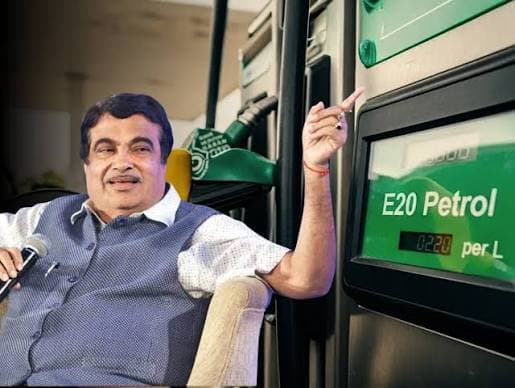
NewsUnion Minister Nitin Gadkari recently challenged E20 fuel critics, asking them to name a single car adversely affected by the blend. This firm statement reinforces India's commitment to E20, signaling a pivotal shift towards sustainable mobility and energy independence.
 News
NewsMercedes-Benz India has flagged growing customer anxiety over E20 fuel, warning that rampant fuel adulteration at pumps is being falsely blamed for ethanol-blend issues.
Investigations show chloride levels up to 300 ppm or 350 mg/kg at retail outlets, against a recommended limit of under 10 ppm. Moisture levels have reached up to 10,000 mg/kg, far exceeding the permissible 3,000 mg/kg limit.
Generally, no. Most car manufacturers do not cover damage caused by contaminated fuel under standard or extended warranties. If your fuel injectors or pump corrode due to bad petrol, you will likely have to pay for the repairs yourself.
SIAM has proposed mandatory chloride limits of under 1 mg/kg for commercial E20 and under 3 mg/kg for anhydrous ethanol. The Centre has directed oil marketing companies (OMCs) to strengthen quality monitoring at retail outlets while investigating the root causes.