Did you know?
The Nürburgring Nordschleife in Germany has 154 corners.
AutoThrust India
The latest car launches, in-depth reviews, variant price updates, and expert insights from India's roads.
Did you know?
The Mahindra Thar takes its name from the Thar Desert in Rajasthan.
Did you know?
The Nürburgring Nordschleife in Germany has 154 corners.
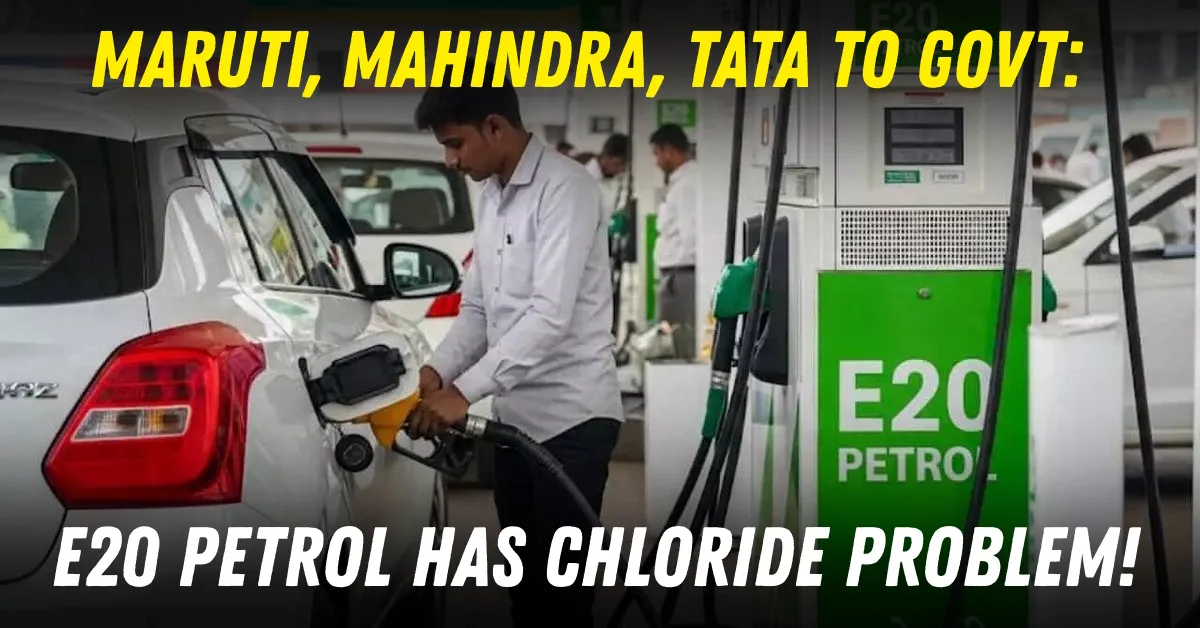
For over a decade, we at AutoThrust India have tracked the pulse of Indian roads, witnessing monumental shifts from BS6 norms to the rapid acceleration of electric vehicles. Amidst this evolution, the quest for cleaner, more sustainable energy has been a constant. The government's push for E20 petrol, a blend incorporating 20% ethanol, was heralded as a significant leap forward, designed to prune our crude oil import bill and shrink our carbon footprint.
But a recent development has sent a tangible shiver through the automotive industry's spine, throwing a significant spanner into those well-laid plans. The very titans of Indian manufacturing – Maruti Suzuki, Tata Motors, and Mahindra & Mahindra – alongside the powerful Society of Indian Automobile Manufacturers (SIAM), have collectively penned a stern letter to the government. Their concern? What they're terming 'chloride issues' in E20 petrol. When the industry itself, the architects of our vehicles, waves such a major red flag about the fuel its creations are meant to consume, it's not just news; it's a critical directive for every car buyer and owner to pay very close attention.
The core of the matter is stark and unambiguous: Maruti, Tata, Mahindra, and SIAM have formally reported chloride issues in E20 petrol to the government. We don't have the granular details – the exact nature of these chlorides, their precise concentrations, or the specific tests that unveiled this problem remain undisclosed. Yet, the sheer collective weight of these entities, representing the lion's share of India's passenger vehicle market and its apex industry body, speaks volumes. This isn't rumour or speculation; it's a formal, documented concern emanating from the very heart of our automotive sector.
So, why are chlorides a problem in fuel? Frankly, even minuscule concentrations of corrosive agents like chlorides within petrol can unleash significant damage on an engine's intricate components. We're talking about potential corrosion that can silently eat away at fuel lines, compromise injectors, degrade fuel pumps, and even damage internal engine parts over time. Ethanol, by its very nature, is already acknowledged as more corrosive and a superior solvent compared to pure petrol. This is precisely why E20-compatible vehicles demand specific material upgrades in their fuel systems. Introducing an additional corrosive agent like chlorides into this blend could, quite literally, compound these issues exponentially. The practical fallout? Potentially accelerated wear, a dramatically shortened engine lifespan, and the spectre of unexpectedly costly repairs down the road. It fundamentally undermines the hard-earned reliability that manufacturers meticulously engineer into their vehicles.
Maruti Suzuki, Tata Motors, and Mahindra & Mahindra aren't mere players; they are the undisputed arbiters of the Indian automotive market's rhythm. Maruti's colossal sales volumes mean any fuel quality issue directly impacts millions of vehicles and their owners. Tata Motors, with its aggressive pivot towards safety and cutting-edge technology, and Mahindra, revered for its rugged, go-anywhere utility vehicles, collectively cater to an immense spectrum of usage conditions – from the brutal stop-and-go of Bengaluru traffic to demanding highway runs and the challenging applications in rural India. SIAM, as the unified voice of the industry, ensures these concerns aren't isolated incidents but reflect a pervasive industry-wide sentiment. Their joint concern isn't just a warning; it spotlights a systemic challenge that E20's rollout must overcome.
The real-world implications for vehicle ownership in India are considerable. Our driving conditions are notoriously tough: extreme temperatures, the regrettable variability of fuel quality at pumps across states, and the common practice of long ownership cycles are the norm. A systemic issue with E20 petrol quality directly threatens engine longevity, inflates maintenance costs, and, critically for the value-conscious Indian buyer, impacts a car's resale value. Trust in the quality and consistency of fuel is paramount here, and a report like this, even without granular technical detail, undeniably erodes that trust. It makes buyers question the long-term commitment and financial wisdom of new vehicle purchases.
This isn't merely headline news; it's a profound call for caution and informed decision-making for every Indian car buyer and existing owner. Here's our take on what this development means for you, right now:
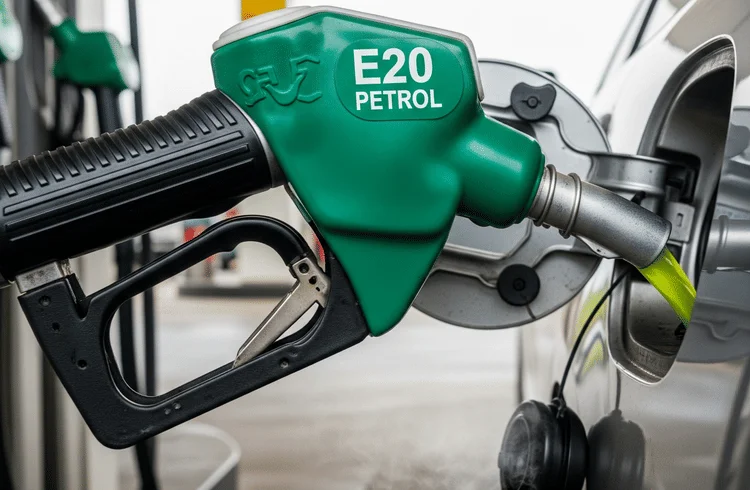
If you're currently in the market for a new car, especially one prominently marketed as E20 compatible, this report demands your undivided attention. While most modern vehicles are engineered with E20 compatibility in mind, the 'chloride issue' suggests there might be an unforeseen, critical variable at play in the actual fuel being dispensed. We strongly advise prospective buyers to engage dealerships with very specific questions:
Is the manufacturer actively addressing these reported chloride issues in E20? What's the official word from their technical teams?
What are the explicit long-term warranties offered on fuel system components if E20 becomes the primary fuel you're using? Are there any riders or disclaimers related to fuel quality?
Can they provide any manufacturer-backed assurances regarding the durability of your car's fuel system given these concerns?
While it's highly improbable this will halt vehicle production or sales, it undeniably injects a layer of uncertainty. For now, continuing to use regular E10 (10% ethanol) petrol, where readily available, might well be the safer, more prudent bet for your investment.
The immediate concern ripples out to a vast swathe of existing vehicles. Owners of older cars not explicitly rated for E20 should be particularly vigilant. Accidental filling with the higher-ethanol blend could swiftly cause problems in systems not designed for it. The greater challenge, however, will be ensuring that fuel pump attendants are correctly dispensing the specified fuel and that signage is unambiguously clear. If E20 with persistent chloride issues becomes widespread, even owners of newer, E20-compatible cars could face accelerated wear and tear on critical fuel system components. Vigilance at the pump, particularly in semi-urban or rural areas, becomes key.
The spectre of corrosion translates directly into potential maintenance headaches and higher running costs. Fuel filters, injectors, and fuel pumps are not cheap components to replace; we're talking about repairs that can easily run into several thousands, if not lakhs, over a vehicle's lifespan. If these chloride issues aren't swiftly and effectively resolved, we could foresee a noticeable spike in fuel system-related failures across the vehicle parc. This would inevitably lead to higher running costs for owners and, crucially, shorten component lifespans. This is a significant blow to the 'value for money' proposition, especially for the typical Indian buyer who often stretches their budget for a new vehicle and expects years of trouble-free ownership.
Over time, if the quality of E20 petrol becomes a perceived risk or if widespread, unaddressed issues emerge, it could inadvertently but significantly affect the resale value of vehicles. Buyers in the burgeoning used car market are already inherently wary of vehicles with a history of mechanical issues, particularly those related to the engine or fuel system. Systemic fuel-related problems can substantially devalue a car, making it harder to sell and diminishing its market price. For a market driven by affordability and longevity, this is a serious consideration.
For those not in an immediate hurry to buy a new vehicle, adopting a 'wait and watch' approach isn't unreasonable; in fact, we'd endorse it. The government, along with the oil marketing companies and manufacturers, must collaborate intensely to resolve this. A clear, public resolution and unequivocal assurance will be absolutely critical before E20 can be fully embraced without reservation. This isn't about outright shunning E20; it's about ensuring that when it does become ubiquitous, it's a robust, reliable, and genuinely safe fuel for the diverse and challenging conditions found on Indian roads.
The government's commitment to the E20 mandate is clear, driven by strategic energy security goals and crucial environmental objectives. However, the unified and authoritative voice of the automotive industry cannot, and should not, be ignored. This situation places the government in a genuinely tricky position: to forge ahead with a potentially problematic fuel blend, risking widespread vehicle issues and consumer dissatisfaction, or to pause and rigorously address these concerns, which might inevitably slow down the ambitious E20 rollout timeline. A swift, transparent investigation and, more importantly, a clear, publicly communicated action plan are now essential. Merely acknowledging the industry's report won't suffice; the industry, and by direct extension, the consumer, needs to see concrete, verifiable steps being taken to mitigate these chloride issues.
This isn't merely about a technical fix; it's profoundly about maintaining consumer confidence in a crucial, nationally significant policy initiative. The long-term success of E20 hinges not just on its widespread availability but fundamentally on its perceived and actual reliability for the millions of vehicles it will power. Any compromise on this front could have far-reaching and negative consequences for India's environmental goals, its economy, and the vital relationship of trust between the automotive sector and its customers.
Resolving a challenge of this magnitude will demand unprecedented, genuine collaboration across multiple stakeholders: the automotive industry that designs and builds the cars, the fuel suppliers (refineries and oil marketing companies) that produce and distribute the fuel, and the government that sets the policy and mandates. Manufacturers have diligently flagged the problem, and now the ball is firmly in the court of the policymakers and fuel refiners. This isn't a moment for a blame game; it's a crucial opportunity to collectively ensure that the E20 rollout is robust, unequivocally reliable, and truly beneficial for the Indian consumer in the long run. Any viable solution will likely involve rigorous, stringent quality checks at refineries, perhaps the introduction of new, specialized additives, or even a re-evaluation of the ethanol blending process itself to prevent the formation or presence of harmful chlorides.
As AutoThrust India, we steadfastly believe that informed choices empower buyers. This report, while admittedly light on specific technical details, is heavy with profound implications for millions. It starkly underscores the reality that transitioning to new, alternative fuels is an inherently complex journey, fraught with potential pitfalls that only real-world application, rigorous testing, and continuous feedback can truly reveal. The collective, weighty concern from Maruti, Tata, Mahindra, and SIAM should serve as a wake-up call for all stakeholders to prioritize fuel quality, vehicle longevity, and consumer trust above all else. This isn't a luxury; it's a necessity for India's automotive future.
This authoritative report from Maruti, Tata, Mahindra, and SIAM about chloride issues in E20 petrol is nothing short of a significant curveball in India's ambitious fuel transition narrative. For Indian car buyers and existing owners, our message is unequivocally clear: proceed with caution. While we acknowledge and support the long-term benefits of ethanol blending for the nation, the immediate priority for every individual must be the reliability, safety, and longevity of their vehicle investment. We strongly advise existing owners to continue rigorously using the specified fuel for their vehicles and new car buyers to actively seek detailed clarity and manufacturer assurances from dealerships regarding E20 compatibility and, crucially, potential remedies or safeguards for this reported issue. The onus is now squarely on the government and fuel companies to swiftly provide transparent solutions and concrete assurances. Until then, the promise of E20 comes with a noteworthy caveat, one that no discerning Indian car buyer can afford to ignore.
Major Indian automakers and SIAM have reported 'chloride issues' in E20 petrol to the government. These chlorides are corrosive agents that can damage critical engine components and fuel systems, potentially reducing vehicle lifespan.
 Buying Guides
Used electric cars are depreciating fast in India. Here is how to find a high-quality pre-owned EV, run diagnostics on the battery, and avoid massive replacement bills.
 Buying Guides
Demystifying the real cost of buying a car in India. Learn the truth about ex-showroom markups, automatic gearboxes, NCAP safety, and how to negotiate with dealers.
 News
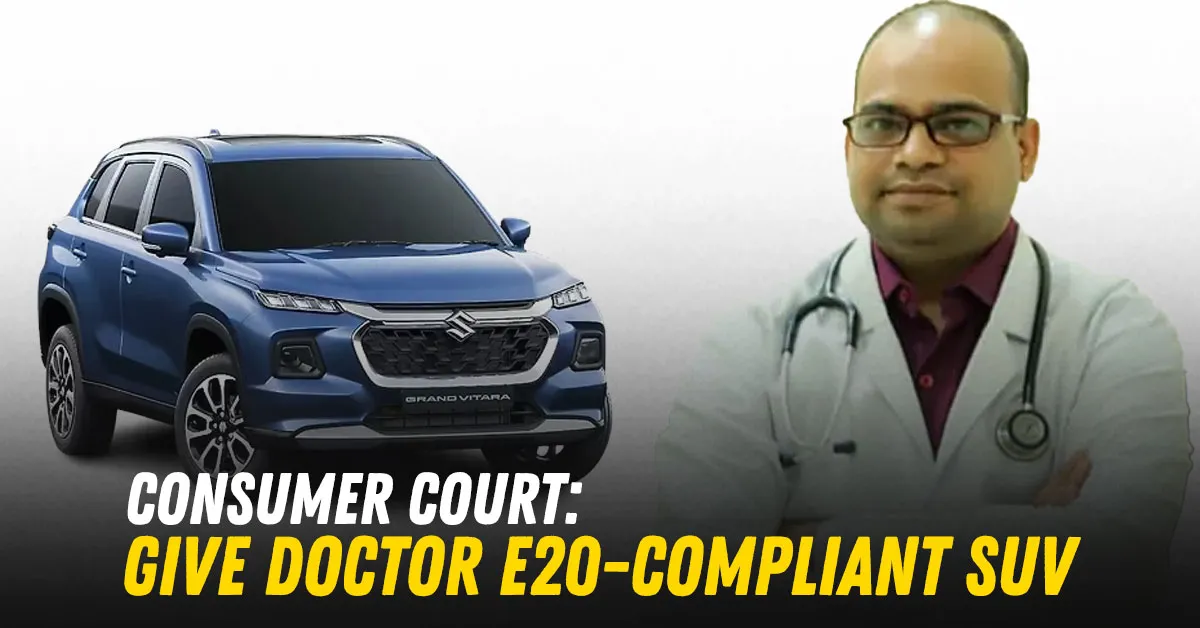
NewsA recent court order for Maruti to replace a Grand Vitara due to E20 petrol-related breakdowns sends a clear warning to Indian car buyers. We dissect what this unprecedented ruling truly means for your vehicle, E20 fuel compliance, and manufacturer responsibility.
Maruti Suzuki, Tata Motors, and Mahindra & Mahindra, along with the Society of Indian Automobile Manufacturers (SIAM), have collectively formally reported these chloride issues.
Chloride issues could lead to corrosion of fuel lines, injectors, fuel pumps, and internal engine parts. This can result in premature wear, increased maintenance costs, reduced engine life, and potentially impact your car's resale value.
New car buyers should ask dealerships specific questions about how manufacturers are addressing these chloride issues and inquire about long-term warranties on E20-compatible fuel system components. Using E10 petrol where available might be a safer option for now.