Did you know?
Volkswagen means 'people's car' in German.
AutoThrust India
The latest car launches, in-depth reviews, variant price updates, and expert insights from India's roads.
Did you know?
The fuel in your tank is technically prehistoric — fossil fuel, after all.
Did you know?
Volkswagen means 'people's car' in German.
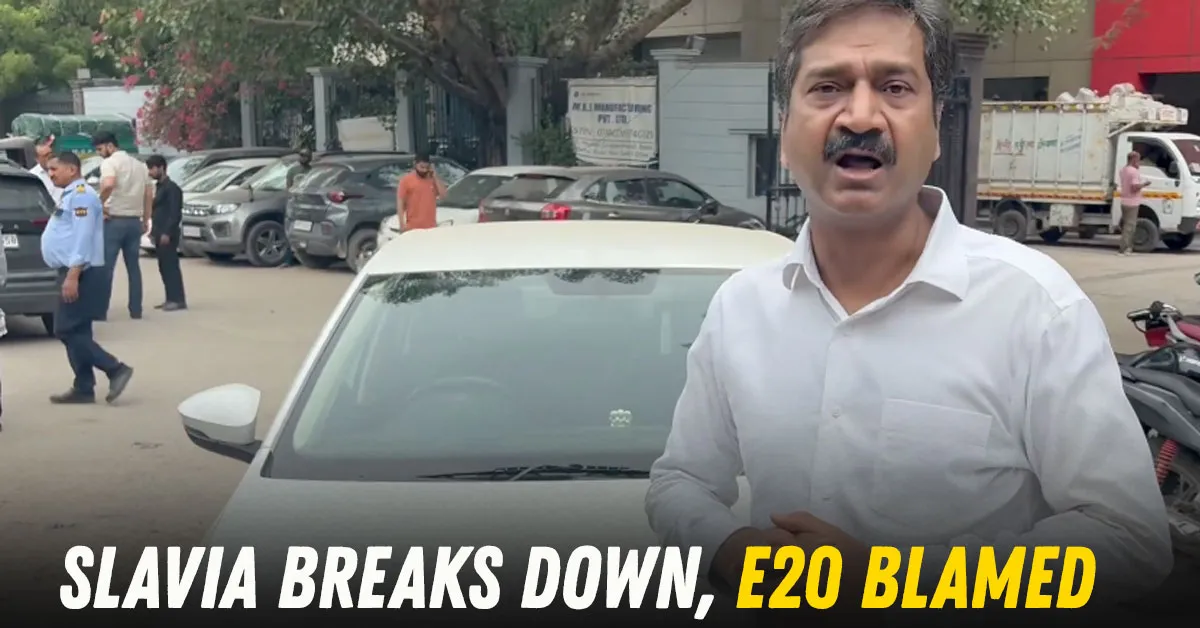
In a development that has sent ripples through the Indian automotive community, a Skoda Slavia owner recently experienced a catastrophic vehicle breakdown, only to be told by the authorized service center that the culprit was E20 petrol (20% ethanol-blended petrol). This incident has reignited a fierce nationwide debate regarding the compatibility, safety, and long-term viability of ethanol-blended fuels in modern turbocharged petrol engines.
As India rapidly transitions towards a mandatory E20 fuel economy to reduce crude oil imports and lower emissions, vehicle owners are increasingly finding themselves caught in a crossfire between fuel station dynamics and manufacturer warranties. Below, we conduct an exhaustive, professional investigation into this breakdown, analyzing the technicalities of E20 fuel, Skoda's official engineering compatibility, the vulnerabilities of direct-injection engines, and what you, as a car owner, can do to protect your vehicle and your wallet.
The controversy began when a Skoda Slavia owner took to social media and automotive forums to share a harrowing experience. While driving under normal operating conditions, the vehicle suddenly lost power, exhibited a prominent EPC (Electronic Power Control) warning light on the digital instrument cluster, and ground to a complete halt. The engine refused to crank again, necessitating an immediate tow to the nearest authorized Skoda service workshop.
Upon preliminary diagnostic evaluation, the service center technicians identified a complete failure of the fuel delivery system, specifically pointing toward a clogged and damaged high-pressure fuel pump (HPFP) and fuel injectors. However, instead of processing a standard warranty replacement, the service advisors verbally asserted that the damage was caused by "poor fuel quality associated with high ethanol concentration (E20 petrol)" and suggested that the repair costs might have to be borne out-of-pocket by the customer.
This diagnosis has sparked outrage among enthusiasts and buyers alike, raising a fundamental question: If modern Skoda cars are advertised as E20-compliant, why are service centers blaming E20 fuel for mechanical breakdowns?
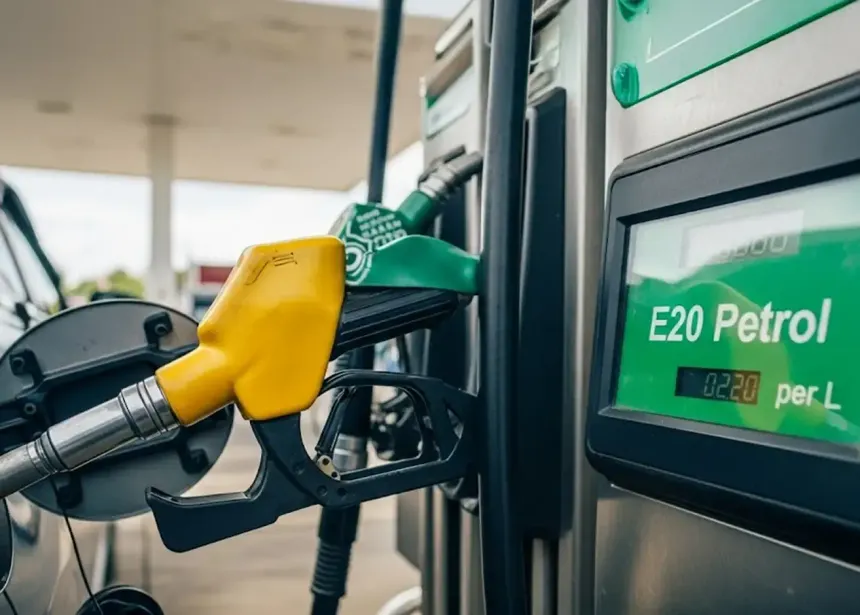
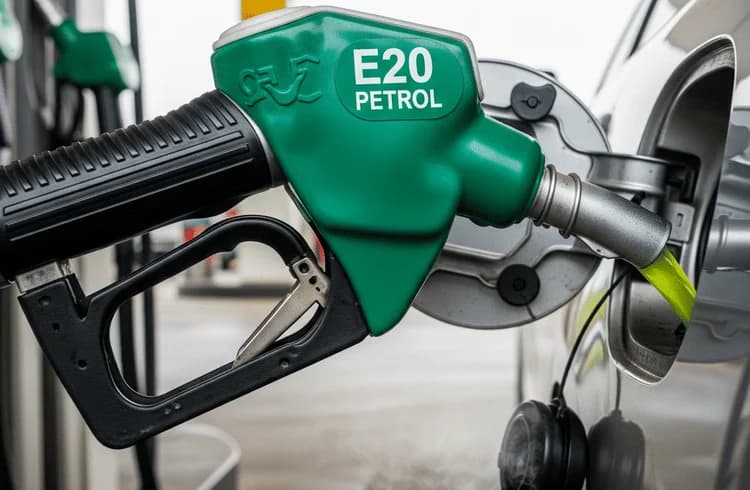
To understand this conflict, we must examine what E20 petrol actually is. E20 is a biofuel blend consisting of 80% fossil-fuel-based petrol and 20% ethanol (typically derived from fermented sugarcane, corn, or biomass). The Government of India has aggressively fast-tracked the rollout of E20 petrol across the nation, aiming for 100% fuel station coverage by 2025.
While ethanol burns cleaner and reduces carbon monoxide and hydrocarbon emissions, it possesses chemical properties that present unique challenges for internal combustion engines (ICE):
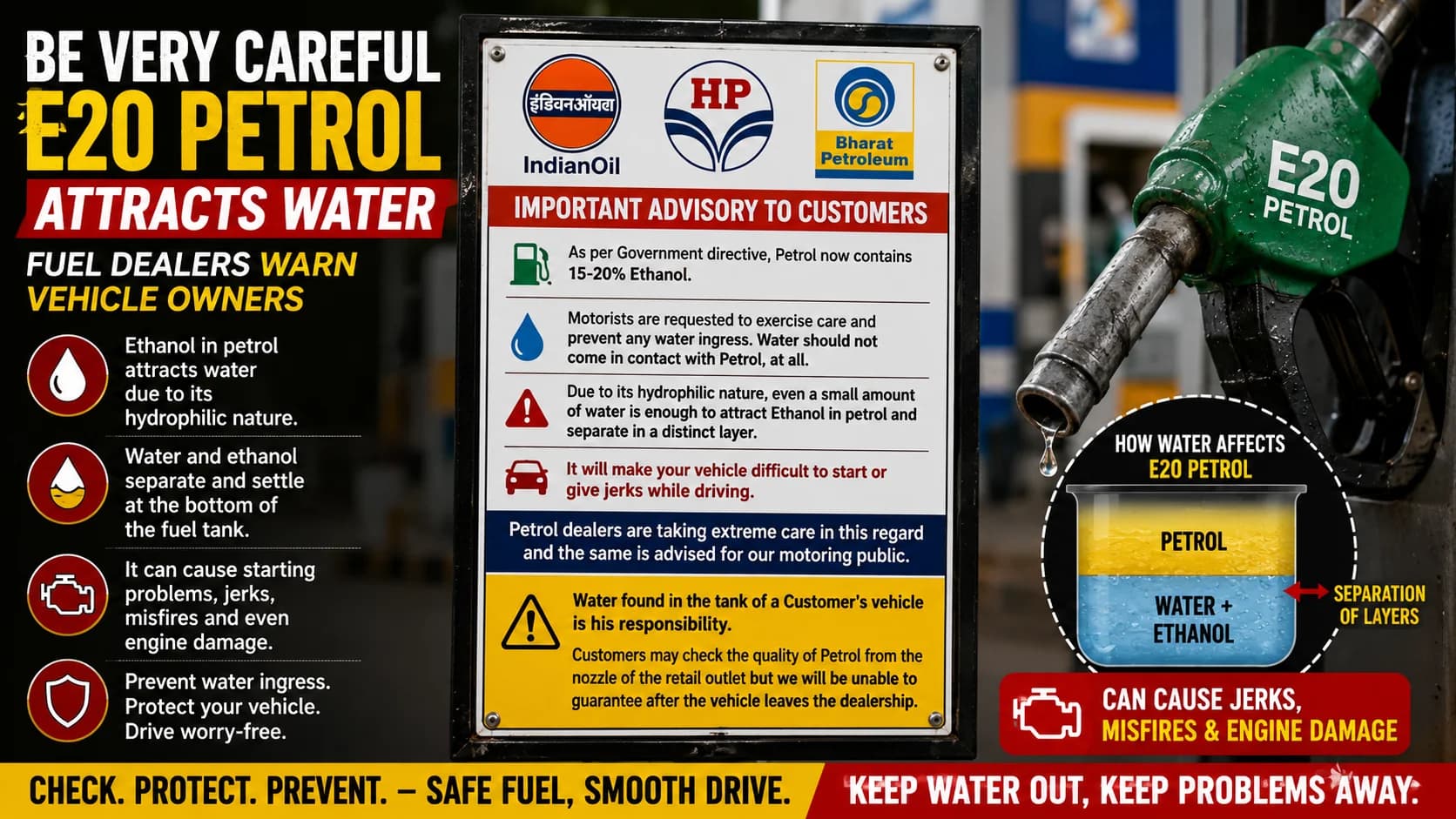
Hygroscopic Nature: Ethanol is highly hydrophilic, meaning it readily absorbs moisture/water from the surrounding atmosphere. When water mixes with ethanol, it undergoes a process called phase separation. The water-ethanol mixture sinks to the bottom of the fuel tank, creating a highly corrosive sludge that is pumped directly into the engine's fuel lines.
Corrosive Properties: Ethanol is chemically aggressive toward certain materials. It can easily degrade non-compatible rubber gaskets, seals, plastics, and metallic components within the fuel system.
Lower Energy Density: Ethanol contains approximately 30% less energy by volume than pure gasoline, resulting in a marginal drop in fuel efficiency (typically 1.5% to 3% in E20-optimized engines).

Skoda Auto Volkswagen India Private Limited (SAVWIPL) transitioned its entire MQB-A0-IN platform line-up—including the Skoda Slavia, Skoda Kushaq, Volkswagen Virtus, and Volkswagen Taigun—to comply with the stringent BS6 Phase 2 (RDE - Real Driving Emissions) norms in early 2023.
All BS6 Phase 2 compliant Skoda Slavia models are officially certified by the manufacturer to run safely on E20 petrol without any mechanical degradation. The fuel filler cap on these updated models explicitly features an "E20" sticker, denoting compatibility.
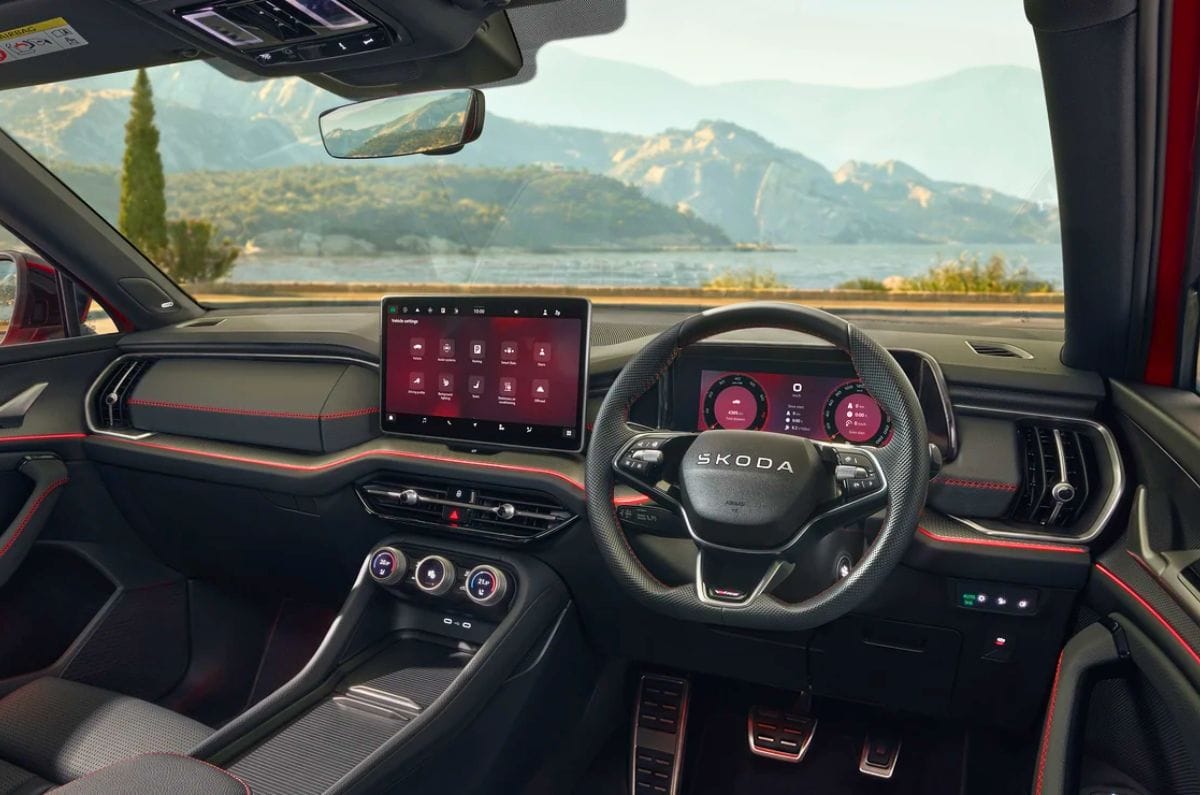
1.0-litre, 3-cylinder TSI Turbo-Petrol: This highly-strung, direct-injection engine utilizes high-pressure common-rail technology. It is highly sensitive to fuel quality, demanding clean, high-octane fuel to prevent pre-ignition (knocking).
1.5-litre, 4-cylinder TSI EVO Turbo-Petrol: Featuring Active Cylinder Technology (ACT), this engine operates at extremely high fuel pressures and tight tolerances, making its injectors highly vulnerable to particulate contaminants and chemical erosion.
Engine Type1.0 TSI Turbo-Petrol1.5 TSI EVO Turbo-PetrolDisplacement999 cc1498 ccPower Output114 bhp @ 5000-5500 rpm148 bhp @ 5000-6000 rpmPeak Torque178 Nm @ 1750-4500 rpm250 Nm @ 1600-3500 rpmFuel InjectionDirect Injection (TSI)Direct Injection (TSI)Official Fuel CompatibilityE20 Compliant (BS6 Phase 2)E20 Compliant (BS6 Phase 2)Recommended Octane Rating 91 RON (Minimum)95 RON (Recommended)
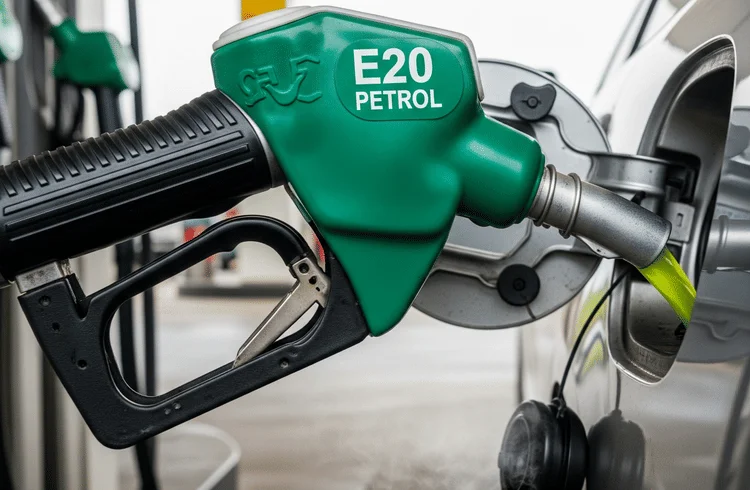
If the hardware is certified as E20-compliant, why are high-pressure fuel pumps failing? The answer lies in the distinction between laboratory-grade E20 fuel used during vehicle development and the real-world fuel quality dispensed at local fuel stations.
Due to poor storage maintenance at many retail outlets in India, underground fuel tanks often accumulate water due to condensation or rainwater seepage. Because ethanol is highly hygroscopic, it binds with this water. When this contaminated mixture is pumped into a Skoda Slavia's fuel tank, it triggers rapid corrosion of the ultra-precise needle valves inside the high-pressure fuel injectors.
The high-pressure fuel pump (HPFP) in a TSI engine operates at pressures exceeding 200 to 350 bar. At these extreme pressures, even microscopic rust flakes or debris loosened by ethanol's solvent-like cleaning effect can instantly score the pump cylinders, leading to a loss of fuel pressure and throwing the car into limp mode (the dreaded EPC light).
In many instances, dealership service centers resort to "blame-shifting" to avoid expensive warranty payouts. Diagnosing complex electrical and fuel-delivery issues requires intensive diagnostic time. Attributing the failure to "external fuel contamination" allows the dealership to close the ticket quickly and attempt to bill the customer or their insurance company for parts replacement.
The Skoda Slavia remains one of the most premium mid-size sedans in the Indian market, commanding a premium price tag for its safety, driving dynamics, and sophisticated European build quality. Let's look at the current variant lineup and pricing structure (ex-showroom, India):
Price Range: ₹10.69 Lakh onwards
Engine Options: 1.0 TSI Manual
Target Audience: Budget-conscious buyers wanting European ride dynamics.
Price Range: ₹13.50 Lakh – ₹15.50 Lakh
Engine Options: 1.0 TSI Manual / Automatic & 1.5 TSI Manual / DSG
Target Audience: Buyers looking for a balanced mix of features, safety, and performance.
Price Range: ₹16.00 Lakh – ₹18.69 Lakh
Engine Options: 1.0 TSI AT, 1.5 TSI MT & 1.5 TSI DSG
Target Audience: Driving enthusiasts who demand premium tech, ventilated seats, and maximum power.
Given that customers are spending upwards of ₹18 Lakhs on a premium sedan, facing a major mechanical failure due to standard fuel available at public pumps is a massive deterrent to brand trust.
If your Skoda Slavia suffers a fuel pump or injector failure, here is how the legal and warranty framework operates in India:
The Manufacturer’s Stance: Skoda's warranty clearly states that damage caused by "adulterated fuel, incorrect fuel usage, or external contamination" is not covered under the manufacturer's warranty.
The Owner's Defense: If your car is a BS6 Phase 2 model with the "E20" sticker on the fuel cap, and you have filled normal petrol from an authorized, reputed fuel station, the vehicle is legally operating within its designed parameters.
The Diagnostic Burden of Proof: The service center cannot simply verbally refuse warranty. They must provide a formal laboratory chemical analysis report of the fuel extracted from your tank proving that the fuel contained more than 20% ethanol, had water contamination levels exceeding permissible Bureau of Indian Standards (BIS) limits, or was otherwise adulterated.
If the fuel sample is within legal Indian retail specifications, Skoda is legally bound to honor the warranty and replace the damaged components free of charge.
To prevent fuel-system issues and build a strong legal case in the event of a breakdown, Slavia and other direct-injection turbo-petrol car owners should adopt these best practices:
Stick to Reputed, High-Volume Fuel Stations: Always refuel at busy, state-owned fuel pumps (IOCL, HPCL, BPCL) or premium private outlets (Shell) where fuel turnover is rapid. This minimizes the risk of purchasing stale, water-contaminated fuel from stagnant underground tanks.
Avoid Refueling Immediately After a Tanker Delivery: If you see a fuel tanker replenishing the station's underground tanks, do not refuel there immediately. The replenishment process stirs up settled sediment and water from the bottom of the tanks.
Keep All Fuel Receipts: Always collect and digitalize your fuel receipts. In case of a dispute, these receipts serve as physical proof of where and when you purchased your fuel.
Opt for Premium Fuels (With Caution): While 95-octane fuels like XP95 are highly recommended for TSI engines to prevent knocking, ensure they do not exceed the E20 blending limit.
Never Leave Your Fuel Tank Near Empty: Keeping your fuel tank relatively full minimizes the volume of air inside the tank, thereby reducing atmospheric moisture condensation and subsequent ethanol phase separation.
This Skoda Slavia breakdown controversy serves as a critical wake-up call for the entire Indian automotive sector. While the Indian government's push for ethanol blending is a laudable step toward carbon reduction and economic self-reliance, the ground-level infrastructure must keep pace.
Car manufacturers cannot simply slap an "E20" sticker on the fuel cap to meet compliance while their authorized service centers use the same E20 fuel as a scapegoat to deny legitimate warranty claims. If a vehicle is marketed as E20-compliant, its fuel delivery system must be engineered with robust, corrosion-resistant metallurgy and superior filtration systems capable of handling the harsh realities of Indian fuel retail conditions.
For consumers, vigilance is key. If you are faced with a warranty denial, demand a formal fuel test report, escalate the matter to Skoda Auto India's leadership, and, if necessary, seek recourse through the Consumer Disputes Redressal Commission.
 News
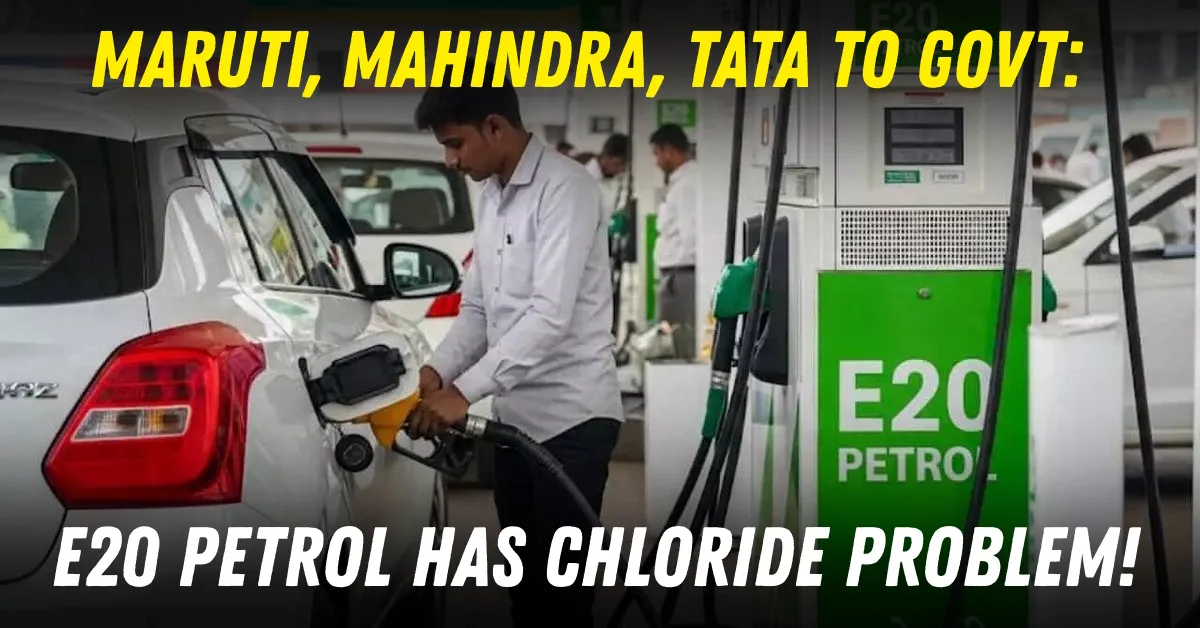
NewsIndia's biggest automakers — Maruti, Tata, Mahindra, and SIAM — have collectively raised a serious red flag: 'chloride issues' in E20 petrol. This isn't just a technical footnote; it's a direct challenge to E20's reliability and could impact your car's longevity and value.
 News
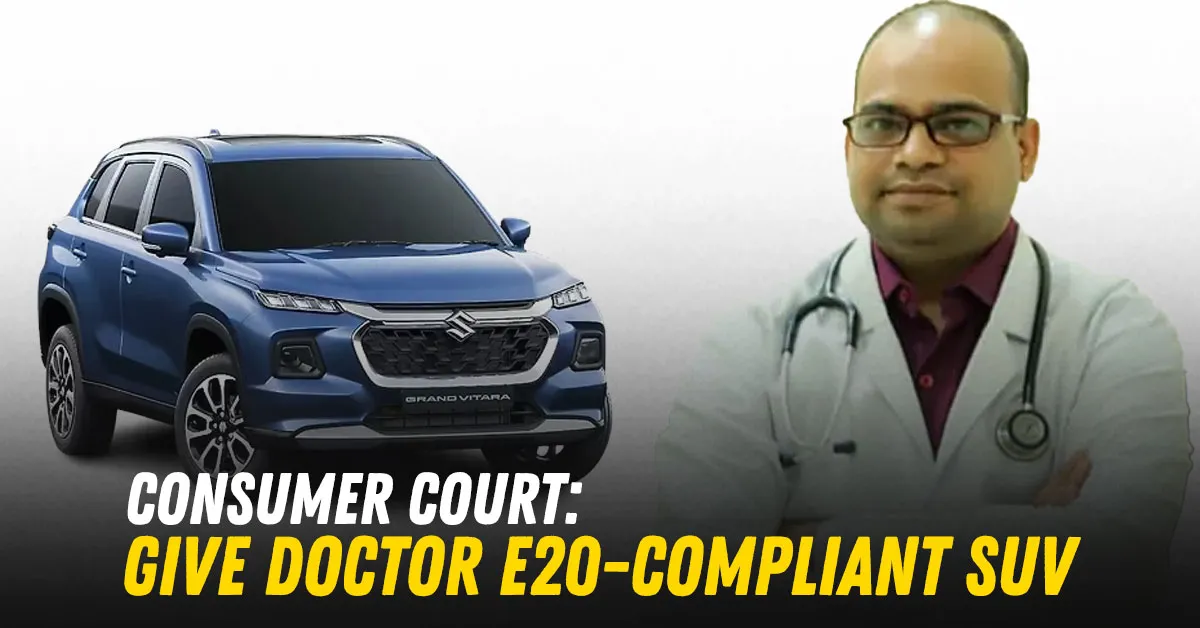
NewsA recent court order for Maruti to replace a Grand Vitara due to E20 petrol-related breakdowns sends a clear warning to Indian car buyers. We dissect what this unprecedented ruling truly means for your vehicle, E20 fuel compliance, and manufacturer responsibility.
 News
NewsOfficial data reveals Indian motorists were unknowingly using petrol with steadily increasing ethanol blends, long before E20 was formally announced. This quiet transition raises critical questions about transparency and its impact on your vehicle's performance and longevity.