Did you know?
The average car has around 30,000 individual parts.
AutoThrust India
The latest car launches, in-depth reviews, variant price updates, and expert insights from India's roads.
Did you know?
The average car has around 30,000 individual parts.
Did you know?
The average car has around 30,000 individual parts.
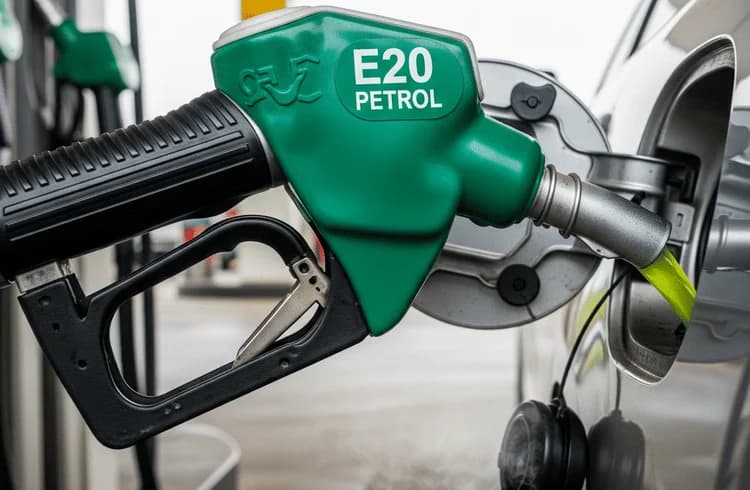
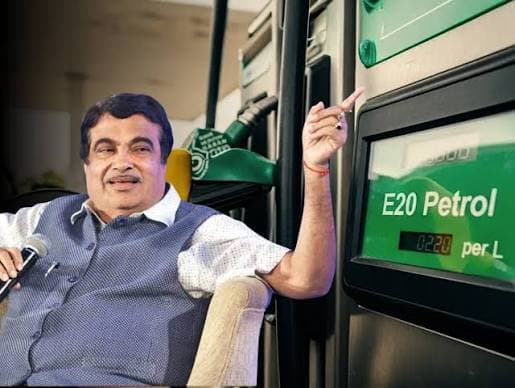
India's ethanol blending programme has been introduced to reduce crude oil imports, lower emissions, and promote cleaner fuels. Today, E20 petrol has become the standard fuel across the country, while E85 fuel is gradually being introduced for compatible flex-fuel vehicles.
While the initiative offers long-term environmental and economic benefits, many vehicle owners have started noticing one important concern—higher running costs due to reduced fuel efficiency.
Why Is Ethanol-Blended Fuel Being Promoted?
The Government of India has been steadily increasing ethanol blending in petrol to reduce dependence on imported crude oil and support domestic ethanol production.
The current standard fuel is E20, which contains 20 percent ethanol and 80 percent petrol. Higher blends like E85 and E100 are also expected to become more common in the coming years as flex-fuel vehicles enter the market.
Lower Mileage Means Higher Running Costs
The biggest drawback of ethanol-blended fuel is its lower energy density compared to petrol.
Since ethanol contains less energy per litre, engines need to burn more fuel to produce the same amount of power. As a result, most vehicles experience a slight drop in fuel efficiency.
For E20 petrol, mileage can reduce by around 2 to 6 percent, depending on the vehicle, engine tuning, and driving conditions.
For example, if your car normally delivers 20 km/l on conventional petrol, it may return around 19 km/l on E20 fuel. While the difference appears small, it can add up over thousands of kilometres and increase overall fuel expenses.
E85 Fuel Shows An Even Bigger Difference
The reduction in fuel economy becomes much more noticeable with higher ethanol blends.
Vehicles running on E85 generally consume significantly more fuel because ethanol contains considerably less energy than petrol. Although E85 is sold at a lower price than E20, drivers may end up refuelling more frequently, reducing the overall savings.
Why Isn't Ethanol-Blended Petrol Cheaper?
Many expected ethanol blending to reduce fuel prices. However, ethanol procurement costs have increased over the years, limiting any significant reduction in retail petrol prices.
As a result, E20 petrol is sold at prices similar to conventional petrol, even though it contains a substantial percentage of ethanol.
Benefits Beyond Fuel Economy
Although motorists may experience a slight increase in running costs, ethanol blending offers several long-term benefits for the country.
These include:
- Reduced dependence on imported crude oil
- Lower carbon emissions
- Increased demand for domestically produced ethanol
- Better energy security
- Additional income opportunities for farmers
These broader economic and environmental advantages remain the primary objective of India's ethanol blending programme.
Should Car Owners Be Concerned?
Owners of modern E20-compatible vehicles generally do not need to worry about engine safety, as manufacturers have designed these vehicles to run on ethanol-blended fuel.
However, drivers should expect a slight reduction in mileage, which may translate into marginally higher running costs over time. Regular servicing and following the manufacturer's fuel recommendations remain the best way to ensure reliable performance.
Final Thoughts
India's transition towards ethanol-blended fuel is an important step towards cleaner mobility and reduced dependence on fossil fuels. However, for everyday motorists, the shift also brings a trade-off in the form of slightly lower fuel efficiency.
While the long-term environmental benefits are undeniable, vehicle owners should be aware that E20 petrol may increase running costs due to higher fuel consumption. As higher ethanol blends become more common, improvements in engine technology and flex-fuel compatibility will play a crucial role in balancing efficiency with sustainability.
 News
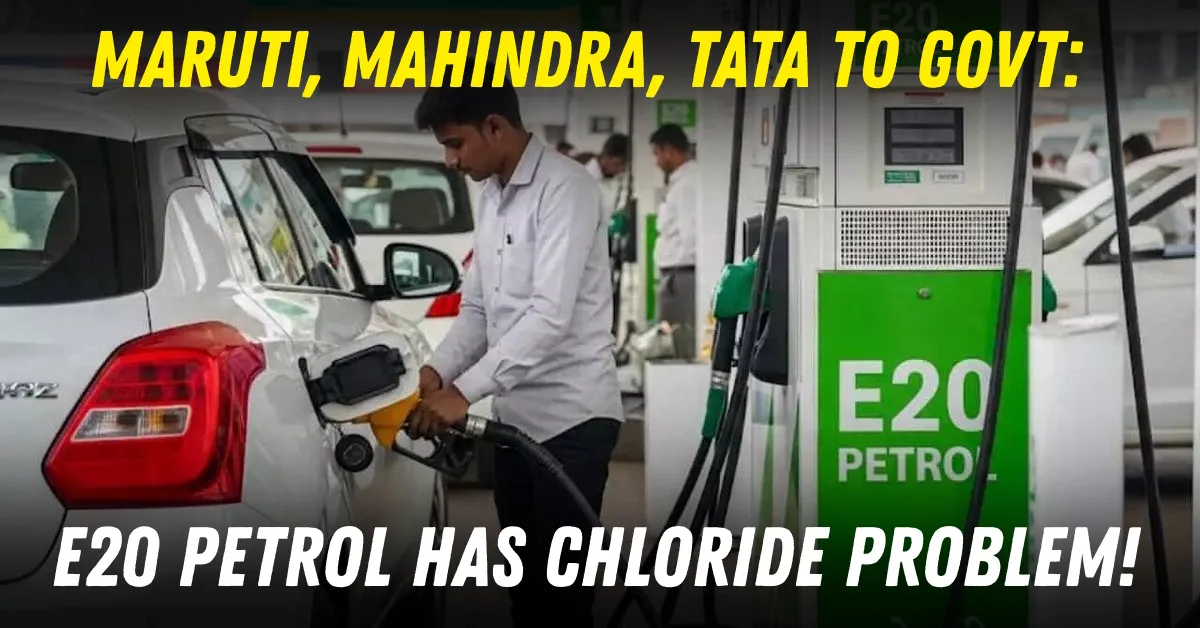
NewsIndia's biggest automakers — Maruti, Tata, Mahindra, and SIAM — have collectively raised a serious red flag: 'chloride issues' in E20 petrol. This isn't just a technical footnote; it's a direct challenge to E20's reliability and could impact your car's longevity and value.
 News
NewsA recent court order for Maruti to replace a Grand Vitara due to E20 petrol-related breakdowns sends a clear warning to Indian car buyers. We dissect what this unprecedented ruling truly means for your vehicle, E20 fuel compliance, and manufacturer responsibility.
 News
NewsOfficial data reveals Indian motorists were unknowingly using petrol with steadily increasing ethanol blends, long before E20 was formally announced. This quiet transition raises critical questions about transparency and its impact on your vehicle's performance and longevity.