Did you know?
Rolls-Royce's 'Spirit of Ecstasy' hood ornament has adorned cars since 1911.
AutoThrust India
The latest car launches, in-depth reviews, variant price updates, and expert insights from India's roads.
Did you know?
The McLaren F1 still holds the record as the fastest naturally-aspirated car.
Did you know?
Rolls-Royce's 'Spirit of Ecstasy' hood ornament has adorned cars since 1911.
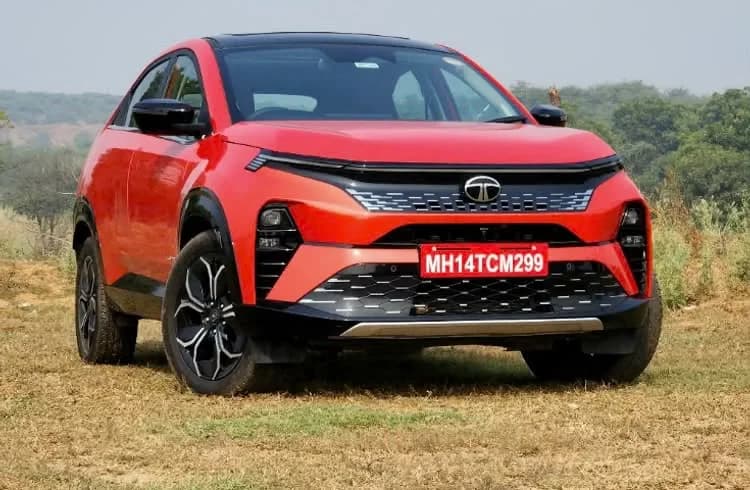
In a significant development that sent ripples across the Indian automotive landscape, Tata Motors, the nation's leading electric vehicle (EV) manufacturer, has officially confirmed that its upcoming flagship EV, the Avinya, will be built on a Chinese electric vehicle platform. This strategic announcement underscores Tata's aggressive approach to solidifying its leadership in the nascent but rapidly expanding Indian EV market, and signals a broader trend of global collaboration in the pursuit of electric mobility.
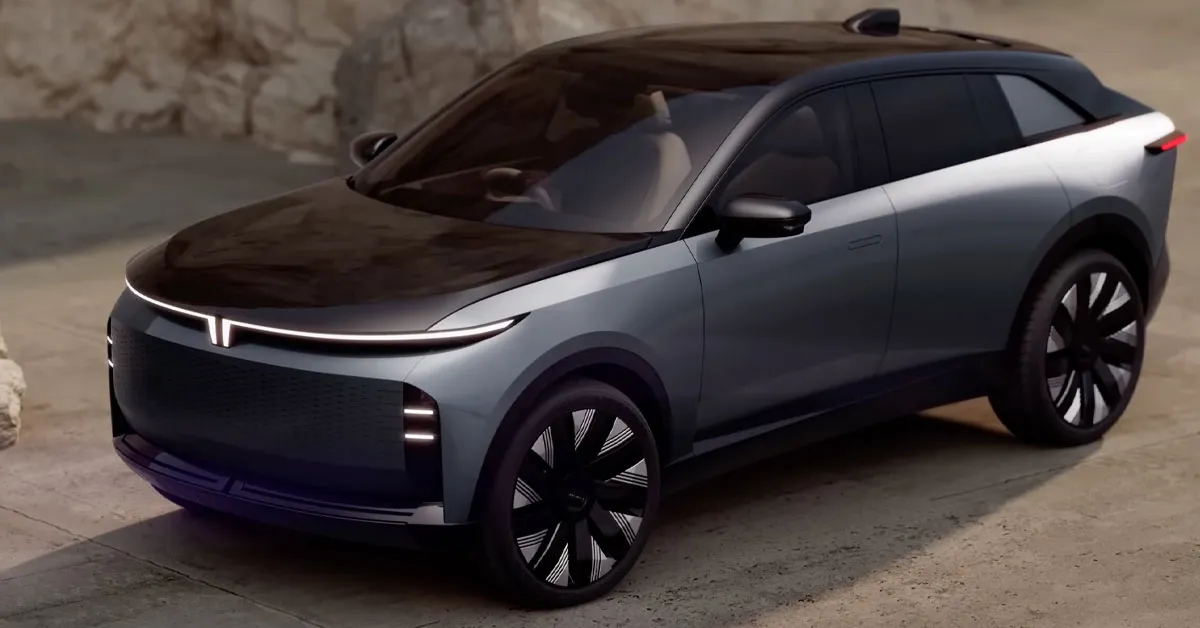
First unveiled as a stunning concept in 2022, the Tata Avinya represents the pinnacle of Tata's 'Gen 3' EV architecture – a born-electric platform designed from the ground up to offer unparalleled space, advanced technology, and a premium experience. The decision to leverage an existing Chinese platform for such a pivotal project is a bold one, reflecting a pragmatic approach to accelerate development, optimize costs, and integrate cutting-edge EV technologies.
The Tata Avinya concept captivated audiences with its futuristic design, spacious interior, and promise of an electric future. It embodies Tata's aspirations to move into the premium and global EV segments, offering a truly differentiated product that prioritizes user experience, sustainability, and technological prowess. The Avinya is envisioned as a multi-purpose vehicle (MPV) that blurs the lines between an SUV and a premium hatchback, targeting customers seeking sophisticated, zero-emission mobility solutions.
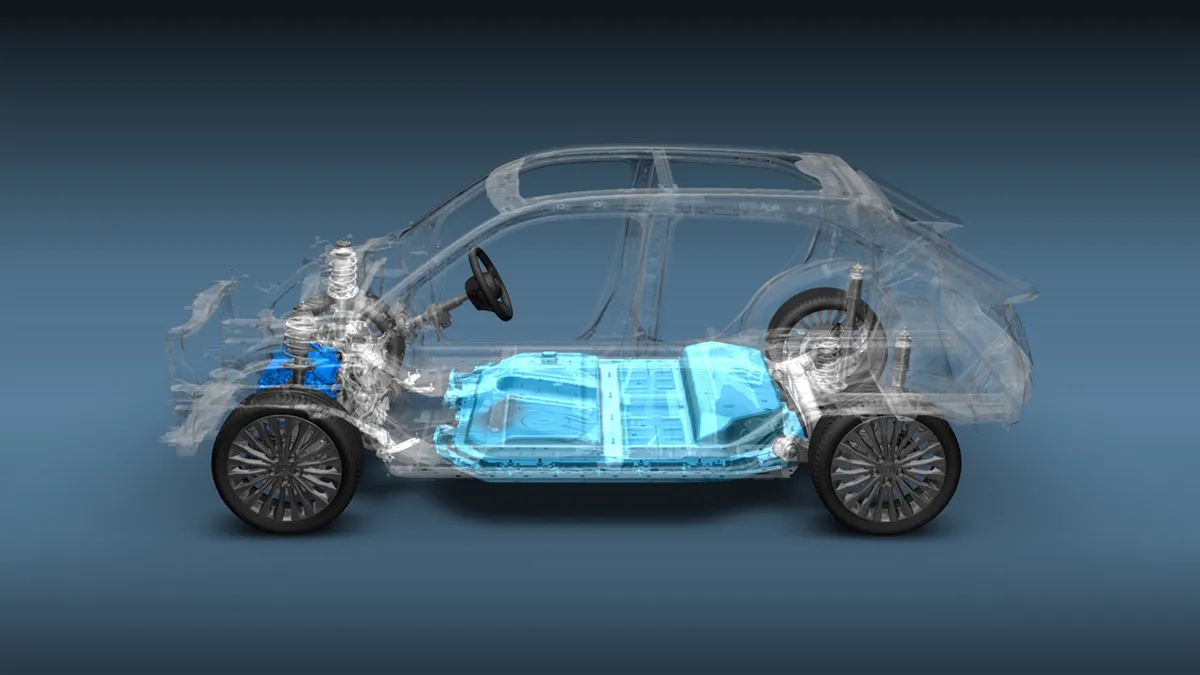
Built on Tata's pure EV GEN 3 architecture, the Avinya is designed to be highly modular, allowing for various body styles and battery configurations. This inherent flexibility makes it an ideal candidate to leverage a proven platform, ensuring robust engineering and rapid time-to-market. The core philosophy behind Avinya is 'optimised space', providing occupants with an open, airy cabin experience that traditional ICE (Internal Combustion Engine) vehicles simply cannot match.
The confirmation of a Chinese platform for the Avinya might raise questions, but from a strategic standpoint, it offers several compelling advantages for Tata Motors:
The global EV race is intensifying, and speed is of the essence. Developing a brand-new, born-electric platform from scratch is a monumental task, demanding extensive resources, time, and expertise. By adopting a proven Chinese platform, Tata can significantly cut down its research and development (R&D) timelines and costs, bringing the Avinya to production much faster than if it were to develop everything in-house.
China is at the forefront of EV manufacturing, boasting an extensive ecosystem of suppliers and advanced manufacturing capabilities. Leveraging components and platform technologies from this mature supply chain can lead to substantial cost savings. These economies of scale can translate into more competitive pricing for the Avinya in India, making premium EVs more accessible.
Chinese EV manufacturers are global leaders in battery technology, motor control systems, power electronics, and advanced driver-assistance systems (ADAS). Partnering or licensing a platform from a Chinese entity grants Tata direct access to these state-of-the-art technologies, which might otherwise take years and significant investment to develop independently. This includes crucial aspects like cell-to-pack battery integration, efficient thermal management, and robust software architecture.
Using an established platform inherently reduces engineering risks. Chinese platforms have undergone rigorous testing and real-world application in millions of vehicles, offering a level of maturity and reliability that a nascent platform might lack. This reduces potential teething issues and ensures a smoother launch and ownership experience for Avinya customers.
While Tata has not disclosed the specific Chinese platform or partner, common speculation points towards established players known for their modular EV architectures and global ambitions. This collaboration strategy is not unique to Tata; many global automakers are increasingly looking towards partnerships to accelerate their EV transition.
While official production specifications are yet to be revealed, based on the Avinya concept and the general trajectory of premium EVs, we can anticipate the following:
Platform: Dedicated Born-Electric (Gen 3) Architecture, likely adapted from a Chinese partner.
Dimensions: Expected to be around 4.5-4.8 meters in length, offering generous interior space.
Battery Capacity: 60-80 kWh high-density battery pack, optimized for long range and fast charging.
Range (WLTP): 500-600 km on a single charge, catering to inter-city travel and daily commutes.
Charging: 100kW+ DC Fast Charging capability, allowing 10-80% charge in under 30 minutes. Bi-directional charging (V2L - Vehicle to Load) is also highly probable.
Motors: Expected to offer single and dual-motor AWD configurations.
Power Output: 200-300 hp (approximate), ensuring robust performance.
0-100 km/h: Under 7 seconds for top variants.
Interior: Minimalist, sustainable materials, large panoramic sunroof, swivel seats, and a focus on digital detox.
Technology: Level 2+ ADAS (Advanced Driver-Assistance Systems), large integrated infotainment displays, advanced connectivity features, over-the-air (OTA) updates.
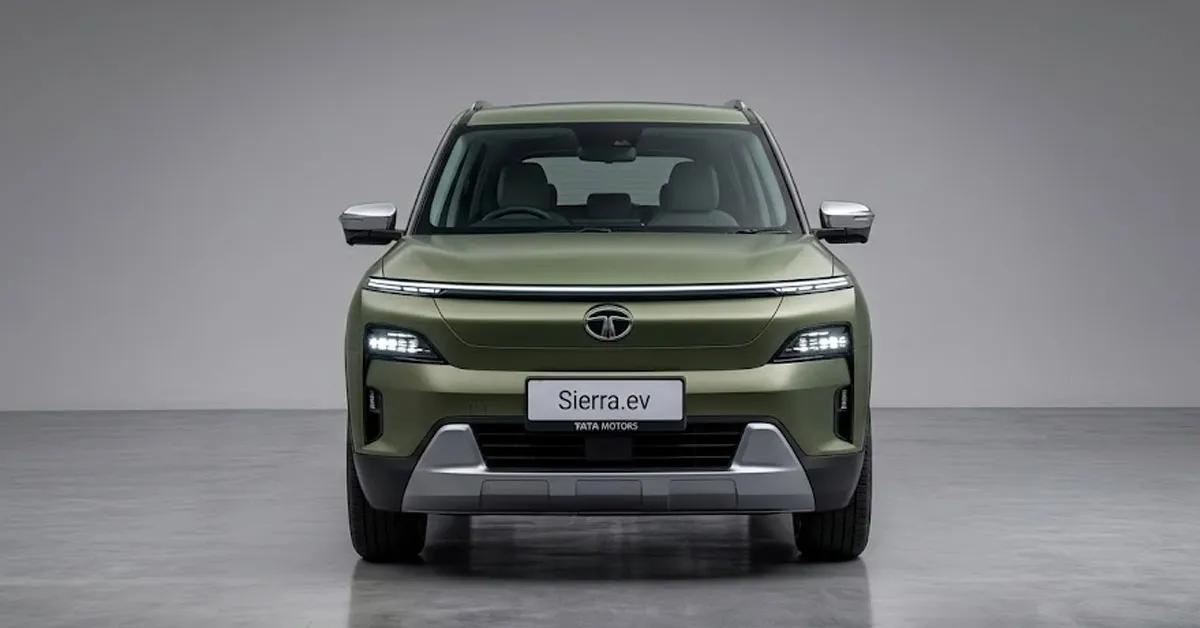
The Tata Avinya is more than just another EV; it's a strategic pillar in Tata Motors' overarching electric mobility roadmap. While the Nexon EV and Tiago EV cater to the Gen 1 and Gen 2 (modified ICE platforms) segments, the Avinya represents the full potential of Gen 3 – a truly born-electric vehicle designed without the compromises of adapting an existing ICE architecture. It will sit above the upcoming Curvv EV and Sierra EV, establishing Tata's presence in the nascent but growing premium EV segment.
This move demonstrates Tata's ambition to not just lead the mass-market EV segment but also to define the future of premium electric mobility in India and potentially global markets. The Avinya will act as a technology demonstrator, showcasing Tata's capabilities and its commitment to sustainable innovation.
Given its premium positioning and advanced technology, the Tata Avinya is expected to be priced in the ₹30-45 Lakh (ex-showroom) bracket. This would place it squarely against upcoming premium EVs from global manufacturers, as well as local competitors entering the higher segments.
We can anticipate at least two to three variants:
Avinya Long Range: Focus on maximum range, comfortable features.
Avinya Performance: Dual-motor AWD, sportier tuning, enhanced features.
Avinya Luxury: Top-tier trim with all advanced features, premium interior materials, and maximum comfort.
Tata's decision to use a Chinese platform for the Avinya could have a profound impact on the Indian EV ecosystem:
Accelerated Technology Adoption: It could push other Indian manufacturers to explore similar collaborations to bring advanced tech faster.
Increased Competition: A technologically superior and competitively priced Avinya will intensify competition in the premium EV segment, benefiting consumers.
Manufacturing Localization: While the platform might be Chinese, Tata Motors will undoubtedly focus on maximizing localization of components, assembly, and software integration in India, boosting the domestic EV supply chain.
Redefining 'Made in India': This move highlights a pragmatic approach where 'Made in India' can encompass global collaborations, leveraging the best technologies from around the world to create world-class products locally.
While the strategic advantages are clear, Tata Motors will also face challenges. The perception of 'Chinese' technology among some consumers, rigorous customization for Indian driving conditions, and establishing a robust after-sales network for advanced EV systems will be crucial. However, the opportunities far outweigh the challenges – a strong product, competitive pricing, and a clear vision for the future could cement Tata's position as an unassailable leader in India's EV revolution.
The confirmation of a Chinese platform for the Tata Avinya is a landmark decision, showcasing Tata Motors' agile and forward-thinking strategy. It's a pragmatic move to accelerate its EV ambitions, bringing cutting-edge technology, superior performance, and a premium experience to the Indian market faster and more efficiently. The Avinya is poised to be a game-changer, not just for Tata, but for the entire Indian automotive industry, signaling a new era of collaborative innovation and rapid electrification. As India charges towards an electric future, the Avinya, powered by global expertise and localized ingenuity, promises to lead the way.
 Buying Guides
Used electric cars are depreciating fast in India. Here is how to find a high-quality pre-owned EV, run diagnostics on the battery, and avoid massive replacement bills.
 News
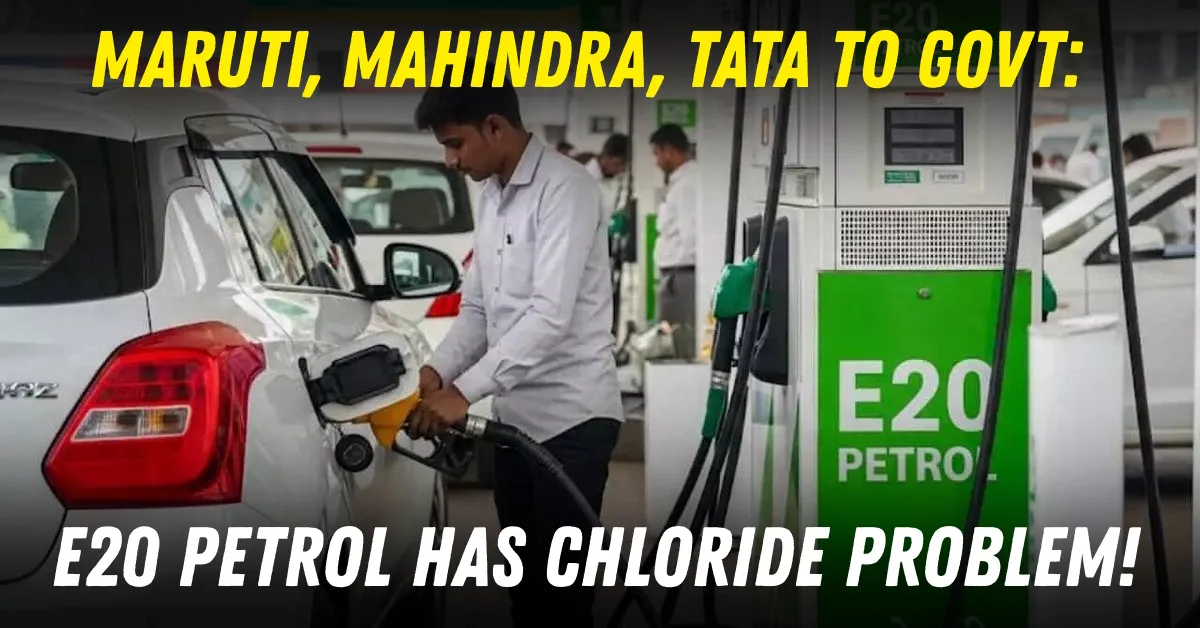
NewsIndia's biggest automakers — Maruti, Tata, Mahindra, and SIAM — have collectively raised a serious red flag: 'chloride issues' in E20 petrol. This isn't just a technical footnote; it's a direct challenge to E20's reliability and could impact your car's longevity and value.
 News
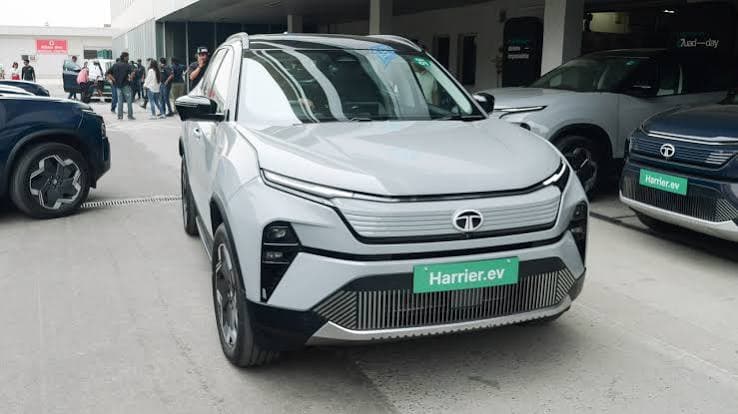
NewsAutoThrust India brings you exclusive news on Tata Harrier EV's unprecedented discounts of up to Rs 2.75 lakh this July 2026. Explore how green bonuses, exchange offers, and loyalty benefits make owning a Harrier EV more accessible than ever, cementing Tata's leadership in India's EV sector.