Did you know?
The world's longest traffic jam stretched over 100 km in China in 2010.
AutoThrust India
The latest car launches, in-depth reviews, variant price updates, and expert insights from India's roads.
Did you know?
The average car has around 30,000 individual parts.
Did you know?
The world's longest traffic jam stretched over 100 km in China in 2010.
In a landmark development that has sent waves across the global automotive landscape, Indian manufacturing powerhouses Tata Motors and Mahindra & Mahindra (M&M) have been ranked as the world's most energy-efficient electric vehicle (EV) manufacturers. This prestigious recognition comes from the latest assessment conducted by the International Council on Clean Transportation (ICCT).
Historically, global EV discussions have been dominated by American pioneer Tesla and Chinese behemoth BYD. However, the ICCT’s comprehensive evaluation highlights how Indian carmakers have leveraged "frugal engineering" to maximize energy efficiency, outperforming legacy players and tech giants alike. This achievement marks a paradigm shift, proving that India is not just a consumer market but a global hub for highly efficient sustainable mobility solutions.
The International Council on Clean Transportation (ICCT) evaluated global automotive manufacturers on a series of rigorous parameters focused on decarbonization, resource consumption, and energy efficiency. Rather than looking solely at battery capacity or 0-100 km/h acceleration times, the ICCT study analyzed the holistic energy cycle of the vehicles.
Energy Consumption per Kilometer (Wh/km): How much electrical energy the vehicle consumes to travel a set distance.
Weight Optimization: The ratio of the battery pack weight to the overall vehicle curb weight.
Powertrain Efficiency: The energy loss percentages during transmission, thermal management, and inverter operations.
Regenerative Braking Tuning: Efficiency of kinetic energy recovery back into the battery pack.
Resource Footprint: Minimizing the size of the battery pack while maintaining a practical real-world driving range.
Tata Motors has been the undisputed leader of the Indian EV revolution, holding over 70% of the domestic market share. The ICCT report commends Tata's multi-generational EV architectures for their outstanding efficiency.
Gen 1 (Converted ICE): Vehicles like the Nexon EV Prime and Tigor EV utilized modified internal combustion engine platforms, yet achieved impressive efficiency through aggressive software optimization.
Gen 2 (acti.ev Architecture): Debuting with the Punch EV and the Curvv EV, this dedicated born-EV platform optimizes packaging, maximizes cabin space, and significantly reduces structural weight.
Gen 3 (Avinya Platform): Future modular architectures designed to set global benchmarks in thermal efficiency and aerodynamic drag coefficients.
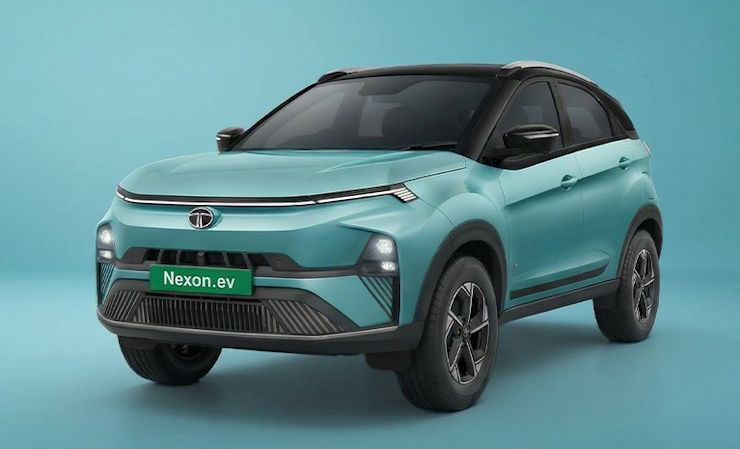
Nexon EV Long Range: 30 W h/km to 140 W h/km real-world consumption.
Punch EV: Aerodynamically optimized underbody shields that lower the drag coefficient to 0.32 Cd.
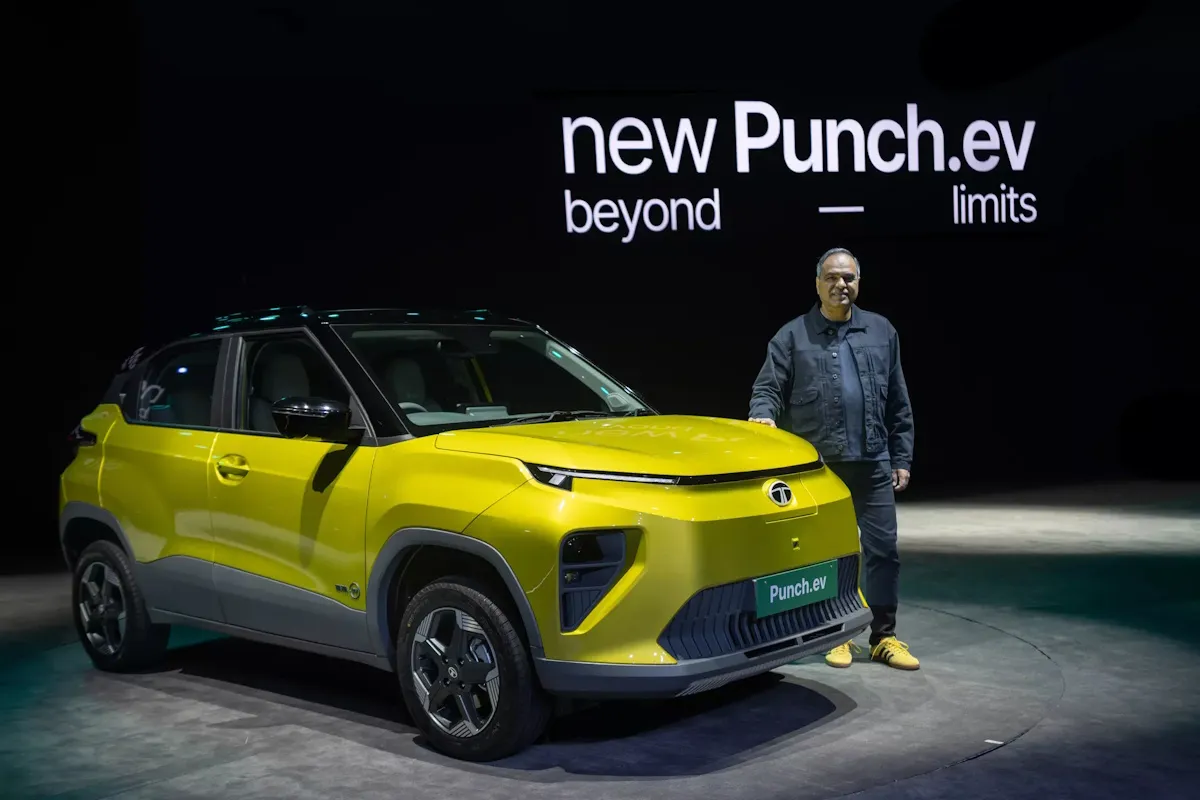
Battery Chemistry: High-density Lithium Iron Phosphate (LFP) cells configured to operate efficiently in extreme Indian tropical temperatures without excessive active cooling drain.
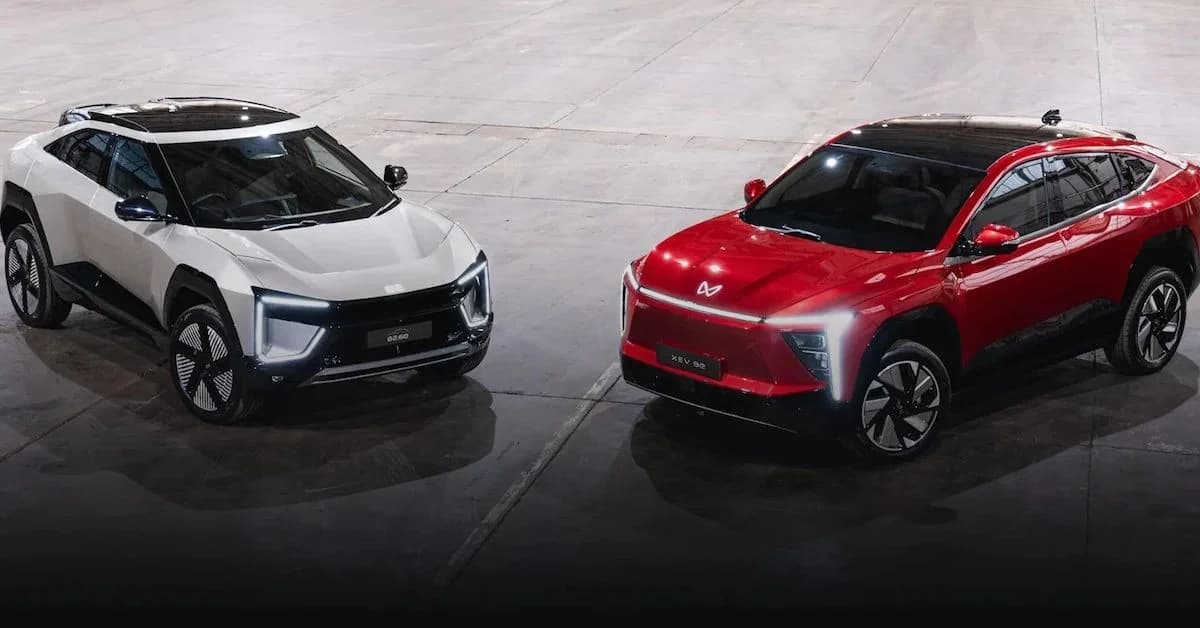
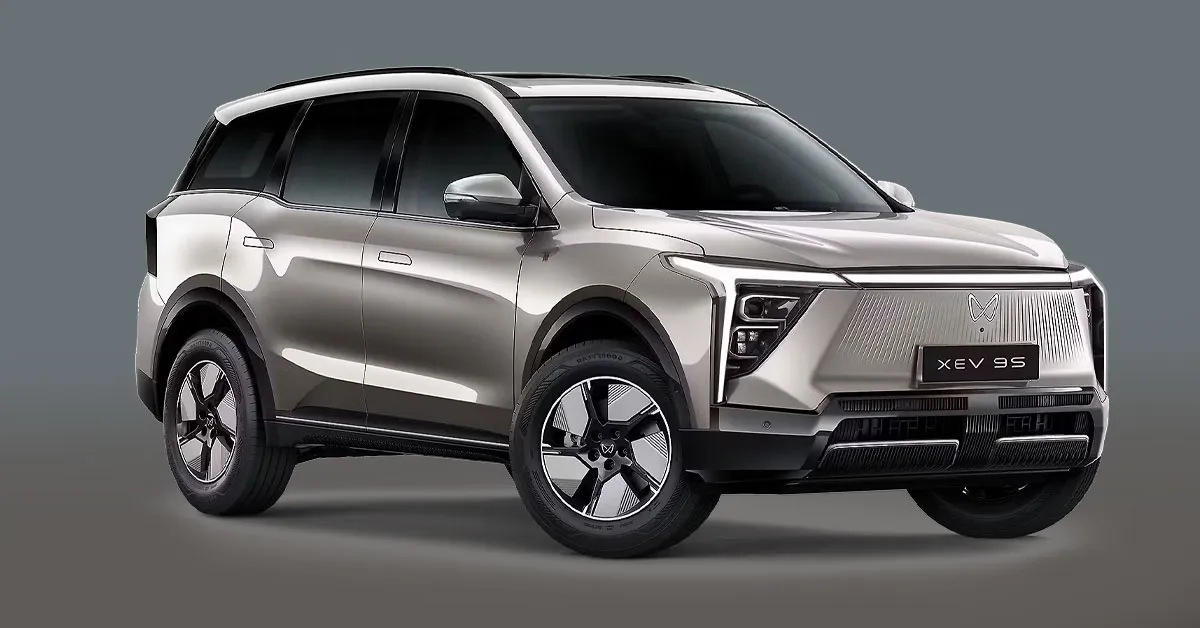
While Mahindra entered the pure passenger EV race slightly later with the XUV400, its strategic focus on clean-sheet EV engineering has yielded exceptional results. Mahindra's upcoming INGLO platform (powering the XEV 9e and BE 6e) has been designed from the ground up for global markets, prioritizing lightweight composite materials and hyper-efficient drivetrains.
Mahindra’s success lies in its advanced electric powertrain partnerships and in-house development. By utilizing lightweight high-tensile steel and integrating the motor, transmission, and inverter into a single compact unit (the 3-in-1 powertrain), Mahindra has drastically minimized driveline losses.
Below is an analytical overview showing how Tata and Mahindra vehicles compare to prominent global alternatives in the compact and mid-size SUV segments regarding energy usage patterns.
Manufacturer / Platform Primary EV Architecture Average Battery Size (kWh)Real-world Efficiency (W h/km)Efficiency Rating (ICCT Index) Tata Motors (acti.ev) Dedicated EV Platform25 - 45115 - 130Outstanding Mahindra (INGLO) Modular Born-EV 60 - 79 , 135 - 145 Excellent Tesla (Model Y) Dedicated EV 60 - 75 , 150 - 165 Good BYD (e-Platform 3.0)Dedicated EV50 - 80140 - 155Very Good European OEMs (MEB)Modular EV 52 - 77 160 - 180 Average
For the end consumer, a highly energy-efficient EV translates directly to lower running costs and reduced range anxiety. However, on a macro level, the benefits are even more profound:
Reduced Grid Load: Highly efficient EVs require less electricity per charge, reducing the stress on the national power grid as EV adoption scales up.
Smaller Battery Footprint: Superior efficiency allows manufacturers to offer identical range figures using physically smaller, lighter battery packs. This reduces the mining of critical earth materials like lithium, cobalt, and nickel.
Lower Manufacturing Cost: Smaller battery packs directly result in lower vehicle prices, making clean mobility accessible to a wider demographic.
To understand how this efficiency translates into market competitiveness, let us look at the current price-to-range value propositions offered by these two brands in India:
Empowered MR (Medium Range): 25 kWh Battery | 315 km MIDC Range | Price: INR 10.99 Lakh onwards
Empowered LR (Long Range): 35 kWh Battery | 421 km MIDC Range | Price: INR 12.99 Lakh onwards
Key Takeaway: Offers class-leading efficiency of nearly 12 km per kWh in ideal city driving conditions.
EC Pro: 34.5 kWh Battery | 375 km MIDC Range | Price: INR 15.49 Lakh onwards
EL Pro: 39.4 kWh Battery | 456 km MIDC Range | Price: INR 17.49 Lakh onwards
Key Takeaway: Exceptional cabin space coupled with a highly efficient regenerative braking system that recovers up to 15% of kinetic energy during typical stop-and-go city traffic.
The ICCT’s recognition of Tata Motors and Mahindra as the world’s most energy-efficient EV manufacturers is a monumental validation of Indian engineering prowess. It proves that "frugal innovation" is not about cutting corners; rather, it is about extracting maximum utility from every single watt of electrical energy.
As Tata rolls out its advanced Gen-2 architectures and Mahindra commercializes its state-of-the-art INGLO-based electric SUVs, India is perfectly positioned to transition from an emerging EV market to a global exporter of highly optimized, sustainable, and energy-efficient mobility solutions.
 Buying Guides
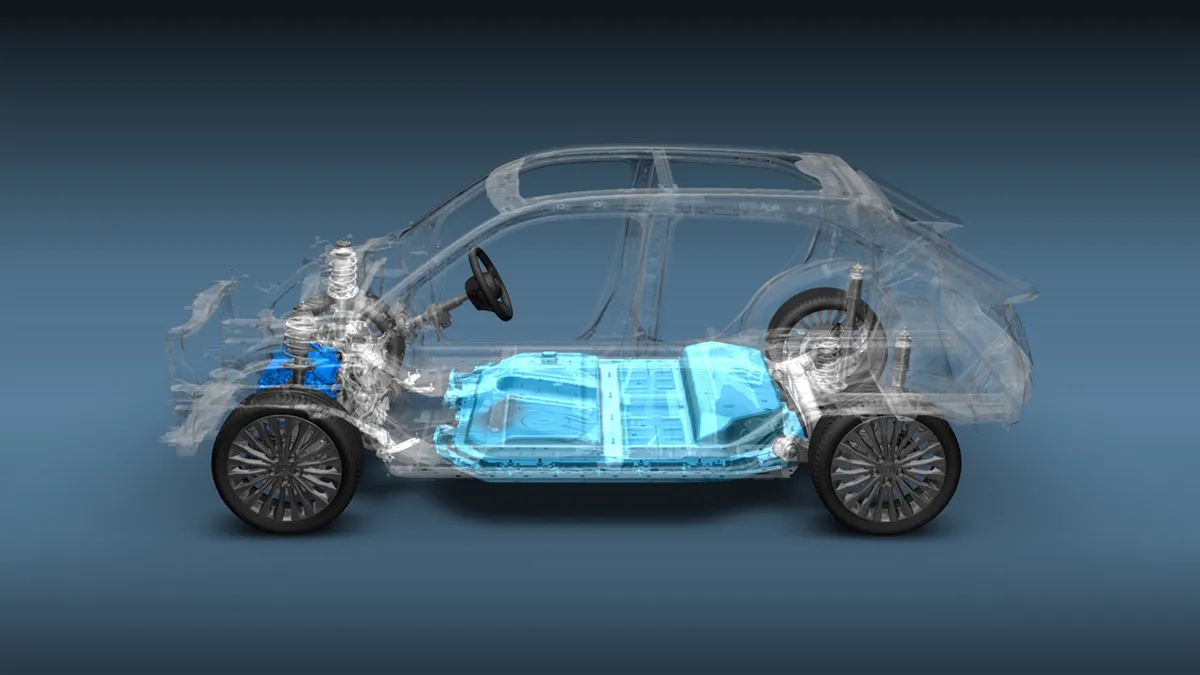
Used electric cars are depreciating fast in India. Here is how to find a high-quality pre-owned EV, run diagnostics on the battery, and avoid massive replacement bills.
 News
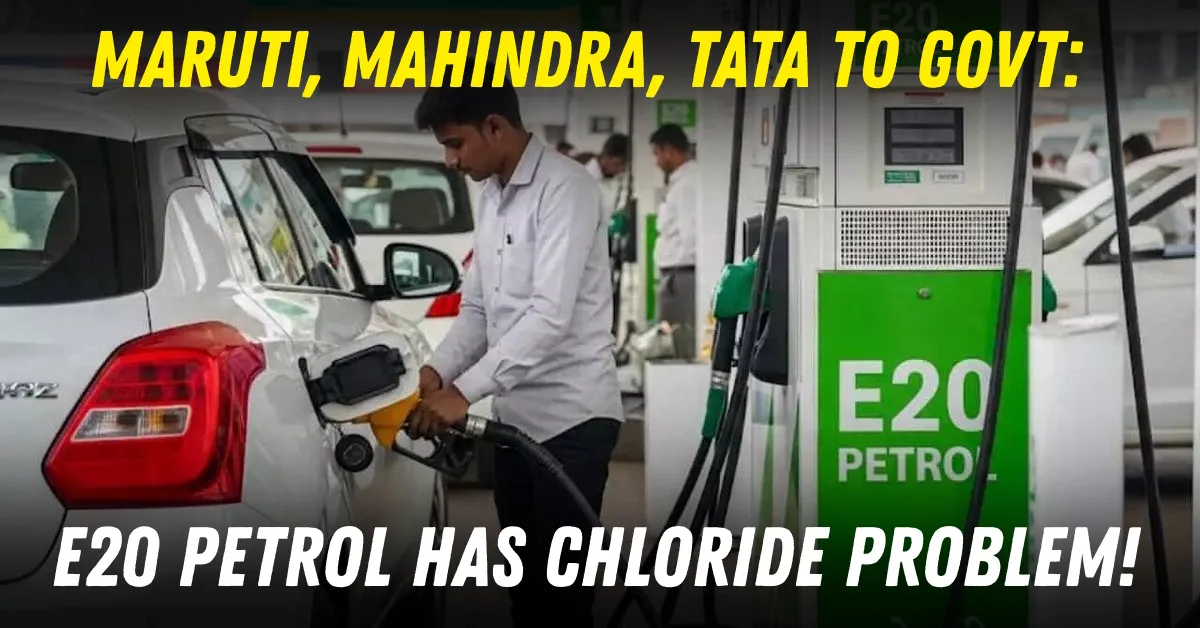
NewsIndia's biggest automakers — Maruti, Tata, Mahindra, and SIAM — have collectively raised a serious red flag: 'chloride issues' in E20 petrol. This isn't just a technical footnote; it's a direct challenge to E20's reliability and could impact your car's longevity and value.
 Buying Guides
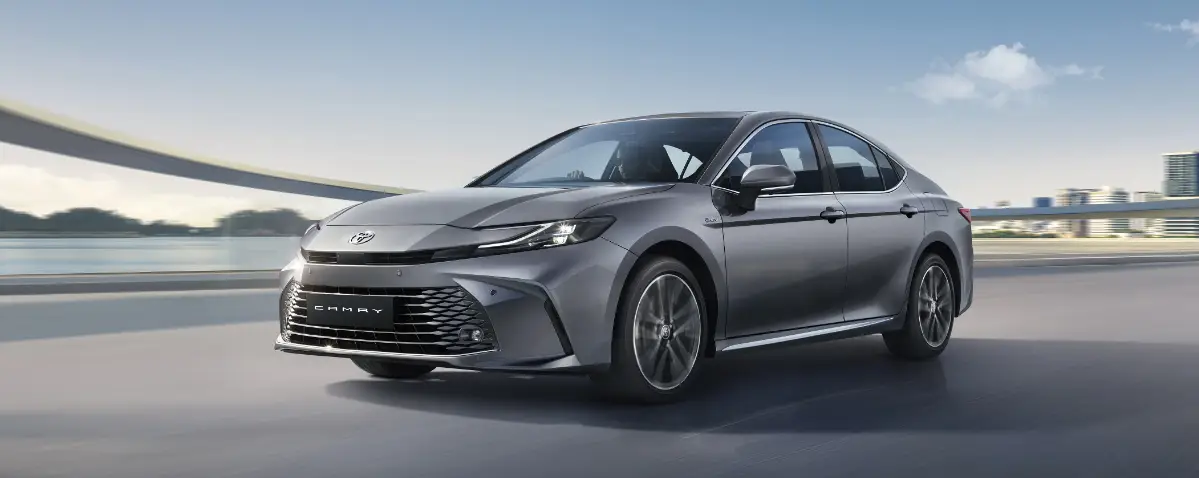
Deciding between petrol, strong hybrid, or EV in India isn't just about the showroom price; it's about your monthly mileage, fuel bills, and long-term value. We cut through the noise with a definitive guide tailored to Indian driving habits.