Did you know?
Rolls-Royce's 'Spirit of Ecstasy' hood ornament has adorned cars since 1911.
AutoThrust India
The latest car launches, in-depth reviews, variant price updates, and expert insights from India's roads.
Did you know?
Volkswagen means 'people's car' in German.
Did you know?
Rolls-Royce's 'Spirit of Ecstasy' hood ornament has adorned cars since 1911.
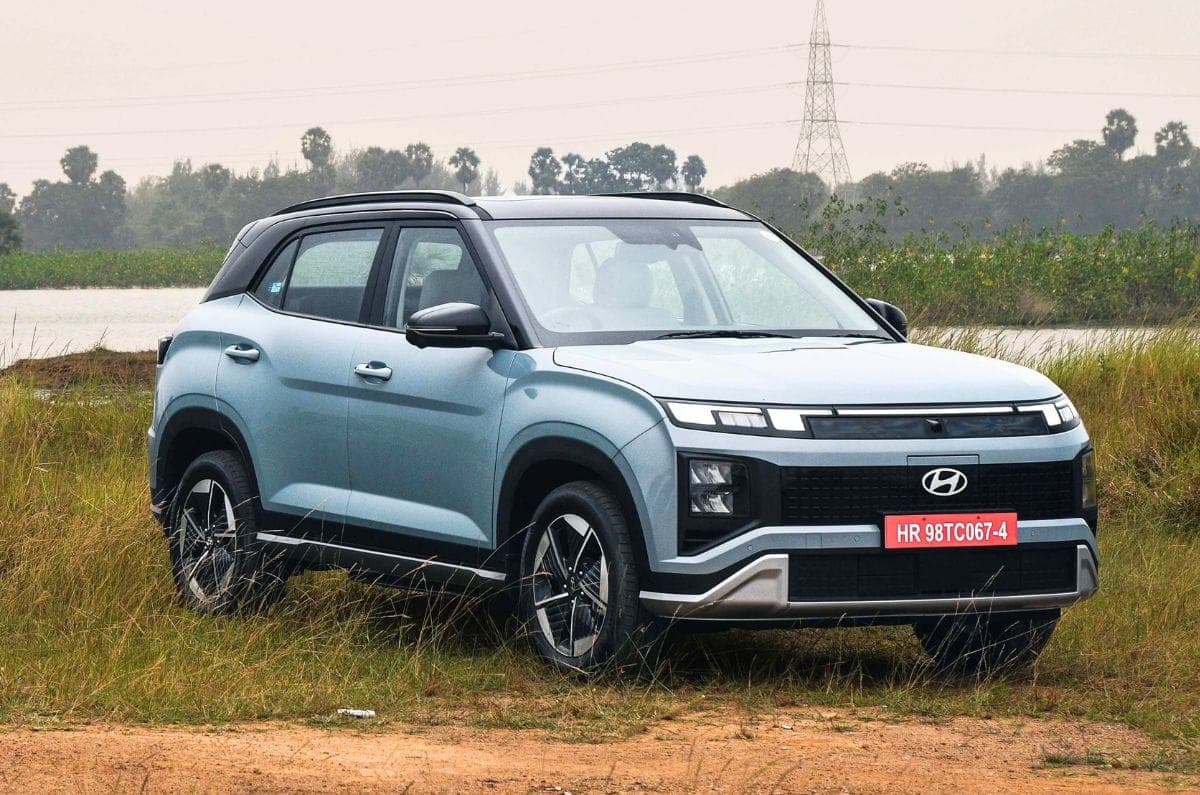
The Indian automotive landscape is witnessing a seismic shift as electric vehicles (EVs) transition from niche alternatives to mainstream contenders. At the heart of this revolution is Hyundai Motor India, which has just played its masterstroke. The highly anticipated Hyundai Creta Electric has been introduced with an innovative Battery-as-a-Service (BaaS) pricing model, bringing the starting price of this mid-size electric SUV down to an unbelievable Rs 10.99 lakh (ex-showroom).
By separating the cost of the vehicle shell from the high upfront cost of the battery pack, Hyundai has effectively leveled the playing field against traditional Internal Combustion Engine (ICE) SUVs. With a running battery charge of just Rs 3.90 per kilometre, the Creta Electric is primed to disrupt not only the EV segment but also the lucrative mid-size ICE SUV market.
For years, the high initial acquisition cost of electric cars has been the single biggest hurdle for mass adoption in India. The battery pack of an EV generally accounts for 30% to 40% of its total manufacturing cost. Under a conventional buying model, customers have to pay for this battery upfront, pushing EV prices significantly higher than their petrol or diesel counterparts.
Battery-as-a-Service (BaaS) completely flips this equation. When you purchase the Hyundai Creta Electric under the BaaS scheme:
Lower Upfront Cost: You only pay for the car's body, chassis, and electronic systems (Rs 10.99 lakh).
Battery Ownership: The battery remains the property of Hyundai's partnered energy providers or financial institutions.
Pay-as-you-Go Rental: You rent the battery by paying a fixed usage charge based on the distance you drive. In the case of the Creta Electric, this rate is fixed at Rs 3.90 per kilometre.
To understand how financially viable this model is, let us calculate the monthly running cost for a typical Indian car buyer who drives roughly 1,500 kilometres per month.
Monthly Battery Rental Cost: 1,500 km x Rs 3.90 = Rs 5,850
Electricity Charging Cost (Approx. Rs 1.20 per km): 1,500 km x Rs 1.20 = Rs 1,800
Total Monthly Operational Cost: Rs 5,850 (Rental) + Rs 1,800 (Electricity) = Rs 7,650
In comparison, a petrol-powered mid-size SUV averaging a real-world mileage of 12 km/l with petrol priced at Rs 100 per litre would cost:
Monthly Petrol Cost: (1,500 km / 12) x Rs 100 = Rs 12,500
Even with the battery rental fee added to the electricity charging costs, the Creta Electric remains significantly cheaper to run than a petrol SUV, saving the owner nearly Rs 4,850 every single month, while requiring a much smaller initial investment.
While Hyundai has made headlines with the starting price of Rs 10.99 lakh under the BaaS model, the company has not yet provided a detailed, variant-wise pricing structure. Historically, Hyundai structures its variants from entry-level 'E' or 'S' trims up to top-tier 'SX' and 'SX(O)' trims.
We expect the Creta Electric to follow a similar hierarchy, offering varying levels of features, safety tech, and premium creature comforts across different price points.
Executive/S Trim (Base): Expected to focus heavily on utility, offering digital instrument clusters, essential safety suites, and standard infotainment systems. This will be the absolute sweet spot for fleet operators and budget-conscious buyers aiming for the Rs 10.99 lakh BaaS entry price.
SX Trim (Mid): Will likely add alloy wheels, LED lighting signatures, panoramic sunroof options, and upgraded connected car tech.
SX(O) Trim (Top): Expected to feature the signature dual 10.25-inch screens, Level 2 ADAS (Advanced Driver Assistance Systems), ventilated front seats, and a premium Bose sound system.
For buyers who prefer a hassle-free, single-payment ownership cycle, Hyundai will also offer the Creta Electric with an outright purchase option (including the battery). While official prices for the outright purchase have not been declared, industry experts estimate it to start around Rs 16.50 lakh to Rs 17.50 lakh, depending on the battery capacity offered.
The Creta Electric is built on a heavily modified version of the K2 platform, which currently underpins the highly successful ICE Creta. This ensures structural rigidity, excellent space packaging, and a familiar, reassuring driving dynamic.
Battery Pack Capacity: 45 kWh to 50 kWh Lithium-Ion
Electric Motor Type: Permanent Magnet Synchronous Motor (PMSM)
Power Output: ~138 bhp (103 kW)
Peak Torque: ~255 Nm
Claimed Range (MIDC): ~400 km to 450 km on a single charge
Real-World Range: ~300 km to 320 km
Transmission: Single-speed automatic
Drivetrain: Front-Wheel Drive (FWD)
Hyundai is planning to equip the Creta Electric with versatile charging capabilities to minimize range anxiety:
DC Fast Charging (50 kW): 10% to 80% charge in approximately 45-50 minutes.
AC Wallbox Charger (7.2 kW): 0% to 100% charge in approximately 7 to 8 hours (perfect for overnight home charging).
Standard Portable Charger: Can be plugged into any standard 15A socket for emergency charging.
With the introduction of BaaS, the Creta Electric finds itself in a highly competitive bracket, directly challenging established EV champions like the MG Windsor EV (which pioneered BaaS in India) and the Tata Curvv EV.
Feature / MetricHyundai Creta EV (BaaS)MG Windsor EV (BaaS)Tata Curvv EV (Outright)Starting Price (Ex-Showroom)Rs 10.99 LakhRs 9.99 LakhRs 17.49 LakhBattery Rental RateRs 3.90 / kmRs 3.50 / kmN/A (Included)Expected Battery Size~45-50 kWh38 kWh45 - 55 kWhEstimated MIDC Range400 - 450 km331 km502 - 585 kmADAS CapabilityYes (Level 2 - Top variant)NoYes (Level 2)
While the MG Windsor EV remains slightly cheaper at a starting price of Rs 9.99 lakh with a Rs 3.50/km battery rate, the Hyundai Creta Electric offers a larger road presence, premium brand value, a more extensive service network, and potentially longer real-world range. On the other hand, the Tata Curvv EV offers a stunning coupe-SUV design and larger battery options, but commands a far higher upfront acquisition cost.
Step inside the Creta Electric, and you will be greeted by a cabin that feels both futuristic and reassuringly premium. Hyundai has kept the core ergonomic layout of the ICE Creta but has added key electric-themed highlights to give it a distinct identity.
Dual-Screen Layout: High-resolution 10.25-inch digital driver’s display paired with a 10.25-inch touchscreen infotainment unit supporting wireless Apple CarPlay and Android Auto.
Shift-by-Wire Selector: A sleek rotary or column-mounted gear selector replaces the traditional gear lever, freeing up massive storage space in the center console.
Panoramic Sunroof: A massive voice-enabled panoramic sunroof that bathes the cabin in natural light.
Ventilated Seats: Perfect for harsh Indian summers, ensuring the driver and front passenger travel in absolute comfort.
Hyundai has left no stone unturned in making the Creta Electric one of the safest vehicles in its segment. The electric SUV is expected to pack:
6 Airbags as standard across all variants.
Level 2 ADAS Suite featuring Lane Keep Assist, Forward Collision Avoidance, Blind Spot Monitoring, and Adaptive Cruise Control.
360-degree Surround View Camera with blind-view monitor.
Electronic Stability Control (ESC), Hill-Start Assist, and All-Wheel Disc Brakes.
The introduction of BaaS for the Hyundai Creta Electric is an absolute game-changer, but is it the right choice for every buyer? Let’s break it down.
Budget-Conscious Buyers: If you want a premium mid-size SUV experience but have a strict budget of Rs 11-12 lakh, the BaaS option makes the Creta Electric an unbeatable value proposition.
Moderate to High Daily Churn: If you drive 1,000 to 2,000 km per month, the combined rental and charging costs will still keep your monthly running bills significantly lower than a petrol or diesel SUV.
Tech-Adopters with Battery Anxiety: Since you do not own the battery, any long-term battery degradation risks are borne by the manufacturer/partner, giving you complete peace of mind.
Extremely High-Mileage Drivers: If your daily running is exceptionally high (e.g., over 3,000 km per month), the accumulated Rs 3.90/km rental charges might eventually match or exceed a standard EMI payment. Outright purchase makes more long-term financial sense here.
Uncluttered Ownership Seekers: If you prefer paying once and having absolutely zero recurring monthly bills or distance tracking, the traditional outright purchase remains the ideal hassle-free choice.
Hyundai's bold step with the Creta Electric has undeniably shook up the Indian automotive industry. By pricing it at Rs 10.99 Lakh with BaaS, they have democratized high-quality electric mobility, making it a compelling, future-proof choice for millions of Indian households.
 Buying Guides
Used electric cars are depreciating fast in India. Here is how to find a high-quality pre-owned EV, run diagnostics on the battery, and avoid massive replacement bills.
 Buying Guides
Demystifying the real cost of buying a car in India. Learn the truth about ex-showroom markups, automatic gearboxes, NCAP safety, and how to negotiate with dealers.
 News
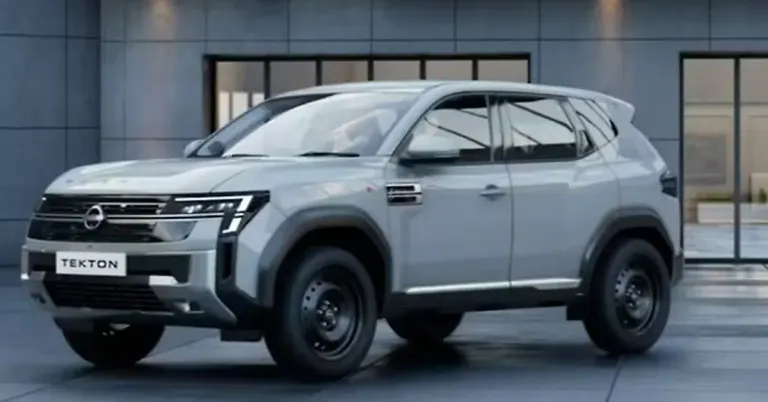
NewsNissan's upcoming Tekton SUV aims to disrupt the mid-size segment. We take an in-depth, comprehensive look at the entry-level base variant to see if it delivers real value.