Did you know?
The McLaren F1 still holds the record as the fastest naturally-aspirated car.
AutoThrust India
The latest car launches, in-depth reviews, variant price updates, and expert insights from India's roads.
Did you know?
The average car has around 30,000 individual parts.
Did you know?
The McLaren F1 still holds the record as the fastest naturally-aspirated car.
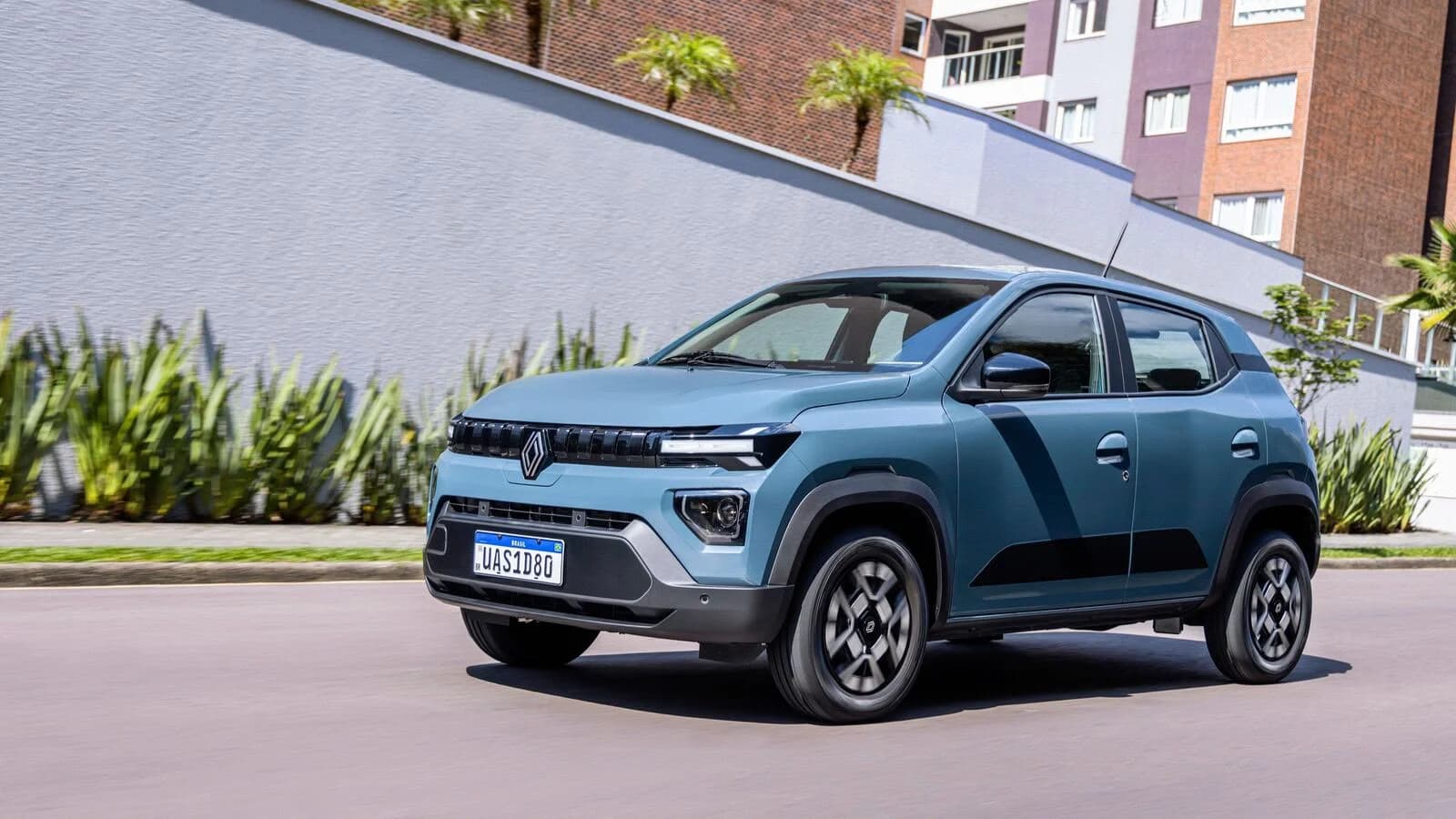
New Delhi, India – The buzz in the Indian automotive market is palpable as Renault India officially announces the debut of the Kwid facelift on July 3, 2026. This highly anticipated refresh comes at a crucial time for the entry-level hatchback segment, where the Kwid has long carved out a niche with its SUV-inspired styling and commendable practicality. AutoThrust India brings you an in-depth look at what to expect from this significant update, based on reliable sources and intriguing spy shots.
The Renault Kwid has been a game-changer since its initial launch, democratizing many features previously reserved for higher segments. With the facelift, Renault aims to reinvigorate its appeal, offering a blend of modern aesthetics, enhanced comfort, and the trusted performance that has made it a household name.
Mark your calendars! July 3, 2026, will be the day Renault pulls the covers off the new Kwid facelift. While specific details remain under wraps, the company's decision to launch mid-week indicates a strategic move to capture maximum media attention and consumer interest. This launch isn't just about a new car; it's about Renault's renewed commitment to the competitive Indian small car market, a segment crucial for first-time buyers and urban commuters alike.
The current Kwid, while still a strong contender, faces stiff competition from rivals like the Maruti Suzuki Alto K10 and S-Presso. A comprehensive facelift is exactly what the doctor ordered to keep it relevant and appealing to the evolving demands of Indian car buyers.
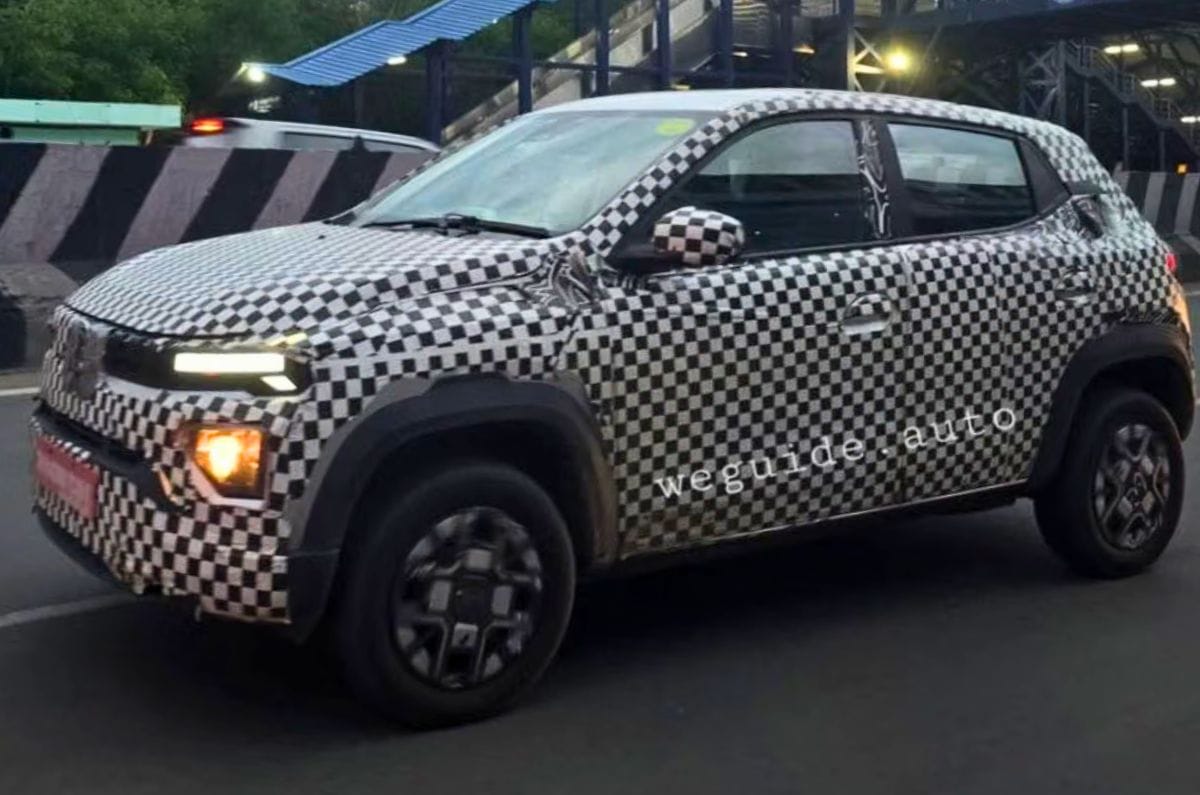
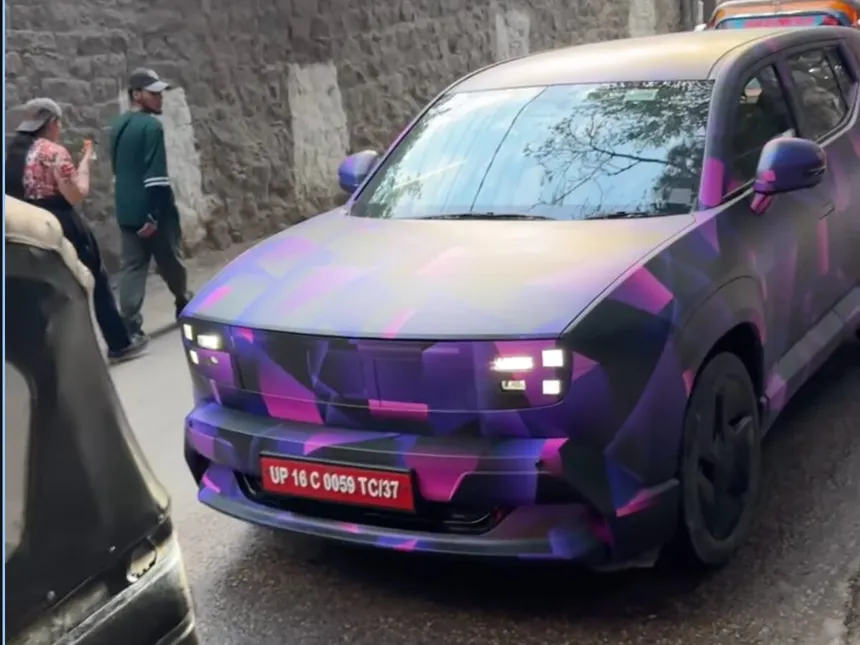
One of the most exciting aspects of the upcoming Kwid facelift, heavily hinted at by previous spy shots, is a potential design influence from the Dacia Spring electric car, sold in European markets. This suggests a more contemporary and robust exterior styling, aligning with global design trends.
Expect a completely revamped front fascia, possibly featuring a split headlamp setup – a design cue gaining popularity across various segments. The upper cluster could house sleek LED daytime running lights (DRLs), while the main headlamp unit might be positioned lower on the bumper. The grille is also likely to undergo significant changes, potentially adopting a more aggressive and prominent design language that enhances the Kwid's mini-SUV stance.
Furthermore, sources indicate the inclusion of Y-shaped design elements. These could manifest as distinctive Y-shaped LED DRLs at the front or uniquely styled Y-shaped LED taillights at the rear, adding a signature modern touch to the car's overall appearance. New alloy wheel designs, updated bumpers, and potentially fresh exterior colour options are also on the cards, ensuring the facelifted Kwid turns heads on the road.
While the exterior hints at a significant overhaul, the interior of the Kwid facelift is also poised for a substantial upgrade. Renault understands that modern buyers expect more than just practicality; they demand comfort, connectivity, and a premium feel, even in an entry-level car.
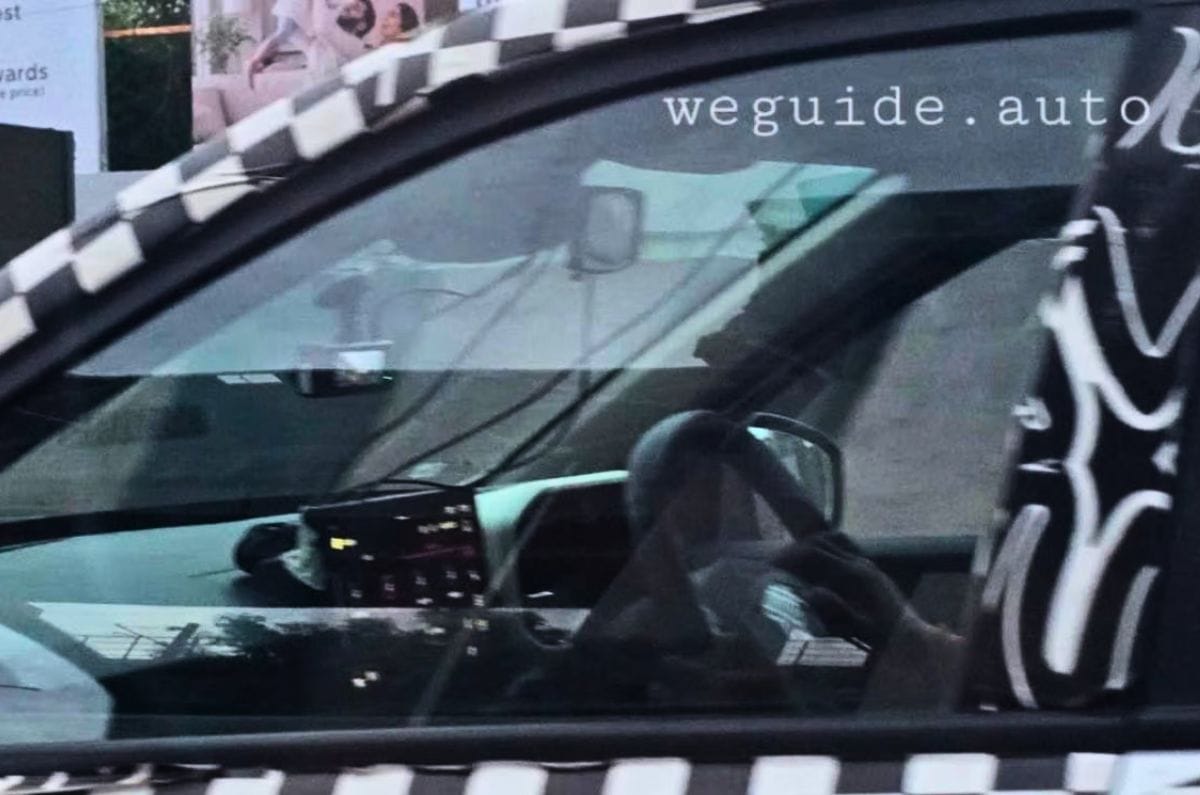
The biggest interior change is expected to be a revamped dashboard layout. This could include a larger, more sophisticated touchscreen infotainment system, possibly an 8-inch or even a 9-inch unit, offering Apple CarPlay and Android Auto compatibility as standard or optional across variants. A new digital instrument cluster similar to those seen in other modern Renault offerings might replace the current semi-digital unit, providing a more futuristic and information-rich display.
Beyond the tech, expect improved material quality, enhanced upholstery options, and better ergonomics. A new steering wheel design, refined HVAC controls, and possibly updated door trims could contribute to a more premium cabin ambiance. Renault might also introduce additional storage solutions and improved sound insulation, making the Kwid's cabin a more pleasant place to be for both driver and passengers.
For those wondering about the powertrain, the Kwid facelift is expected to continue with the same 1-litre SCe (Smart Control Efficiency) petrol engine. This three-cylinder unit has been a reliable workhorse for the Kwid, known for its fuel efficiency and adequate performance for city driving conditions.
The current 1.0-litre engine produces around 68 PS of power and 91 Nm of torque, paired with either a 5-speed manual or a 5-speed AMT (Automated Manual Transmission). While no major mechanical changes are anticipated, Renault might fine-tune the engine for improved refinement, better NVH (Noise, Vibration, and Harshness) levels, and stricter emission norms (BS6 Phase 2 compliance is already in place). This strategy allows Renault to keep production costs in check, which is crucial for maintaining the Kwid's competitive pricing in its segment.
Engine: 1.0-litre SCe Petrol
Power Output: ~68 PS
Torque Output: ~91 Nm
Transmission: 5-speed Manual, 5-speed AMT (Automated Manual Transmission)
Exterior Design Cues: Dacia Spring-inspired front fascia, split headlamp setup, Y-shaped LED DRLs/Taillights, refreshed grille, updated bumpers, new alloy wheel designs.
Interior Upgrades: Larger touchscreen infotainment system (potentially 8-inch or 9-inch), digital instrument cluster, updated upholstery, enhanced material quality, new steering wheel, improved storage solutions.
Safety Features (Standard): Dual airbags, ABS with EBD, Reverse Parking Sensors, Speed Alert System, Seatbelt Reminders.
Safety Features (Higher Variants): Potentially side airbags, ESC (Electronic Stability Control).
Connectivity: Likely integrated connected car features (Renault's Easy Link or similar).
Expected Dimensions: Similar to current Kwid (Length ~3731mm, Width ~1579mm, Height ~1490mm-1513mm, Wheelbase ~2422mm).
The facelifted Kwid will likely retain its current variant nomenclature, possibly including RxE, RxL, RxT, and the more rugged Climber editions. Each variant will offer a progressive set of features, catering to different budget segments.
Given the significant design and feature upgrades, a marginal price increase is highly probable. The current Kwid starts from around ₹4.70 Lakh (ex-showroom). We can expect the facelifted model to start closer to ₹4.90 Lakh or ₹5.00 Lakh (ex-showroom) for the base variants, potentially going up to ₹6.50 Lakh - ₹7.00 Lakh (ex-showroom) for the top-end Climber AMT. Despite the increase, Renault will undoubtedly aim to maintain a highly competitive price point to undercut or match its key rivals, offering superior styling and features for the price.
Kwid RxE: Basic safety, manual AC, essential features.
Kwid RxL: Adds power windows, central locking, basic infotainment.
Kwid RxT: Adds larger touchscreen, rear parking camera, keyless entry.
Kwid Climber: Cosmetic enhancements (roof rails, skid plates, contrast accents), possibly more advanced features like push-button start, more airbags in top-spec.
The Kwid has consistently been a strong performer for Renault in India, appealing primarily to first-time car buyers, small families, and those seeking an affordable yet stylish urban commute. Its SUV-like stance, high ground clearance, and spacious cabin for its class have always been major selling points.
The facelift is critical for several reasons:
Market Relevance: It refreshes the product in a highly competitive segment, allowing it to compete effectively against updated rivals.
Brand Image: A stylish and feature-rich Kwid enhances Renault's overall brand perception in India.
Sales Volume: The Kwid is a volume driver for Renault; a successful facelift can significantly boost sales figures.
Customer Expectations: Indian buyers are increasingly sophisticated, even in the entry segment. The facelift addresses these evolving demands for better design, features, and safety.
Safety has become a non-negotiable aspect for Indian car buyers. While mandatory norms ensure basic safety features like dual airbags, ABS with EBD, and reverse parking sensors are standard, Renault might go a step further. We could see the introduction of Electronic Stability Control (ESC) in higher variants, especially with the upcoming safety regulations. Additionally, side airbags could be a premium offering, enhancing occupant protection.
On the technology front, the facelifted Kwid is expected to be more connected. Integration of Renault's Easy Link connected car technology (or a simplified version for the Kwid) could offer features like remote vehicle access, geofencing, and roadside assistance, further enhancing its value proposition for tech-savvy buyers.
The Renault Kwid facelift, scheduled for its grand unveiling on July 3, appears to be a well-thought-out evolution rather than a mere cosmetic tweak. With its anticipated Dacia Spring-inspired exterior, revamped interior, and continued focus on practical performance, the Kwid is poised to make a strong comeback in the entry-level hatchback segment.
AutoThrust India believes that if Renault prices the facelifted Kwid judiciously, it has all the ingredients to not only retain its loyal customer base but also attract new buyers looking for a modern, stylish, and feature-packed urban companion. The battle for the small car crown is about to get even more exciting, and the Kwid facelift is ready to throw its hat back into the ring with renewed vigour. Stay tuned to AutoThrust India for the full review and official details post-launch!
Disclaimer: All details regarding specifications, features, and pricing are based on current market speculation, spy shots, and industry insights. Official details will be confirmed upon the vehicle's launch on July 3.
 News
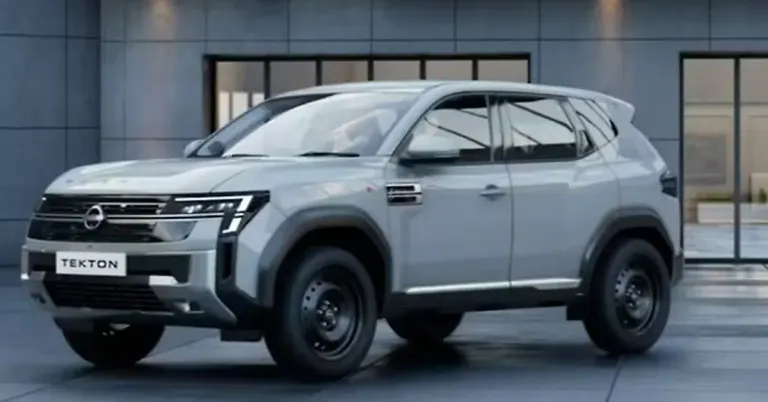
NewsNissan's upcoming Tekton SUV aims to disrupt the mid-size segment. We take an in-depth, comprehensive look at the entry-level base variant to see if it delivers real value.
 News
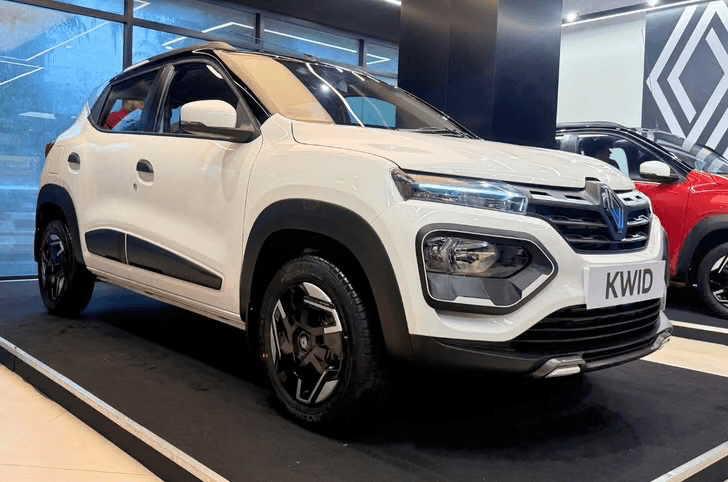
NewsRenault has introduced the updated Kwid in India with prices starting at ₹4.52 lakh (ex-showroom), while the rugged Climber variant is priced from ₹4.99 lakh. The entry-level hatchback continues to offer SUV-inspired styling, practical features, and an affordable price, making it an attractive option for first-time car buyers
 News
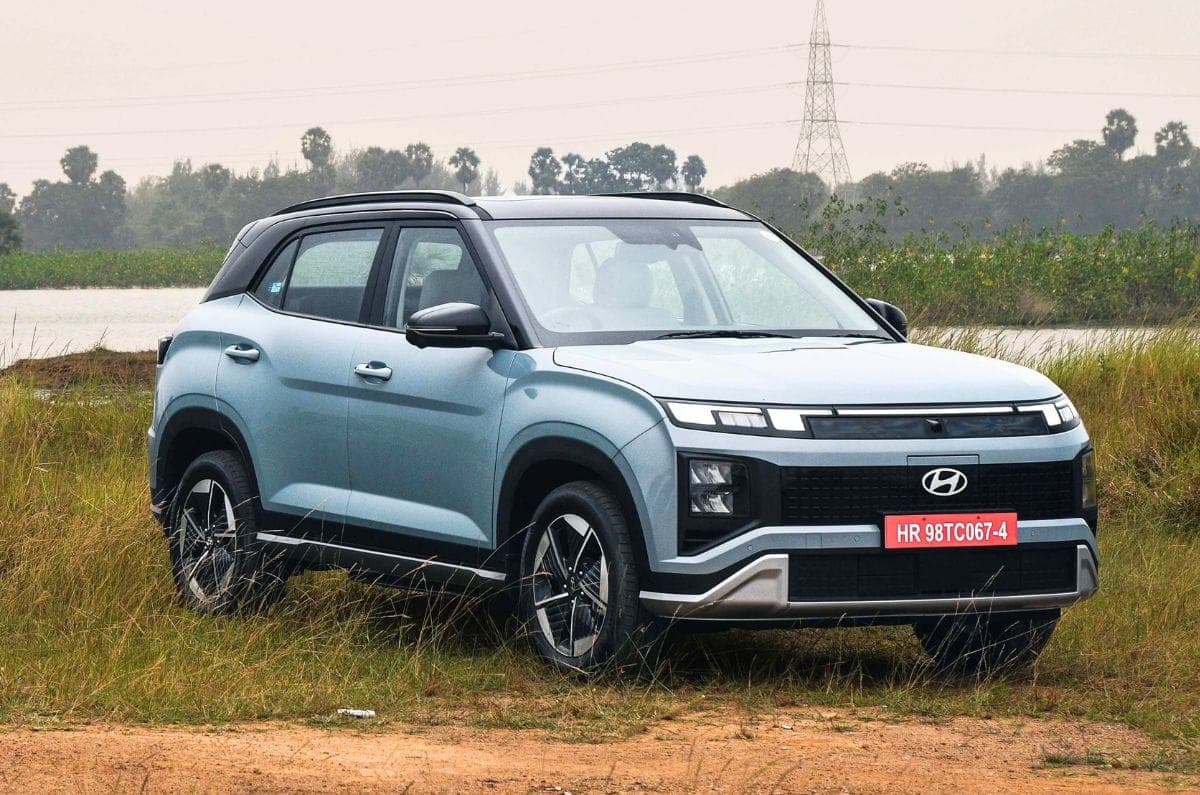
NewsHyundai disrupts the Indian EV space by introducing the Creta Electric with Battery-as-a-Service (BaaS), slashing the entry barrier to an astonishing Rs 10.99 lakh.
 Launches
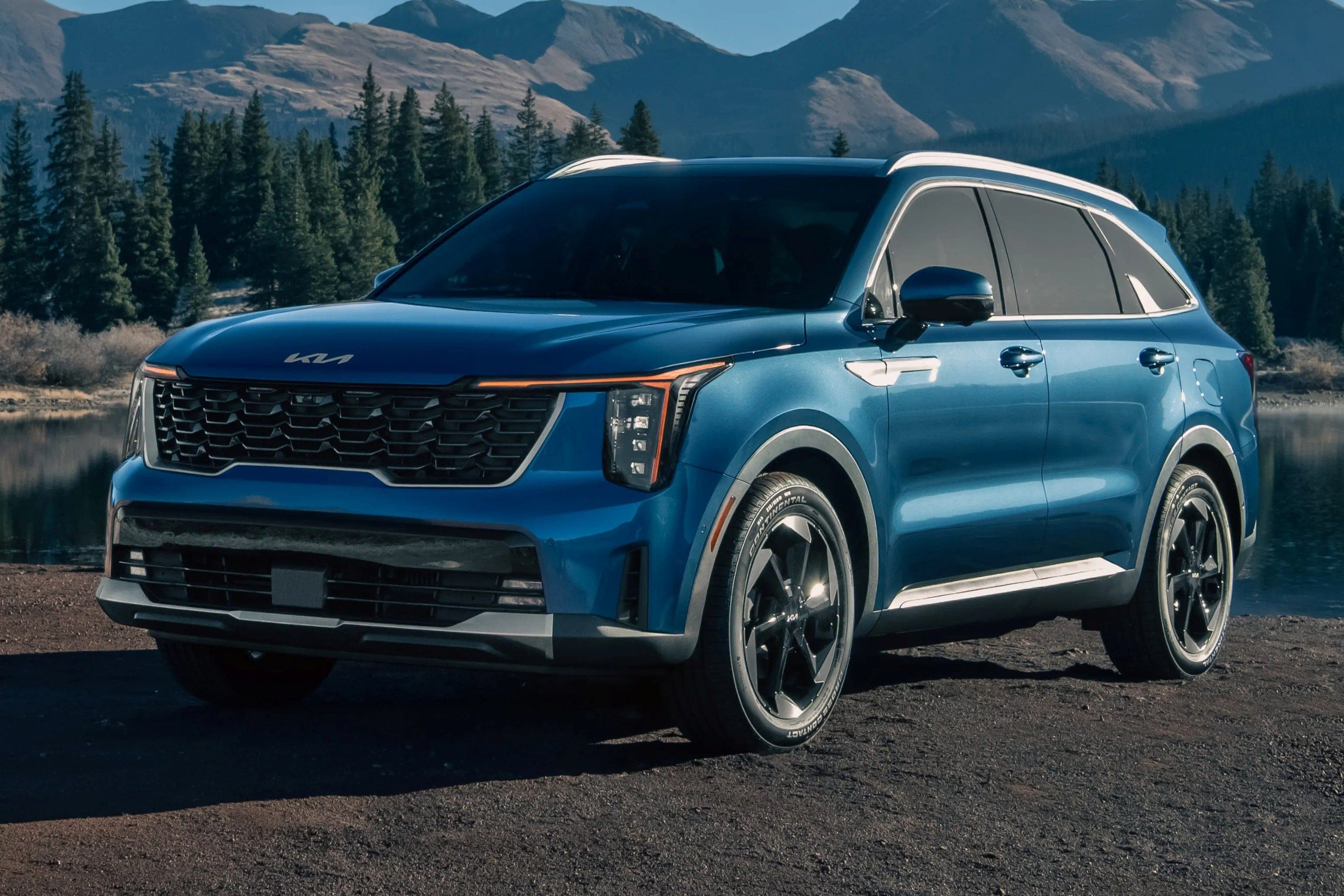
Kia India dealers have unofficially commenced bookings for the premium Sorento SUV at Rs 25,000. Read on for the expected launch date, specs, and price.