Did you know?
Regenerative braking lets EVs recharge their batteries while slowing down.
AutoThrust India
The latest car launches, in-depth reviews, variant price updates, and expert insights from India's roads.
Did you know?
The Nürburgring Nordschleife in Germany has 154 corners.
Did you know?
Regenerative braking lets EVs recharge their batteries while slowing down.
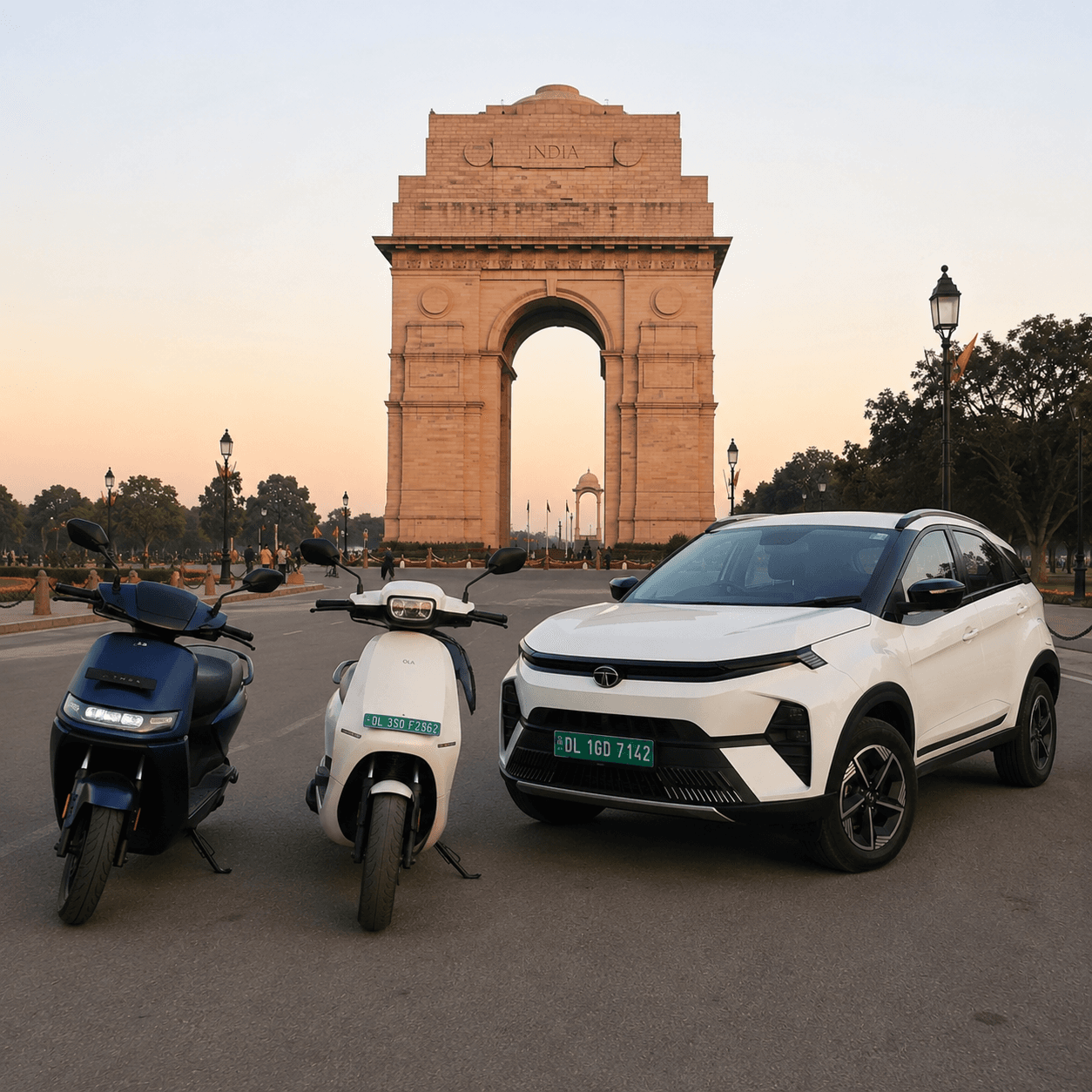
The Delhi government has officially approved its new Electric Vehicle (EV) Policy, marking one of the biggest shifts in the capital's transportation strategy. The policy, cleared by the Delhi Cabinet, will come into effect on July 1, 2026, after receiving approval from the Lieutenant Governor. It will remain valid until March 31, 2030, with an estimated implementation cost of nearly ₹7,000 crore.
One of the most significant announcements under the new policy is that new petrol and CNG-powered two-wheelers will no longer be eligible for registration in Delhi from April 1, 2028. From that date onward, only electric motorcycles and scooters can be registered in the national capital.
The government says this phased transition is aimed at improving air quality by gradually replacing conventional vehicles with cleaner electric alternatives instead of imposing an immediate ban.
The policy also introduces earlier deadlines for commercial transport. Starting January 1, 2027, Delhi will allow registration only for electric autorickshaws and N1-category electric goods vehicles. This move is expected to reduce emissions from commercial transportation, which contributes significantly to urban pollution.
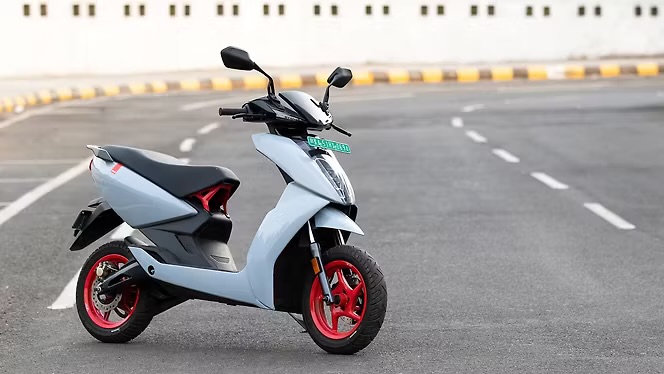
To encourage faster EV adoption, the Delhi government has announced a range of financial incentives. Buyers of electric two-wheelers can receive incentives of up to ₹30,000, while those purchasing electric autorickshaws may receive benefits of up to ₹50,000. Commercial buyers of N1-category electric vehicles will be eligible for incentives of around ₹1 lakh.
Vehicle owners who scrap an old vehicle while purchasing a new electric vehicle will receive additional incentives under the policy. Furthermore, fully electric vehicles will continue to enjoy complete exemption from road tax and registration charges.
However, these benefits are available only for battery electric vehicles (BEVs). Hybrid vehicles have not been included in the subsidy programme.
Unlike some previous incentive schemes, the new EV policy does not specify a cap on the number of electric vehicles eligible for benefits. This means eligible buyers can claim incentives on multiple EV purchases, subject to the policy's conditions.
To support the increasing number of electric vehicles, the government plans to establish 23,000 public EV charging stations across Delhi by 2030. It also intends to strengthen the city's power infrastructure and gradually electrify school bus fleets to ensure the ecosystem is ready for widespread EV adoption.
Transport Minister Dr. Pankaj Singh stated that the policy has been designed while keeping the interests of Delhi residents in mind and urged citizens to embrace electric mobility.
Environment Minister Manjinder Singh Sirsa said the policy is backed by scientific studies and is expected to play a major role in reducing vehicular pollution in the capital.
Before the policy received final approval, industry bodies including the Federation of Automobile Dealers Associations (FADA) and the Society of Indian Automobile Manufacturers (SIAM) had requested the Delhi government to reconsider certain proposals. They argued that modern BS6-compliant vehicles are significantly cleaner than older vehicles and that removing ageing vehicles from the roads would have a greater impact on improving air quality than restricting registrations of new petrol-powered models.
With the policy now approved, Delhi is set to become one of India's most aggressive markets for electric mobility, accelerating the transition towards a cleaner and more sustainable transportation ecosystem over the next few years.
 Buying Guides
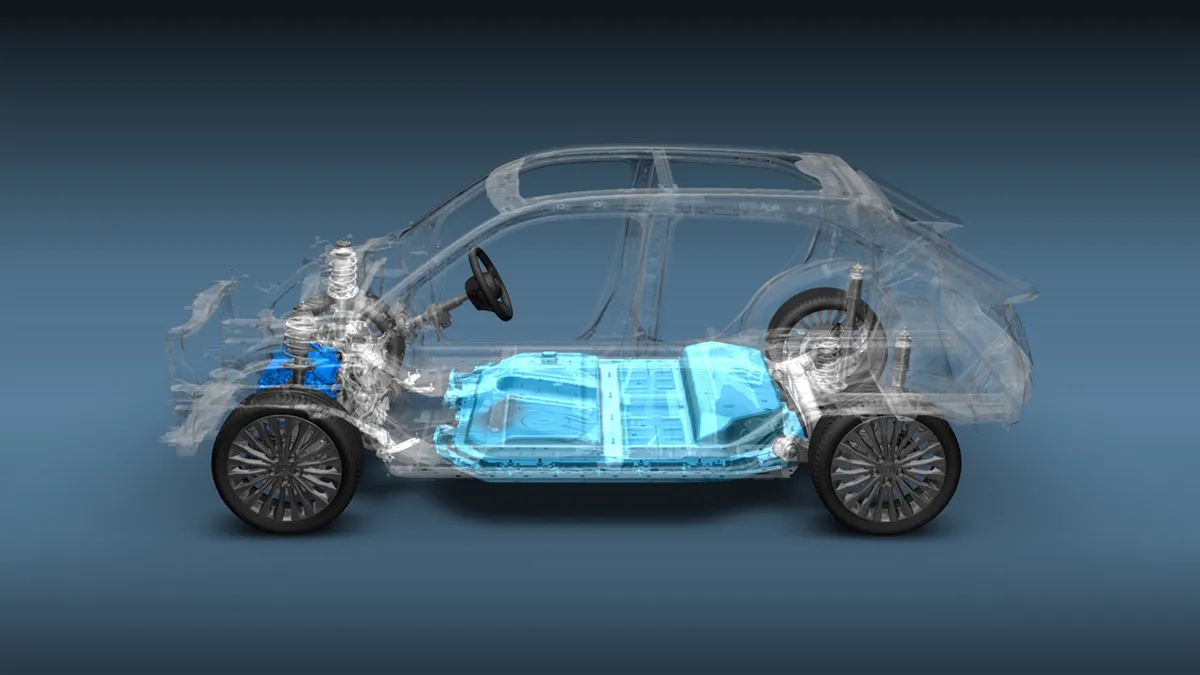
Used electric cars are depreciating fast in India. Here is how to find a high-quality pre-owned EV, run diagnostics on the battery, and avoid massive replacement bills.
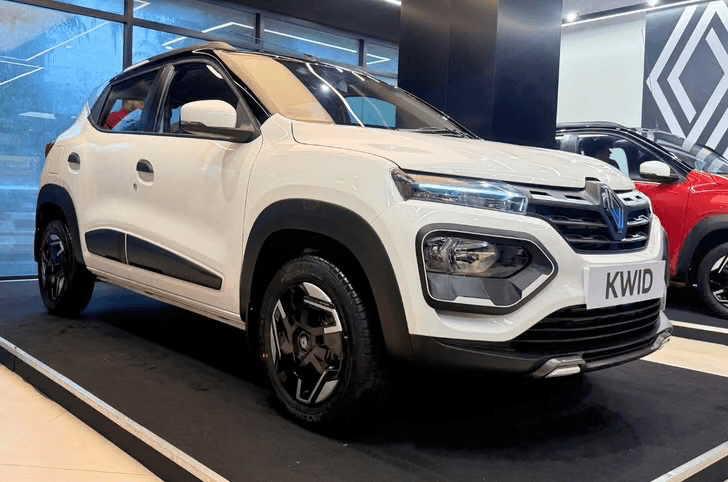 News
NewsRenault has introduced the updated Kwid in India with prices starting at ₹4.52 lakh (ex-showroom), while the rugged Climber variant is priced from ₹4.99 lakh. The entry-level hatchback continues to offer SUV-inspired styling, practical features, and an affordable price, making it an attractive option for first-time car buyers
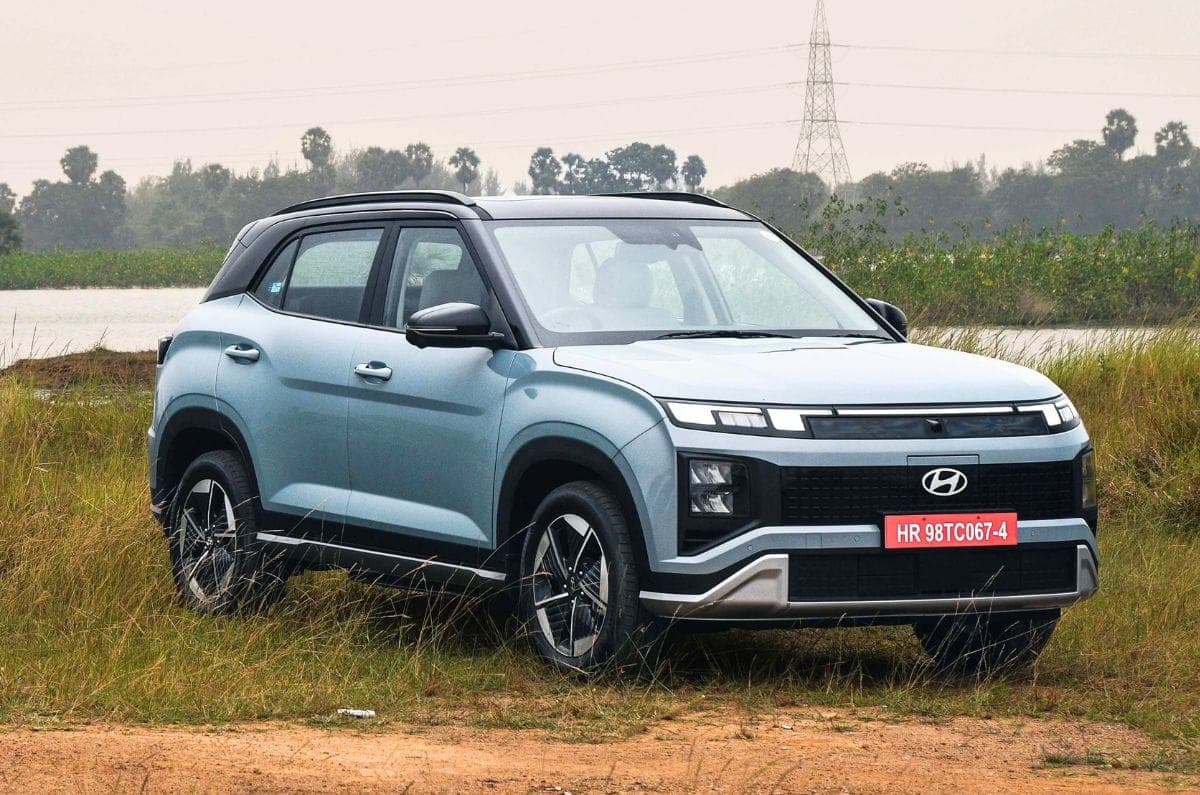 News
NewsHyundai disrupts the Indian EV space by introducing the Creta Electric with Battery-as-a-Service (BaaS), slashing the entry barrier to an astonishing Rs 10.99 lakh.