Did you know?
The Porsche 911 has kept its rear-engine layout for over 60 years.
AutoThrust India
The latest car launches, in-depth reviews, variant price updates, and expert insights from India's roads.
Did you know?
Lamborghini originally built tractors before making supercars.
Did you know?
The Porsche 911 has kept its rear-engine layout for over 60 years.
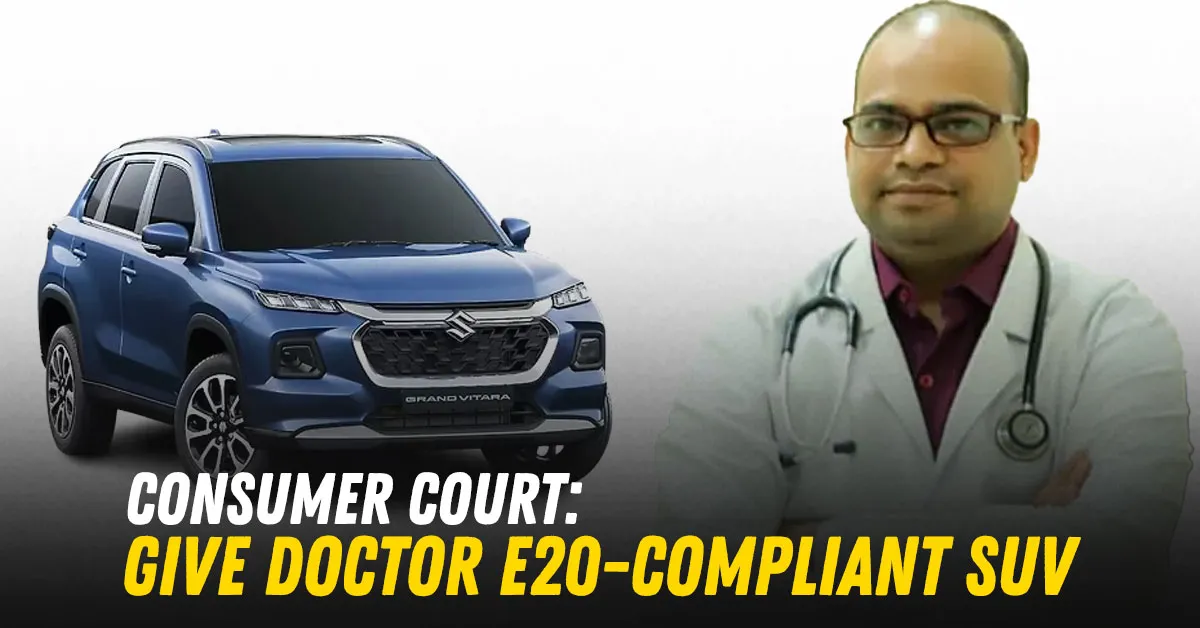
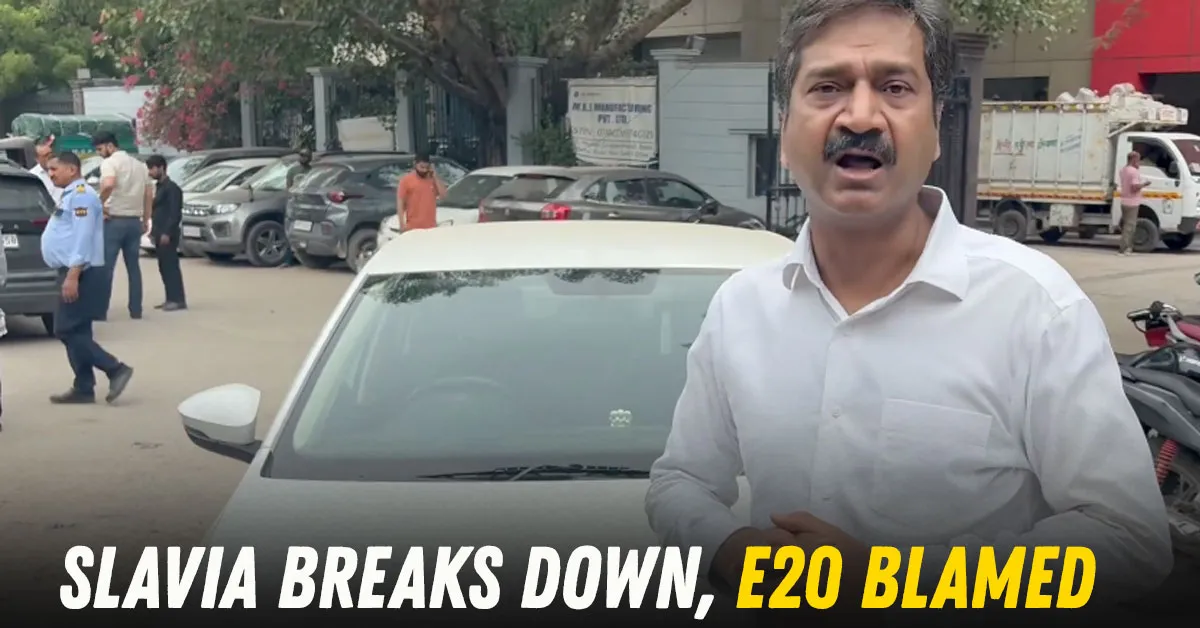
The news has reverberated through the Indian automotive landscape like a high-revving engine missing a beat: a court has ordered Maruti Suzuki to replace a Grand Vitara after it suffered breakdowns attributed to E20 petrol. This isn't just another headline; it's a seismic event for every car buyer and owner in India, particularly those considering or already using E20 fuel. For us at AutoThrust India, having seen the market evolve for over a decade, this isn't merely a corporate directive; it's a critical test of manufacturer claims, consumer protection, and the practicality of our government's ambitious ethanol blending program.
This ruling doesn't just put one specific car model under the microscope; it throws open a crucial debate about what 'E20 compliant' truly signifies. When a major manufacturer, known for its bulletproof reliability and vast service network, is compelled by legal authority to replace a relatively new vehicle over a fuel compatibility issue, it's time to pause and reconsider our assumptions about vehicle longevity and the fuels we put into them. This incident raises urgent questions about the real-world implications of E20 fuel on vehicles across the board and fundamentally shifts the narrative around manufacturer accountability.
The core of the story is stark: a Maruti Grand Vitara experienced breakdowns, these were linked to the use of E20 petrol, and a court has subsequently ordered Maruti Suzuki to replace the vehicle. While the specific technical details of the breakdown and the court's full reasoning aren't publicly detailed, the outcome itself is monumental. It establishes a potent precedent: if a car marketed as E20 compatible fails due to that fuel, the manufacturer may be held liable, potentially to the extent of a full vehicle replacement.
For years, the Indian government has championed E20 fuel, a blend of 20% ethanol and 80% petrol, as a strategic move towards reducing crude oil imports and curbing emissions. Manufacturers have, in turn, begun labelling many of their newer models as 'E20 compliant'. The expectation, naturally, has been that these vehicles would perform reliably with the higher ethanol blend. This court order directly challenges that expectation, implying that 'compliance' on paper may not always translate to flawless performance on the road. It forces both manufacturers and consumers to re-evaluate the fine print, moving beyond simple labels to understand the true robustness of E20 compatibility.
This court order casts a long shadow, especially for current Maruti Grand Vitara owners and those eyeing the popular mid-size SUV. If you own an E20-compliant Grand Vitara and have been using E20 petrol, this news will undoubtedly spark concern. While one isolated incident doesn't signify a fleet-wide defect, it highlights a potential vulnerability that needs careful monitoring. We strongly advise current owners to be vigilant about any unusual engine behaviour, fuel efficiency drops, or warning lights. Ensure your vehicle adheres strictly to its service schedule, and retain all fuel purchase receipts, particularly if you exclusively use E20. Should you experience any issues, consult your service centre immediately, and be prepared to articulate your concerns clearly, referencing this public development.
For prospective Grand Vitara buyers, this development demands a more cautious and informed approach. The Grand Vitara, known for its sophisticated styling, feature-rich cabin, and the option of a strong hybrid powertrain (which uses a petrol engine as part of its system, and thus could also be filled with E20 petrol), has been a strong contender in its segment. However, this incident injects an element of doubt regarding the long-term reliability of its petrol-only or petrol-hybrid variants when running on E20 fuel. When you're at the dealership, don't just ask if the car is 'E20 compliant' – ask what specific safeguards are in place, what the warranty implications are regarding E20 fuel-related issues, and if Maruti has any specific advisories for E20 usage. Get clear answers, and ideally, get them in writing.
Furthermore, the long-term resale value of Grand Vitara models, particularly the petrol variants, could face a perception hit. While Maruti vehicles generally hold their value well thanks to brand trust and a vast service network, incidents like this can sow seeds of doubt among future buyers, potentially leading to slightly lower valuations until this issue is comprehensively addressed and confidence is restored.
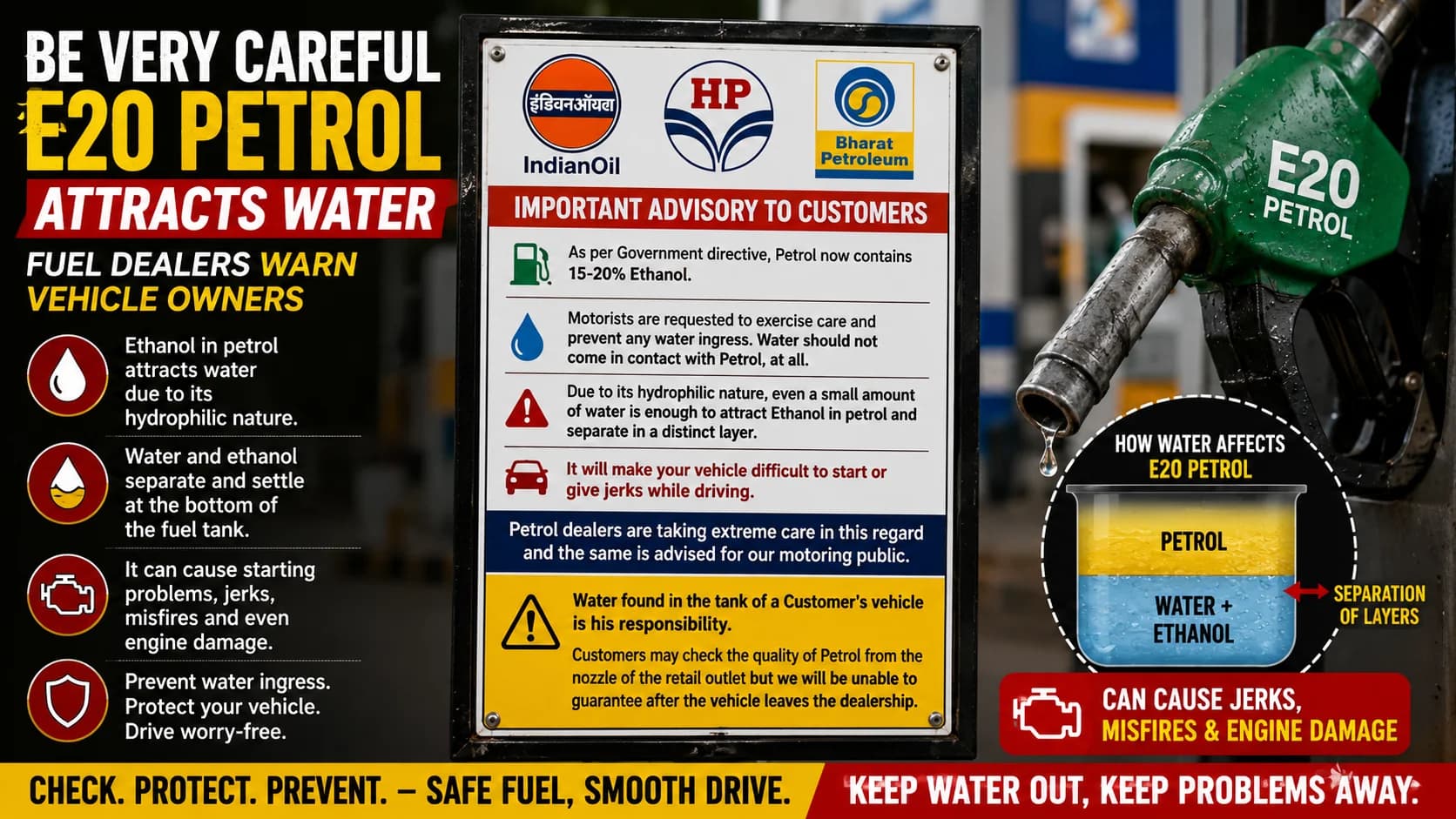
The government's push for E20 fuel is driven by national interest, but the transition isn't without its technical challenges. Ethanol is a more corrosive substance than pure petrol, and it can also absorb water, which can lead to issues like fuel line corrosion, degradation of rubber and plastic components, and even phase separation in the fuel tank. While newer vehicles are designed with materials supposedly resistant to E20, the court's ruling suggests that the real-world stresses and complexities might sometimes exceed laboratory testing. It underscores that 'E20 compliant' is not a blanket guarantee of trouble-free operation under all conditions and over an extended period. This incident serves as a stark reminder that even with advanced engineering, the shift to higher ethanol blends presents tangible risks if implementation or material resilience isn't absolute.
The Grand Vitara operates in one of India's most fiercely contested segments, going head-to-head with stalwarts like the Hyundai Creta, Kia Seltos, and its own platform sibling, the Toyota Urban Cruiser Hyryder. Its unique selling propositions include Maruti's expansive service network, a reputation for low maintenance costs, and a strong focus on fuel efficiency, especially with its hybrid option. This incident, however, challenges Maruti's long-held bastion of unquestioned reliability. While the Grand Vitara still offers a compelling package, especially for those prioritizing urban driveability and a refined cabin, potential buyers might now look more closely at rivals that haven't faced similar E20-related public scrutiny. For instance, while all manufacturers are pushing E20 compatibility, the absence of such a high-profile court order against rivals might tilt the perception in their favour, at least temporarily. Our take is that Maruti needs to address this issue with transparency and decisive action to safeguard the Grand Vitara's image and its broader brand trust.
This court order is a watershed moment. It signals a new era of accountability for car manufacturers concerning fuel compatibility claims. The E20 rollout is still underway, and millions of cars will eventually run on this blend. This ruling forces a critical re-evaluation: are all 'E20 compliant' cars truly ready for Indian driving conditions, varying fuel quality across pumps, and long-term exposure to the blend? We believe this will prompt other manufacturers to double-check their E20 compatibility claims and potentially lead to more robust testing and clearer disclaimers. It's a wake-up call that vehicle reliability extends beyond mechanical prowess; it now includes a critical interface with evolving fuel standards.
Demand Specificity: Don't settle for a generic 'E20 compliant' label. Ask your dealer for detailed information on how the vehicle's fuel system is specifically engineered for E20, and what the manufacturer's stance is on long-term E20 use and warranty coverage for related issues. If possible, get it in writing.
Monitor Performance: If you own an E20-compliant vehicle and use E20 fuel, pay close attention to engine performance, mileage, and any warning lights. Keep a log of your fuel purchases and any observed issues.
Know Your Rights: This court order establishes a significant precedent. Understand that consumers have recourse if a vehicle fails to perform as advertised, especially concerning fuel compatibility. Keep all service records and fuel bills as evidence.
Consider Your Driving Habits: If you regularly undertake long drives or operate your vehicle in extreme conditions, and you are reliant on E20 fuel, you might want to exercise extra caution or even consider models with proven, long-term E20 track records, or even alternative powertrains that might be less impacted by E20 (such as dedicated CNG or strong hybrid systems, although the latter still uses a petrol engine that would consume E20 petrol).
Stay Informed: The E20 landscape is evolving. Follow reliable automotive news sources like AutoThrust India for updates on manufacturer advisories, further court rulings, or government clarifications.
The court-ordered replacement of a Maruti Grand Vitara due to E20 petrol-related breakdowns is more than just a legal decision; it's a powerful statement on consumer protection and manufacturer responsibility in the face of evolving fuel standards. For AutoThrust India, this underscores the critical need for absolute transparency and robust engineering from every carmaker. While the Grand Vitara remains a strong contender in its segment, this incident injects a necessary dose of caution for buyers. Our take is clear: do your due diligence, ask the hard questions, and don't assume 'E20 compliant' guarantees flawless, long-term reliability. This ruling serves as a vital reminder that in the journey towards greener fuels, consumer trust and vehicle integrity must never be compromised. Maruti Suzuki, and indeed all manufacturers, now face heightened scrutiny to ensure that their E20 promises hold up on India's challenging roads. The ball is firmly in their court to restore absolute confidence.
A court ordered Maruti to replace a Grand Vitara after it suffered breakdowns attributed to E20 petrol, raising concerns about the vehicle's real-world compatibility with the fuel.
 News
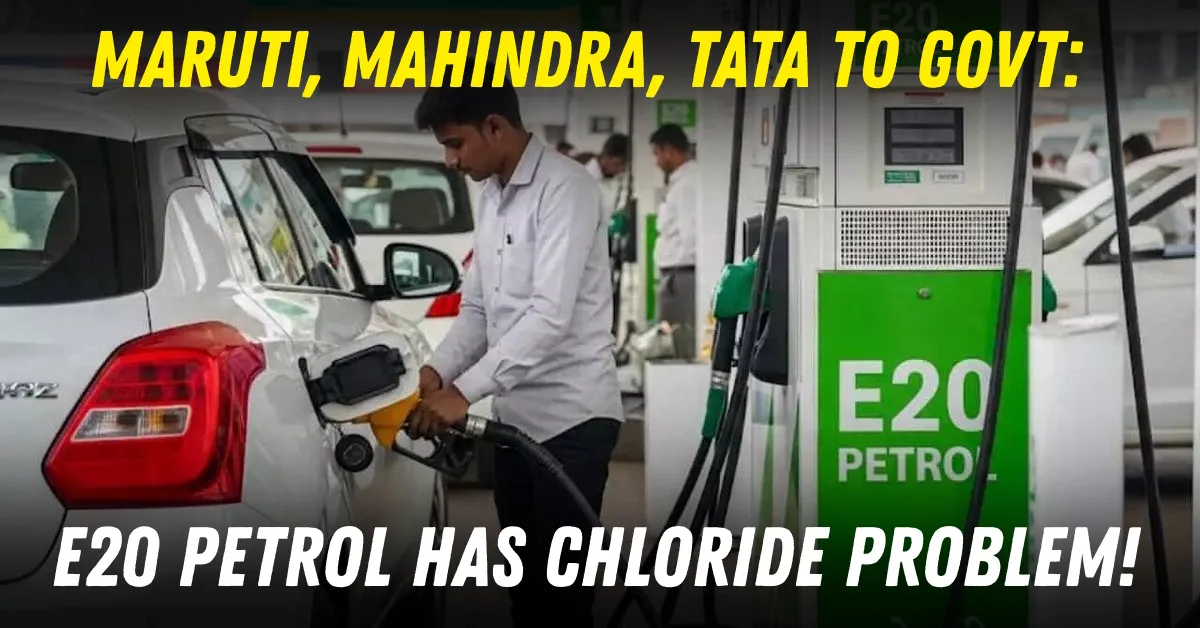
NewsIndia's biggest automakers — Maruti, Tata, Mahindra, and SIAM — have collectively raised a serious red flag: 'chloride issues' in E20 petrol. This isn't just a technical footnote; it's a direct challenge to E20's reliability and could impact your car's longevity and value.
 News
NewsOfficial data reveals Indian motorists were unknowingly using petrol with steadily increasing ethanol blends, long before E20 was formally announced. This quiet transition raises critical questions about transparency and its impact on your vehicle's performance and longevity.
No, but it highlights potential risks and challenges regarding manufacturer claims of 'E20 compliance', urging buyers to exercise caution and monitor their vehicles.
Owners should closely monitor their vehicle's performance, adhere strictly to service schedules, and retain fuel receipts. Report any unusual behaviour to the service centre immediately.
It puts Maruti's 'E20 compliant' claims and the Grand Vitara's perceived reliability under scrutiny, potentially affecting buyer confidence in their E20-ready petrol models.