Did you know?
A Formula 1 car can brake from 200 km/h to a standstill in about 4 seconds.
AutoThrust India
The latest car launches, in-depth reviews, variant price updates, and expert insights from India's roads.
Did you know?
A car's tyres can heat up to over 100°C during hard track driving.
Did you know?
A Formula 1 car can brake from 200 km/h to a standstill in about 4 seconds.
For years, the chatter around India's fuel transition revolved around E10 and the eventual shift to E20. We, like many motorists across the country, operated under a simple premise: until E20 became the official norm, we were primarily filling up with E10 petrol. It seemed straightforward enough.
Then came the revelation. Official government data, recently brought to light, paints a very different picture. The jump to E20 wasn't a sudden, national switch. Instead, it was a gradual, almost invisible creep, happening right under our noses, without explicit public disclosure. This isn't just about the blend itself; it's fundamentally about consumer information and trust.
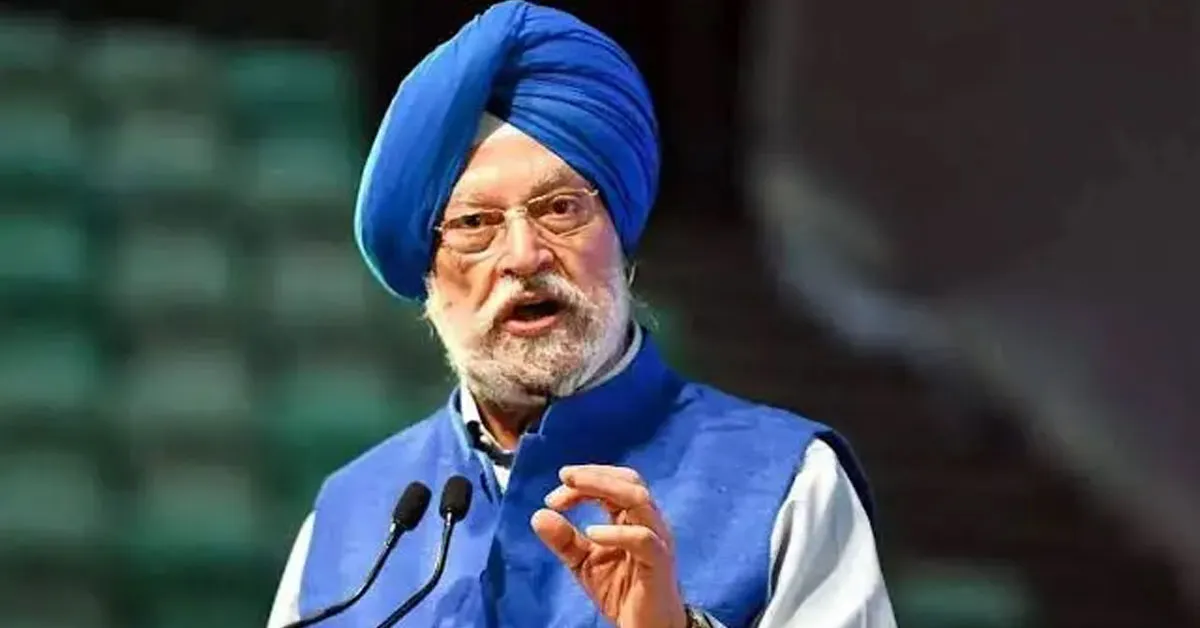
What we now know is that ethanol blending in our petrol didn't leap from 10 percent straight to 20. It was a phased, year-on-year increase. Petroleum Minister Hardeep Singh Puri himself acknowledged that Indian motorists had effectively been using fuel with around 15 percent ethanol for nearly three and a half years before the official E20 target was met.
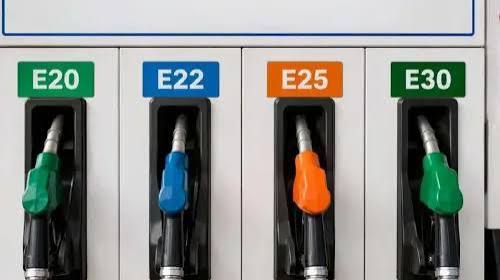
Our journey towards E20 was a quiet one, as the numbers clearly show:
Fiscal YearAverage Ethanol Blending Percentage2020-21~8.1%2021-2210%2022-2312.1%2023-2414.6%2024-2519.2%
This table illustrates a steady march upwards. By 2023-24, the national average was already at 14.6 percent. A year later, it hit 19.2 percent, meaning much of the fuel supply was already at near-E20 levels. The 20 percent target was achieved between November 2025 and June 2026. This isn't a minor detail; it's a significant shift in fuel composition that directly impacts how our vehicles perform.
The most striking aspect of this transition is the lack of communication. If you've been driving in India, you know fuel pumps rarely, if ever, indicate the exact ethanol content. Your fuel receipts? Blank on the blend. There was no widespread public campaign to inform us that the national average had steadily moved beyond what we understood as E10 petrol. Frankly, this is a glaring omission.
While these percentages represent national averages and local supply chains mean actual blend could vary by region – perhaps you got a lower blend in one state and a higher one on a highway run. But for national averages to reach 14.6% or 19.2%, a vast amount of petrol being sold had to be significantly above 10% ethanol. The fuel changed, but consumer awareness simply did not. Millions of us continued to fill our tanks, completely unaware the fuel composition was a moving target.
The Minister's defence is that if vehicles have already been running on higher ethanol blends without widespread engine failures, then concerns about E20 might be overstated. It's a pragmatic argument, perhaps, but it sidesteps a fundamental issue: informed choice. Fuel compatibility isn't just about whether your engine explodes; it's about a spectrum of performance and longevity.
Many older petrol vehicles were certified specifically for E10. While newer models are increasingly E20 compatible, there's a world of difference between a vehicle coping with a higher blend and a vehicle optimised for it. The truth is, higher ethanol blends can subtly influence several critical aspects of your car's operation:
Fuel Economy: Ethanol has a lower energy content than petrol. This means, generally, you might consume slightly more fuel to travel the same distance. For the average Indian commuter, where every rupee per kilometre counts, a small dip in mileage can add up significantly over months and years.
Running Costs: Directly tied to fuel economy, increased consumption translates to higher running costs. If you're calculating your monthly fuel budget for your daily Mumbai commute or those weekend trips on NH48, knowing the actual blend would allow for more accurate planning.
Long-Term Fuel System Wear: Ethanol can be corrosive to certain rubber and plastic components found in older fuel systems. While vehicles might run fine for a while, the long-term effects on fuel lines, seals, and pumps are a legitimate concern for those holding onto their cars for a decade or more.
Maintenance Planning: Knowing the blend would empower owners to make more informed decisions about preventative maintenance. Should you be checking fuel filters more often? Are there specific additives that might help? Without this data, it's guesswork.
Knowing the ethanol percentage would have allowed owners to better understand changes in mileage, verify compatibility, and make informed maintenance decisions. It's about respecting the consumer's right to know what they're putting into their valuable asset.
What's ironic about the Petroleum Minister's statement is that while it attempts to allay fears, it simultaneously confirms what many consumers were never explicitly told: that the fuel in their tanks had been changing for years. This isn't about debating the merits of ethanol blending; the environmental and economic goals are well-established, and frankly, necessary.
The real question here is about the process of transition. Could it have been handled with more transparency? We believe, unequivocally, yes. Simple measures like displaying the ethanol blend at fuel pumps, printing it on fuel receipts, or even regular public updates would have given motorists the basic information they deserved. Instead, the journey from E10 to nearly E20 happened largely out of sight, leaving millions of us to connect the dots only after the fact.
This quiet transition means different things depending on your vehicle and driving habits. It's no longer just about buying an E20-compatible car; it's about understanding the nuances of the fuel itself.
For Owners of Older (Pre-E20 Compliant) Vehicles: If your car was designed for E10 or less, you've likely been running on higher blends for years. Keep a keen eye on your vehicle's performance. Monitor your mileage closely. Any unexplained drops could be an indicator. Be proactive with fuel system checks during your regular service appointments. It's worth discussing with your trusted mechanic if any specific preventative measures are advisable for your make and model.
For Owners of Newer (E20 Compliant) Vehicles: While your car is designed for E20, remember the gradual increase still applied. You might have experienced slight, unexplainable variations in fuel economy over the years without realising the fuel itself was subtly changing. Our advice? Don't assume E20 compatibility means 'no impact'. Continue to track your mileage and note any significant, consistent deviations. Vehicle manufacturers maintain that E20 is safe, but consistent monitoring is always prudent.
Our Take on Fuel Economy: We’ve often heard anecdotal reports from drivers about minor, unexplained drops in mileage over the past few years. This disclosure provides a very plausible reason. While not dramatic, a 5-10% difference in energy content between E10 and E15 or E19 isn't negligible. Over thousands of kilometres, especially for someone driving long distances, these small differences add up to real money. Next time you feel your car isn't giving you the mileage it used to, remember it might not just be your driving style or maintenance – the fuel itself could be a silent factor.
What You Can Do Now: Unfortunately, there's no immediate way to test the exact ethanol blend at every pump. But you can ask your fuel attendant if they know the blend being dispensed. While they might not always have the information, consumer questions can drive demand for transparency. More importantly, become an attentive owner: track your fuel economy, listen to your engine, and discuss any unusual performance changes with your service centre, explicitly mentioning the higher ethanol blends.
India's achievement of the E20 blending target is undoubtedly a significant step towards cleaner fuels and reduced oil import dependency. It's a national milestone, and the efforts involved shouldn't be understated. However, the manner in which much of this transition took place—without clear, consistent communication to the very consumers filling up their tanks—leaves us with a lingering question about trust.
For many Indian motorists, the true surprise isn't that E20 is here. It's the realisation that the journey from E10 to nearly E20 had already been completed, quietly and without fanfare, long before they had a chance to fully grasp it. As higher ethanol blends become the unwavering norm, the biggest takeaway for us at AutoThrust India is simple: greater, unequivocal transparency at every fuel station is not just a nice-to-have; it's essential. It's how we build genuine consumer confidence, empower informed decisions, and ensure that our progression towards cleaner fuels is also a progression towards greater public trust.
 News
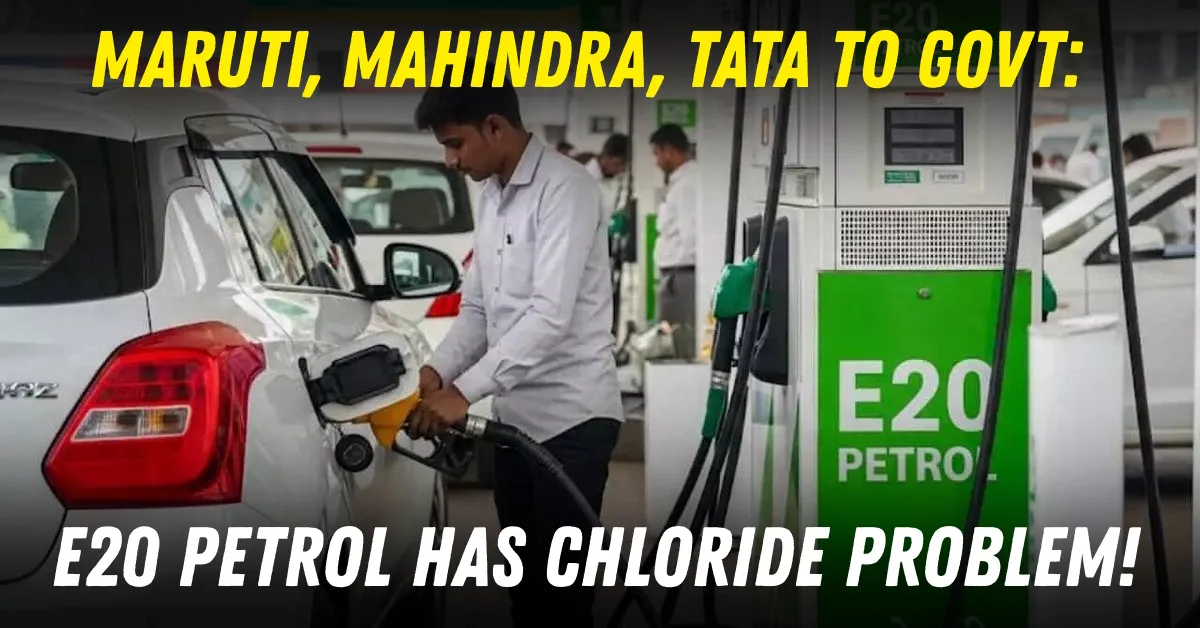
NewsIndia's biggest automakers — Maruti, Tata, Mahindra, and SIAM — have collectively raised a serious red flag: 'chloride issues' in E20 petrol. This isn't just a technical footnote; it's a direct challenge to E20's reliability and could impact your car's longevity and value.
 News
NewsA recent court order for Maruti to replace a Grand Vitara due to E20 petrol-related breakdowns sends a clear warning to Indian car buyers. We dissect what this unprecedented ruling truly means for your vehicle, E20 fuel compliance, and manufacturer responsibility.
 Launches
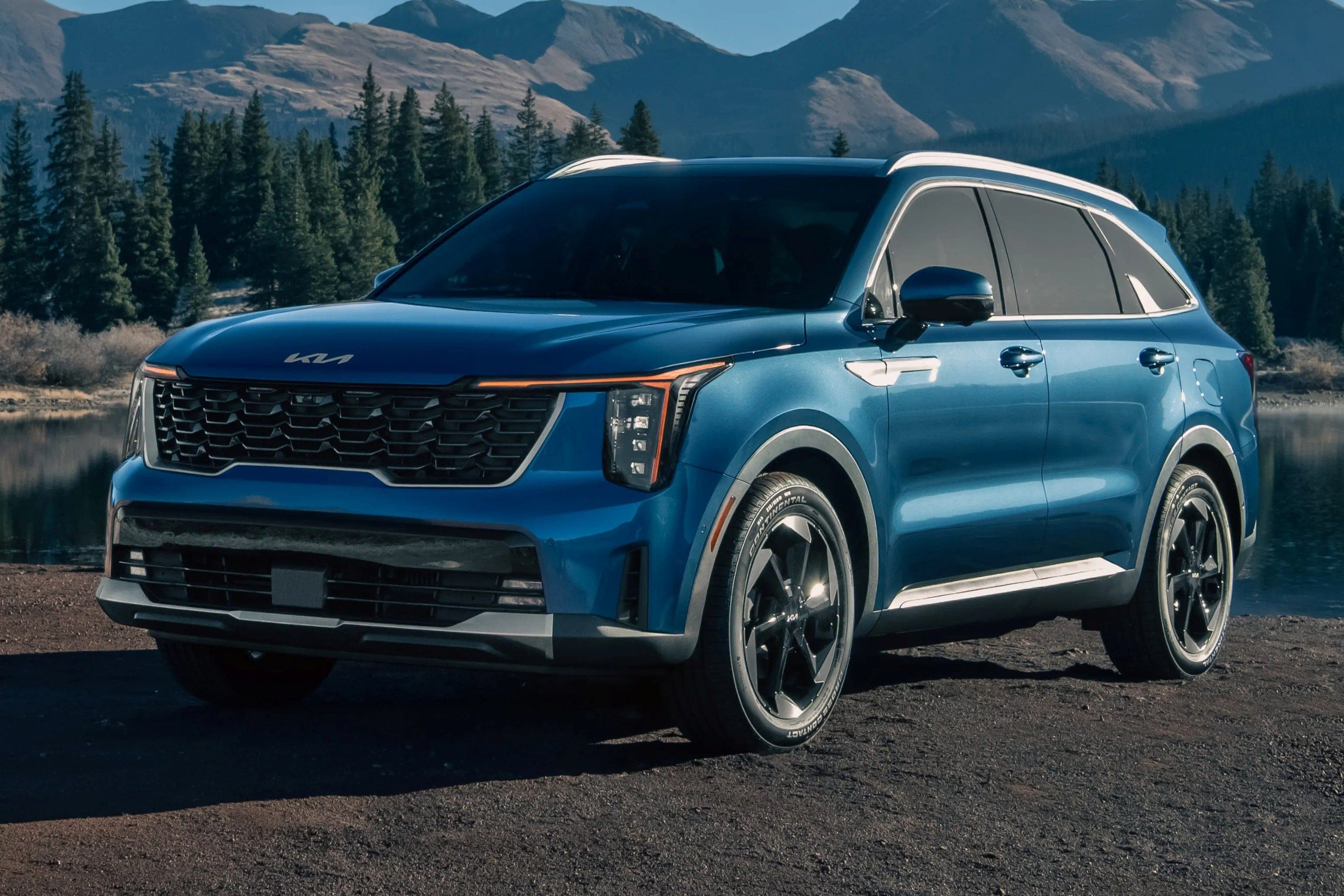
Kia India dealers have unofficially commenced bookings for the premium Sorento SUV at Rs 25,000. Read on for the expected launch date, specs, and price.