Did you know?
A car's tyres can heat up to over 100°C during hard track driving.
AutoThrust India
The latest car launches, in-depth reviews, variant price updates, and expert insights from India's roads.
Did you know?
Volkswagen means 'people's car' in German.
Did you know?
A car's tyres can heat up to over 100°C during hard track driving.
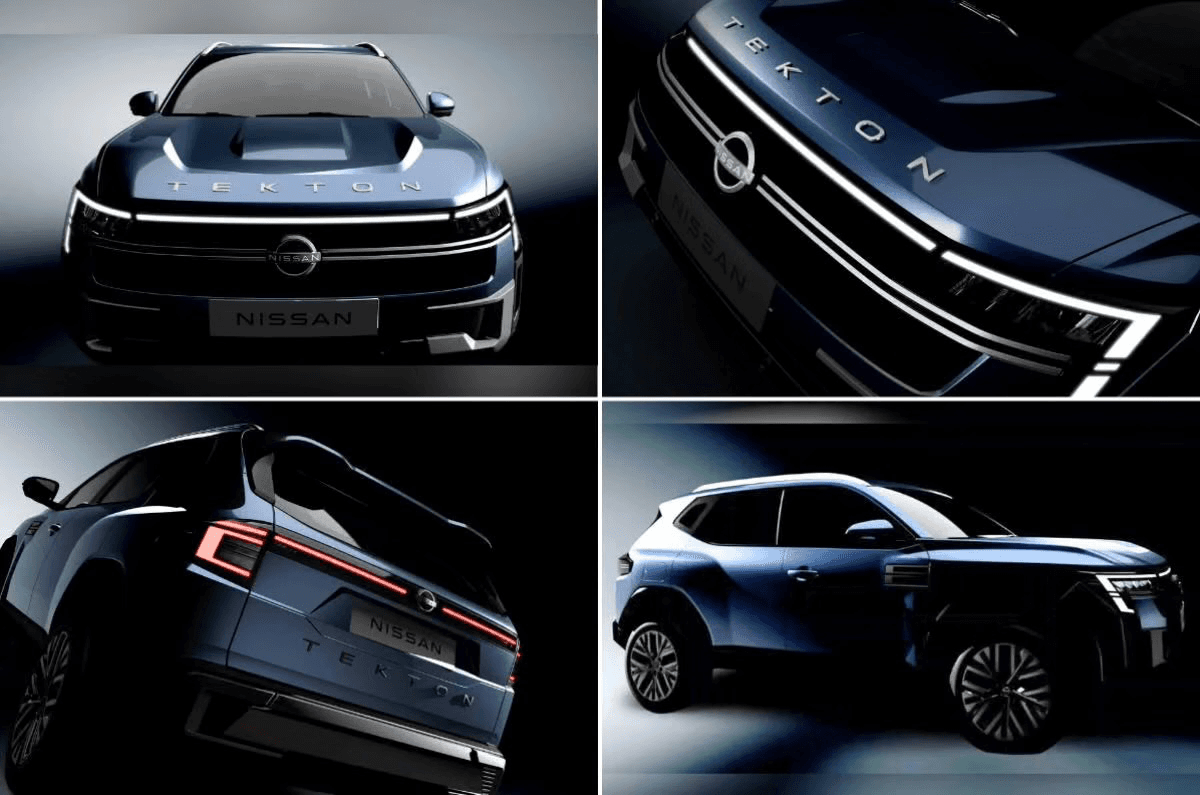
Nissan is all set to launch its new midsize SUV, the Tekton, on 9 July 2026. The SUV will share its platform with the all-new Renault Duster, but there will be one major difference between the two. Unlike the Duster, the Nissan Tekton is not expected to get the upcoming strong-hybrid powertrain.
Instead, Nissan will continue with turbo-petrol engine options, while Renault keeps the hybrid technology exclusive to the Duster.
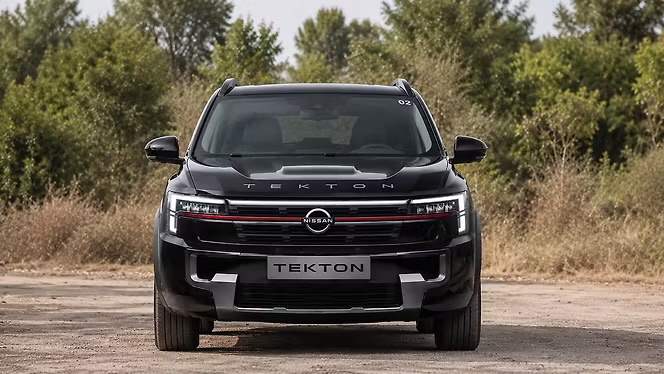
According to reports, Renault has decided to reserve its new 1.8-litre strong-hybrid powertrain exclusively for the Duster. The hybrid version is expected to arrive around the festive season and is likely to offer much better fuel efficiency along with a smoother driving experience, especially in city traffic.
On the other hand, the Nissan Tekton is expected to be offered with the familiar 1.0-litre turbo-petrol and 1.3-litre turbo-petrol engines. While these engines are expected to deliver good performance, buyers looking for a fuel-efficient hybrid option may have to choose the Renault Duster instead.
This move is part of Renault's changing strategy in India. After taking full control of its Indian manufacturing operations, Renault now leads product development and engineering for both brands.
Although Nissan and Renault continue to share platforms, production facilities, and several components, Renault appears to be keeping some advanced technologies for its own products. The strong-hybrid powertrain is one such feature that will help the Duster stand out in the highly competitive midsize SUV segment.
The Duster's hybrid setup will use a 160 hp, 1.8-litre strong-hybrid engine developed by Horse Powertrain, the joint venture between Renault, Geely, and Aramco.
The company is also expected to localise production of this hybrid powertrain in India in the future. This could support Renault's long-term plans of expanding hybrid vehicle offerings in the country.
Even without the hybrid option, Nissan is expected to give buyers several reasons to consider the Tekton.
The SUV is likely to be priced slightly lower than the Renault Duster, following a strategy similar to how the Magnite was positioned against the Renault Kiger. A more competitive price could make the Tekton attractive to value-conscious buyers.
Nissan is also expected to offer a wider range of variants based on its turbo-petrol engines, giving customers more choices depending on their budget.
One of the biggest highlights of the Tekton will be its styling. Reports suggest the SUV will take design inspiration from the iconic Nissan Patrol, giving it a more upright, muscular, and rugged appearance than the Renault Duster.
This unique design, along with Nissan's reputation for reliability, could help the Tekton appeal to buyers even without a strong-hybrid powertrain.
The Nissan Tekton and Renault Duster may share the same platform, but they are clearly being positioned for different buyers. Renault will use the exclusive strong-hybrid powertrain to attract customers looking for maximum fuel efficiency, while Nissan is expected to focus on competitive pricing, rugged styling, and proven turbo-petrol engines.
As competition in India's midsize SUV segment continues to grow, it will be interesting to see whether Nissan's strategy is enough to challenge rivals without offering a hybrid option.
 News
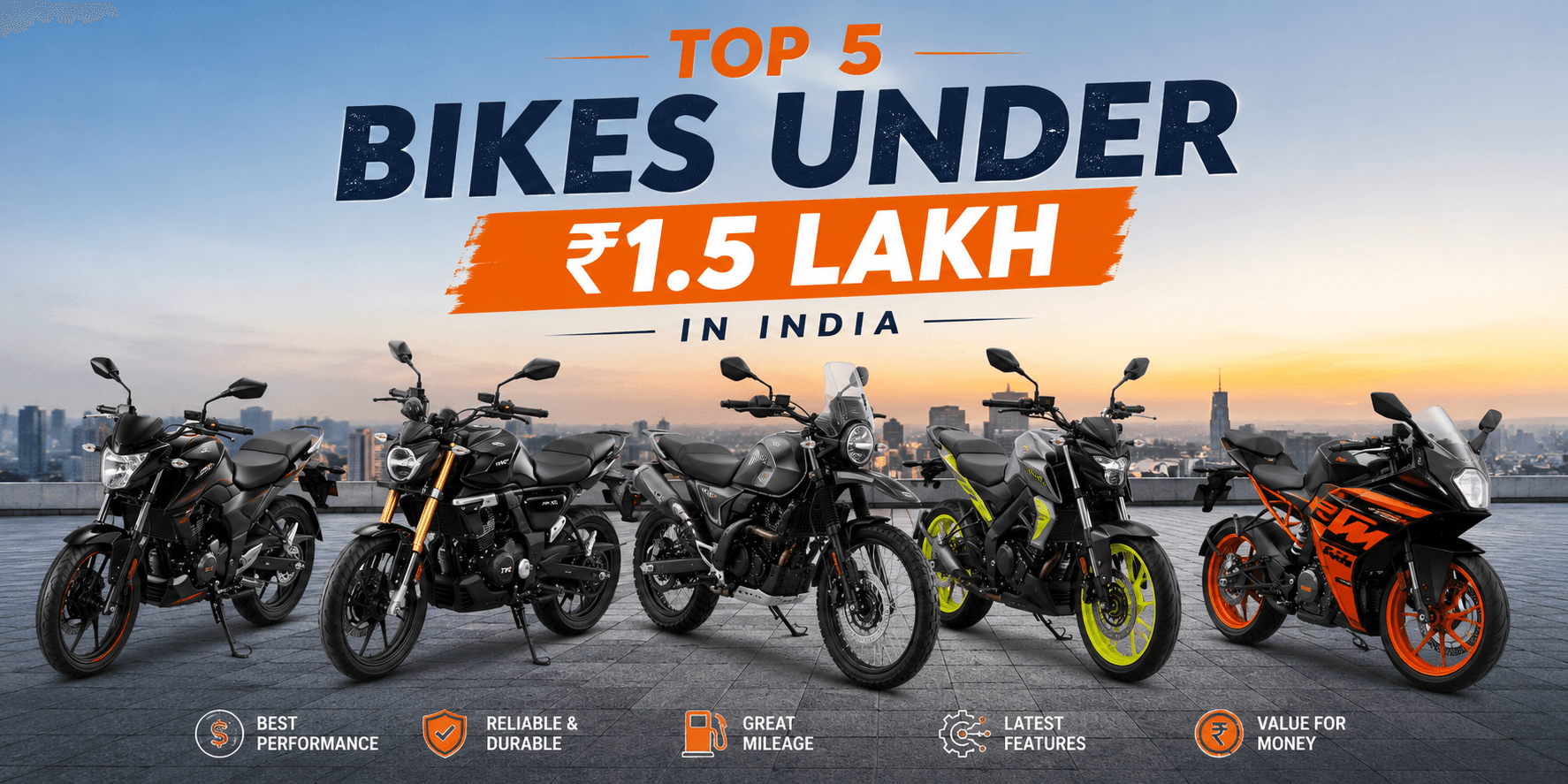
NewsFor most first-time buyers in India, a bike in the ₹1 lakh to ₹1.5 lakh range hits the sweet spot, powerful enough for daily commutes and highway rides, yet light on the wallet in terms of both price and running costs. Here’s our pick of the best options currently available
 News
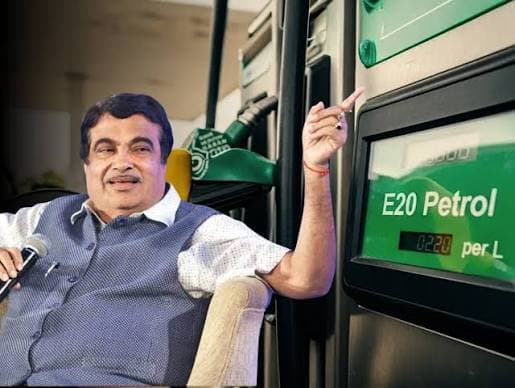
NewsUnion Minister Nitin Gadkari has fiercely defended India's E20 ethanol blending mandate, calling criticism 'sponsored propaganda,' even as vehicle owners worry about fuel efficiency and engine longevity. We break down the government's stance and what this standard fuel means for your daily drive and long-term car care.