Did you know?
The Tata Nano was once the world's cheapest production car.
AutoThrust India
The latest car launches, in-depth reviews, variant price updates, and expert insights from India's roads.
Did you know?
Airbags inflate in about 25 milliseconds — faster than you can blink.
Did you know?
The Tata Nano was once the world's cheapest production car.
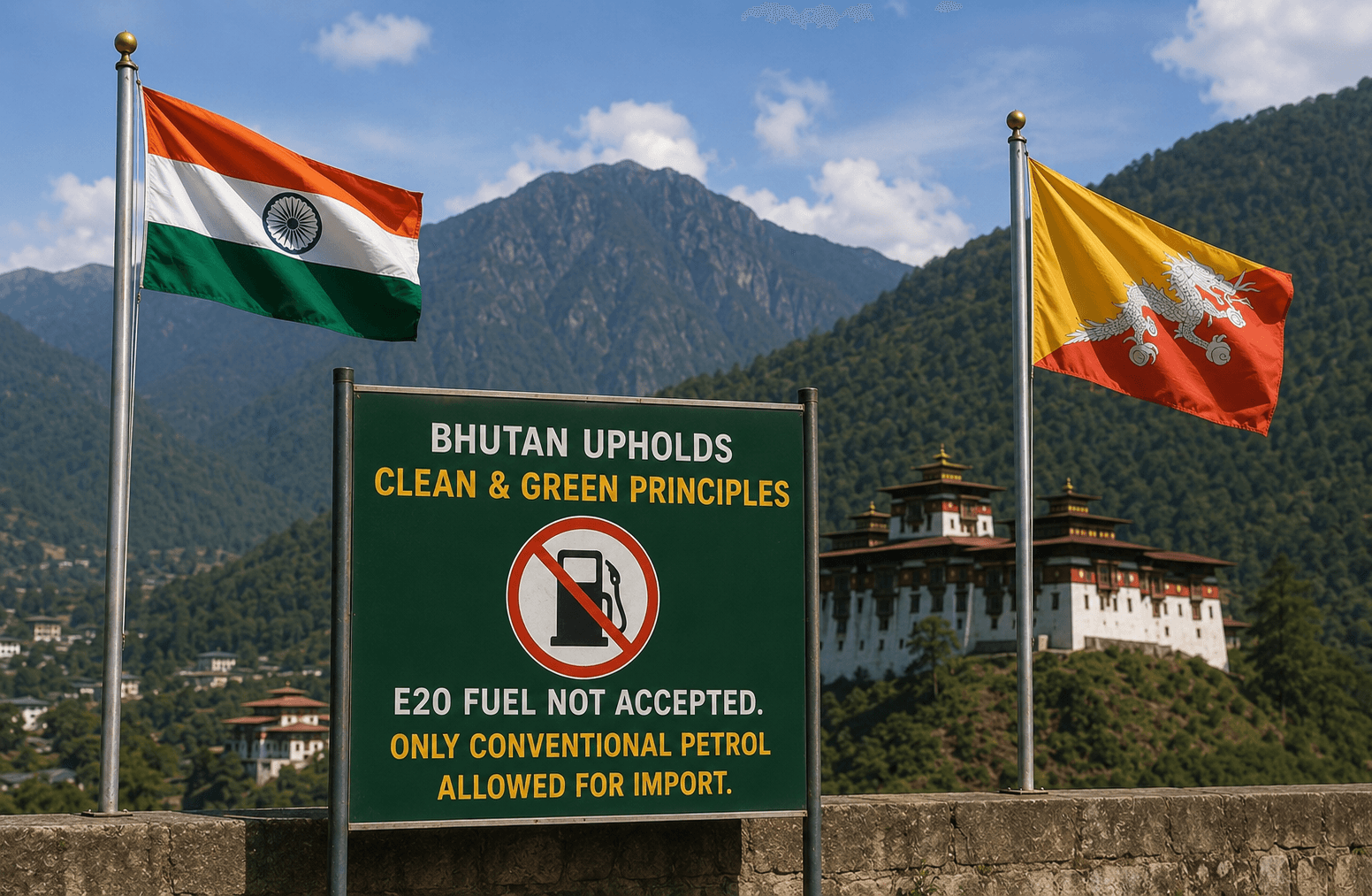
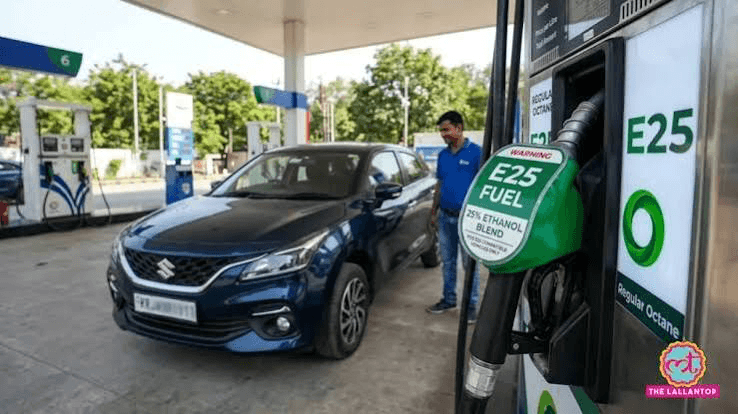
India has been aggressively promoting E20 petrol as part of its mission to reduce fuel imports and increase the use of cleaner, ethanol-blended fuel. In fact, the country achieved its E20 rollout target much earlier than planned. But while India is moving ahead with ethanol-blended petrol, neighbouring Bhutan isn't ready to make the switch just yet.
According to recent reports, Bhutan has politely declined India's offer to supply E20 petrol. Instead, the country has requested Indian oil companies to continue supplying conventional petrol until it upgrades its fuel infrastructure.
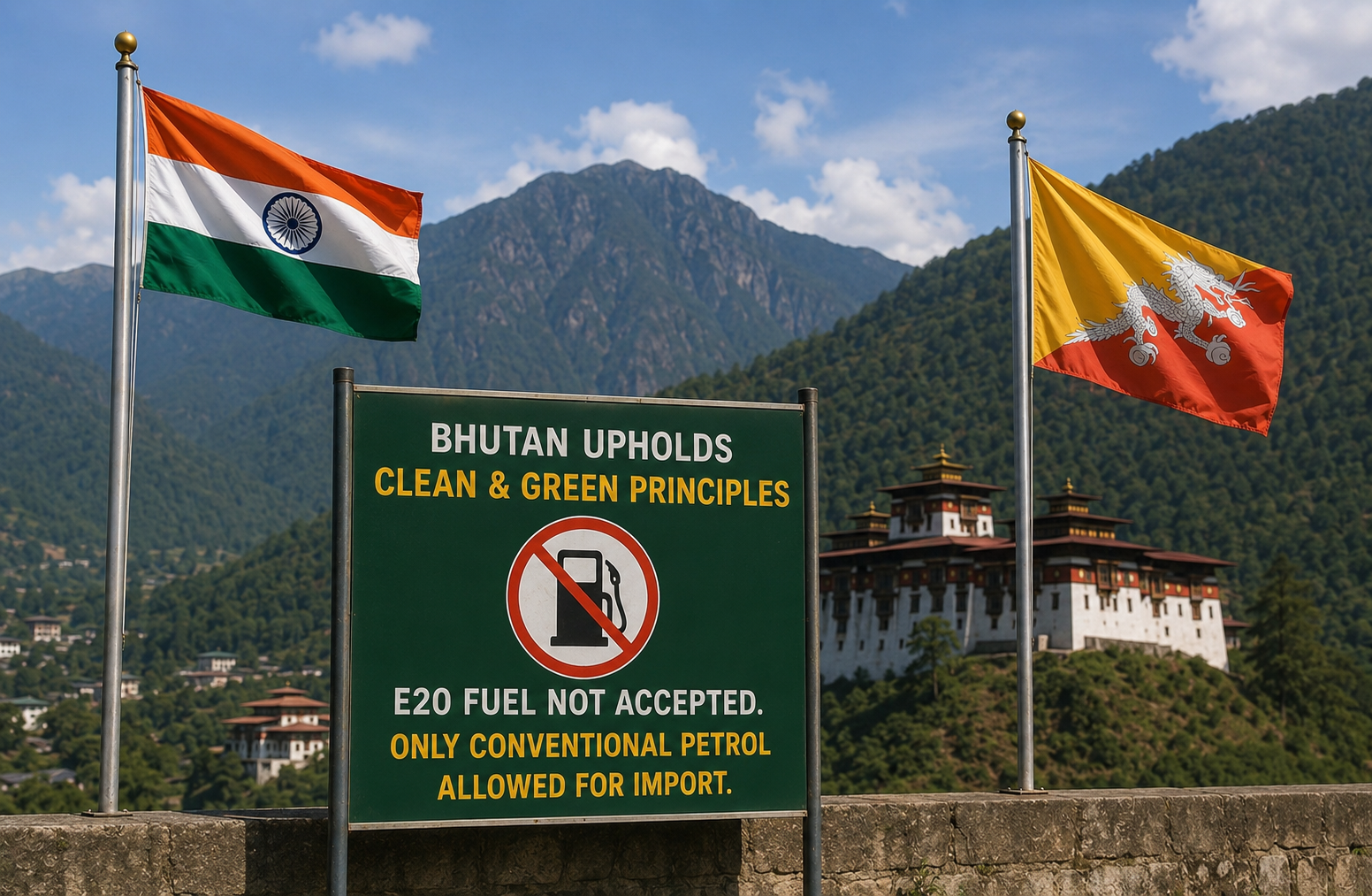
The biggest reason behind Bhutan's decision is fuel storage infrastructure.
Unlike regular petrol, ethanol is highly hygroscopic, which means it easily absorbs moisture from the air. If water mixes with E20 petrol, the quality of the fuel can deteriorate and it becomes difficult to separate the water from the ethanol.
Bhutan says many of its underground fuel storage tanks are old and are located in mountainous areas where moisture and groundwater seepage are common. Because of this, storing ethanol-blended petrol safely becomes a major challenge.
Officials believe contaminated fuel could affect vehicle performance and, in extreme cases, even damage engine components.
Interestingly, Bhutan has not rejected E20 petrol permanently.
The country has clarified that it supports cleaner fuel technologies but wants enough time to prepare for the transition. Officials have requested India to continue supplying regular petrol until Bhutan upgrades its storage and fuel distribution network.
Once the required infrastructure is in place, Bhutan may consider introducing ethanol-blended petrol in the future.
Before adopting E20 petrol, Bhutan says it will need significant improvements to its fuel infrastructure.
This includes:
Replacing old underground fuel storage tanks
Building leak-proof storage facilities
Upgrading fuel depots
Improving fuel transportation systems
Modernising fuel stations across the country
Bhutan has also requested technical assistance from Indian oil companies when the transition eventually takes place.
Bhutan's geography also plays an important role in this decision.
The country's hilly terrain experiences high humidity and frequent groundwater seepage, increasing the chances of moisture entering underground fuel tanks.
Officials have also pointed out that vehicles travelling through steep mountain roads often require more engine power. Since ethanol contains slightly less energy than pure petrol, Bhutan wants to carefully evaluate whether E20 petrol will meet the performance requirements under such driving conditions.
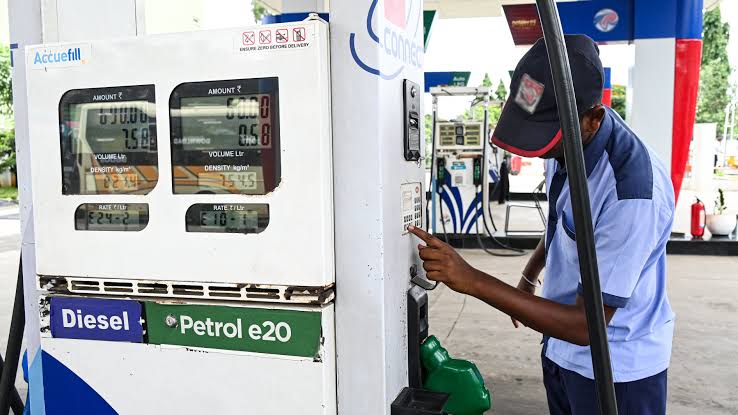
India introduced E20 petrol to reduce dependence on imported crude oil, lower vehicle emissions and support ethanol production from crops like sugarcane and maize.
The Indian government maintains that E20 petrol has been scientifically tested and is safe for compatible vehicles. However, Bhutan's decision highlights that introducing ethanol-blended fuel isn't only about vehicle compatibility—it also depends on whether a country's storage and distribution infrastructure is ready.
For India, Bhutan's response serves as a reminder that exporting E20 petrol may require technical support and infrastructure development alongside fuel supply.
Bhutan's decision should not be seen as a rejection of cleaner fuels. Instead, it is a practical move based on the country's current infrastructure and geographical challenges.
For now, Bhutan will continue importing conventional petrol from India. But once its fuel storage and distribution systems are upgraded, the country could eventually become another market for ethanol-blended petrol.
As India continues to expand its E20 programme, this development also highlights an important lesson—successful adoption of alternative fuels depends not just on the fuel itself, but also on the infrastructure needed to handle it safely.
 News
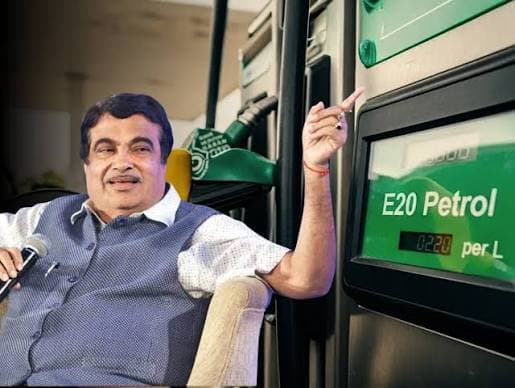
NewsUnion Minister Nitin Gadkari has fiercely defended India's E20 ethanol blending mandate, calling criticism 'sponsored propaganda,' even as vehicle owners worry about fuel efficiency and engine longevity. We break down the government's stance and what this standard fuel means for your daily drive and long-term car care.
 News
NewsMaruti Suzuki has officially opened bookings for the highly anticipated Brezza facelift, inviting enthusiasts to reserve their updated compact SUV for a token amount of Rs 11,000. Set for a grand debut on July 24, the new Brezza promises a significant refresh, poised to redefine its segment with an array of exterior and interior enhancements.