Did you know?
Airbags inflate in about 25 milliseconds — faster than you can blink.
AutoThrust India
The latest car launches, in-depth reviews, variant price updates, and expert insights from India's roads.
Did you know?
Bugatti's Chiron has 16 cylinders and over 1,500 horsepower.
Did you know?
Airbags inflate in about 25 milliseconds — faster than you can blink.
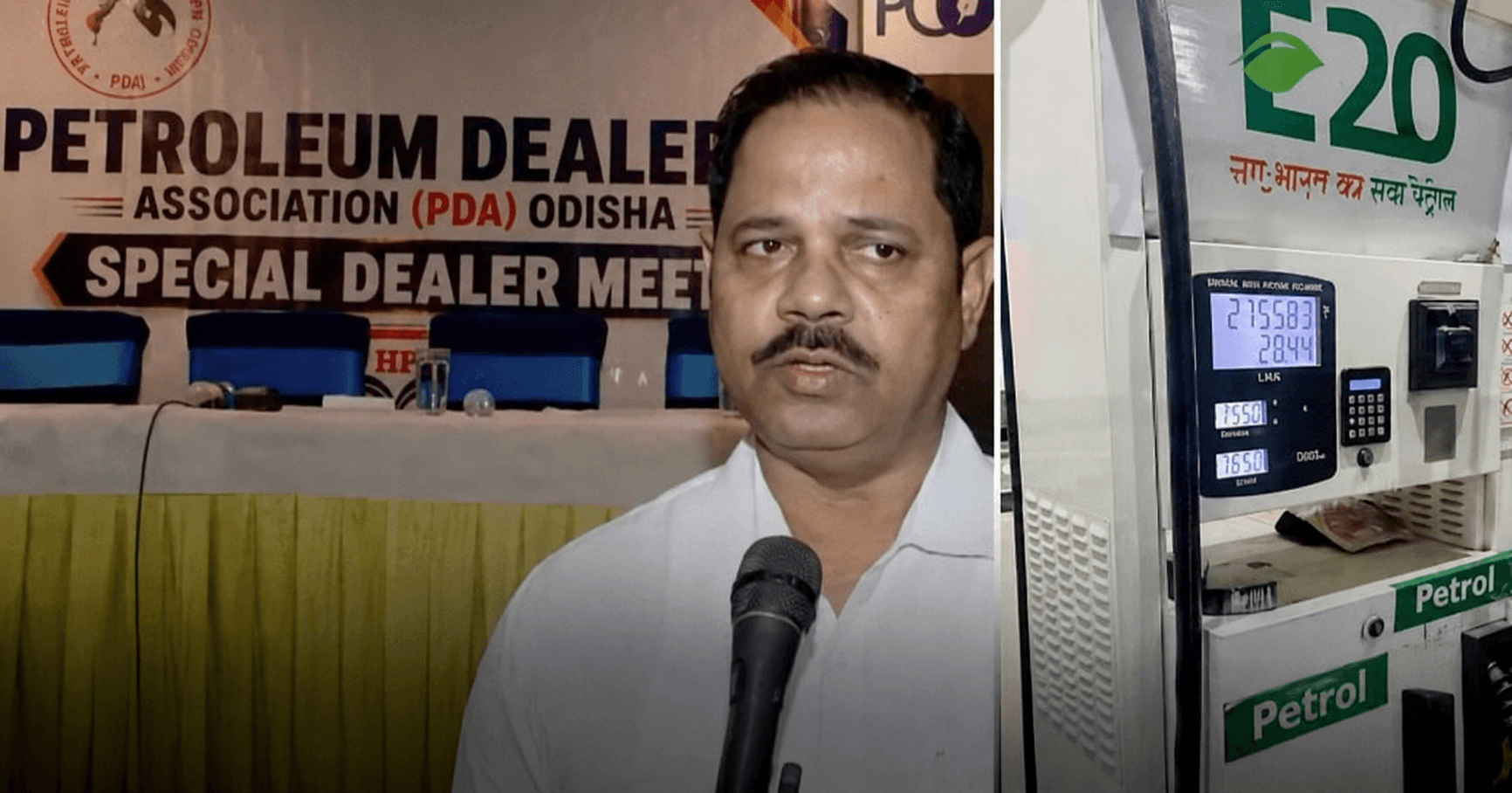
The debate around E20 petrol has become much louder over the last few weeks. Across social media, many vehicle owners have raised concerns about reduced mileage, possible engine damage, higher maintenance costs, and the long-term impact of using 20 percent ethanol-blended petrol.
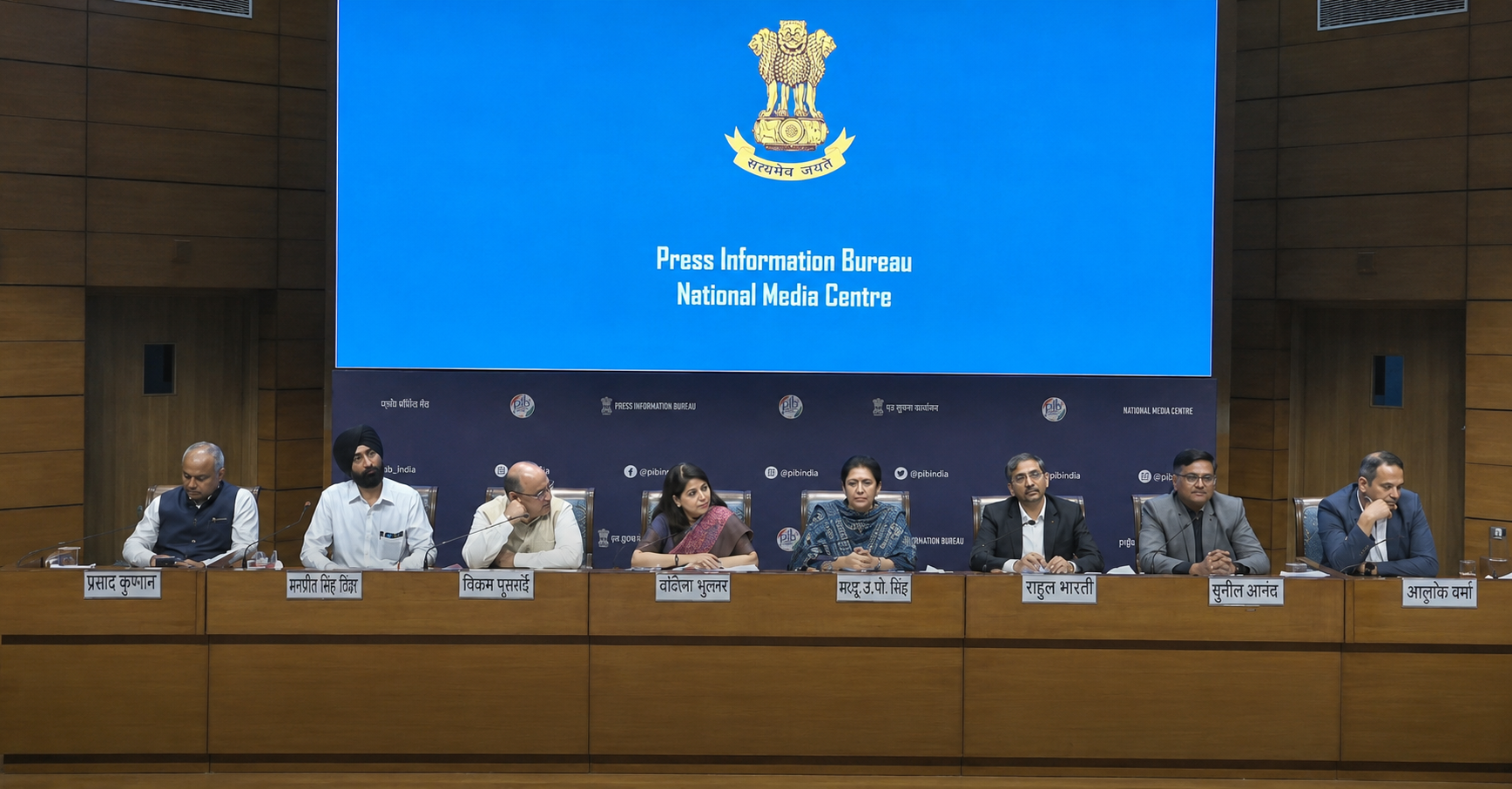
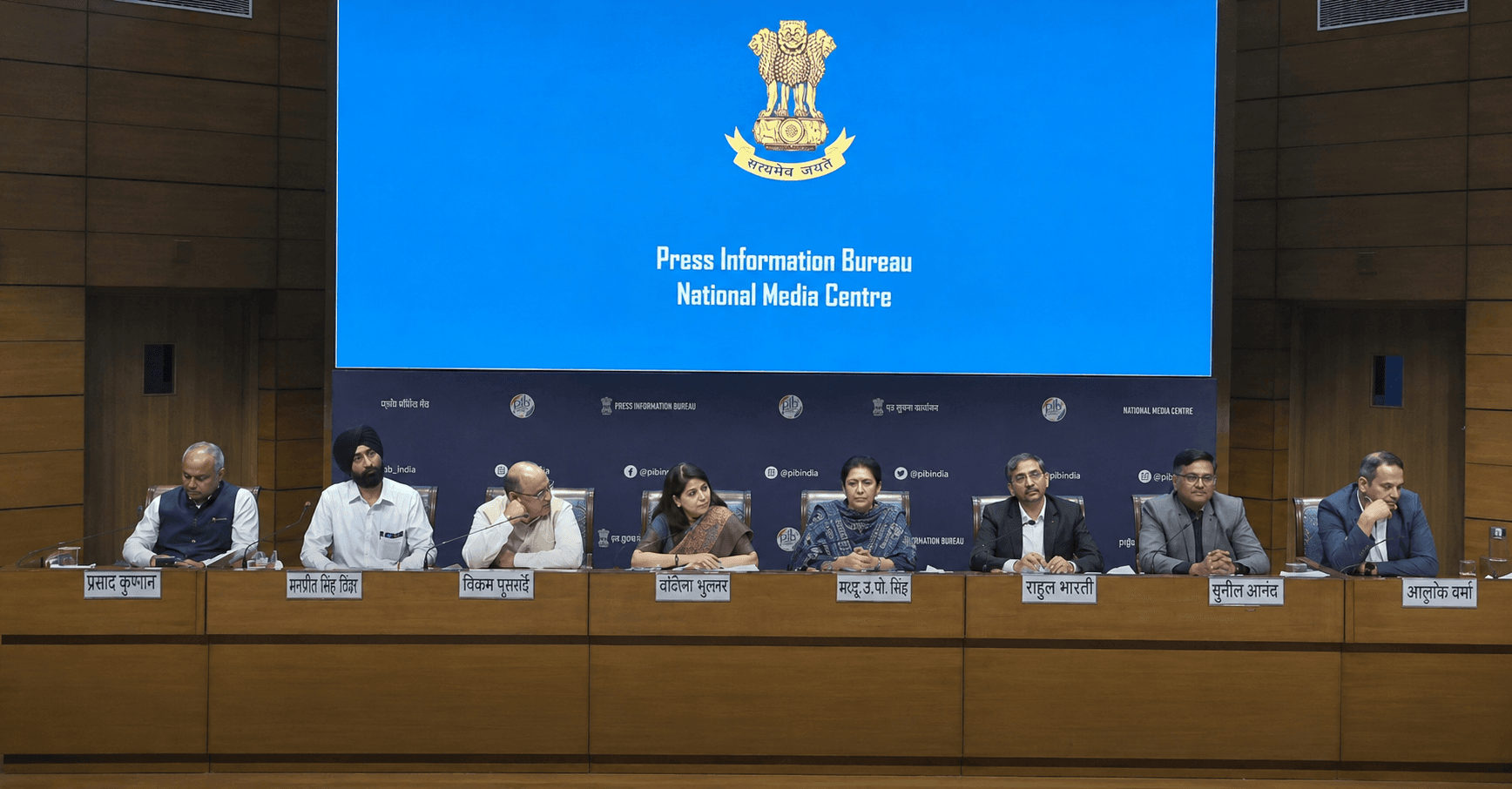
In response to these concerns, the Ministry of Petroleum and Natural Gas recently released a detailed 10-point clarification. The government also held a joint press conference with senior officials and automobile industry representatives, stating that many of the viral claims are misleading and that E20 petrol is safe for use, including in many older vehicles.
According to the government, the E20 programme is backed by years of research, international experience, and extensive testing. While the clarification addresses several concerns, it still leaves a number of important questions unanswered. Here's a closer look.
One of the biggest complaints from vehicle owners has been a noticeable drop in fuel efficiency after switching to E20 petrol.
The government says testing carried out by the Automotive Research Association of India (ARAI) covered around 40,000 km in passenger cars and 20,000 km in two-wheelers. Based on these tests, officials claim there was no major impact on drivability and only a marginal reduction in fuel economy. They also point out that ethanol has a higher octane rating, which can improve combustion in vehicles designed for E20.
However, many motorists continue to report lower real-world mileage. The government has not explained why these experiences differ from the test results. It is also unclear whether the tests included older vehicles or were conducted under typical Indian driving conditions. The complete ARAI test reports have not been made public either.
Another common concern is that ethanol-blended fuel could damage engines and fuel system components over time.
The ministry says studies by ARAI, Indian Oil, the Indian Institute of Petroleum, and SIAM found no evidence of engine damage or compatibility issues with metal and plastic components. However, it has acknowledged that certain rubber parts in older vehicles may wear out faster.
What remains unclear is which specific components are affected, after how many kilometres they may need replacement, and what the additional maintenance costs could be. These details have not been shared.
The government has also assured consumers that vehicles approved for E20 fuel will continue to receive warranty and insurance coverage.
But this clarification mainly applies to E20-compatible vehicles. Many owners of older cars and motorcycles still want to know whether future fuel system issues could lead to warranty disputes or rejected insurance claims. So far, there has been no detailed clarification on this.
A widely circulated claim suggests that producing one litre of ethanol requires around 10,000 litres of water.
The government has rejected this figure, saying ethanol plants consume only around 3 to 5 litres of processed water for every litre of ethanol produced. It also states that surplus rice and increasingly maize are being used, helping reduce water consumption.
However, it is still unclear whether these figures include the water used to grow crops or only the water consumed inside ethanol production facilities. The overall water footprint of ethanol production remains unanswered.
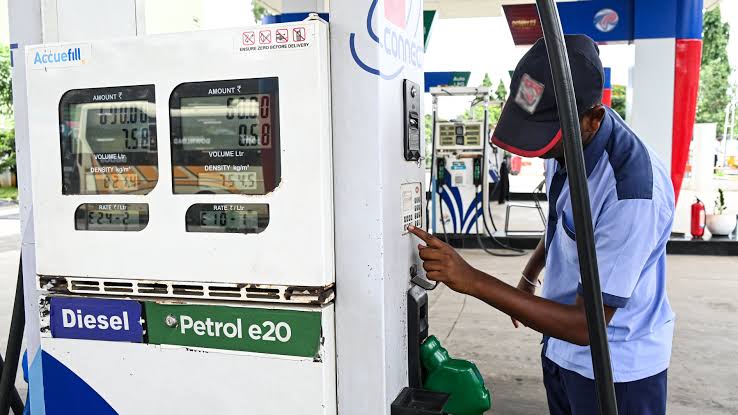
Officials have highlighted that ethanol-blended fuels have been used successfully for decades in countries such as Brazil, the United States, Canada, Japan, Thailand, and several European nations.
According to the ministry, this proves that E20 is a well-established fuel rather than an experiment.
Even so, one important question remains. In many countries, consumers can still choose between different ethanol blends like E5, E10, and E20. In India, regular petrol is no longer available in many areas. The government has not explained why consumers no longer have that choice.
Another viral claim suggested that E20 petrol attracts insects because of its ethanol content.
The ministry says fuel-grade ethanol contains no sugar, undergoes industrial processing, and includes additives that discourage insects. It also says the smell of petrol remains dominant.
While this may address a social media rumour, many consumers believe the focus should instead be on more practical concerns such as engine durability, maintenance costs, and fuel efficiency.
The petroleum ministry has also denied reports claiming it described the E20 programme as an experiment during proceedings before the Supreme Court.
According to the government, the case was related only to ethanol procurement contracts and had nothing to do with the scientific validity of E20 fuel. The Attorney General's Office has also issued a clarification.
However, many people believe releasing the complete court documents would remove any remaining confusion.
The government says modern fuel stations and vehicles are already designed to prevent water from entering fuel systems. Therefore, E20 petrol itself is not responsible for water contamination.
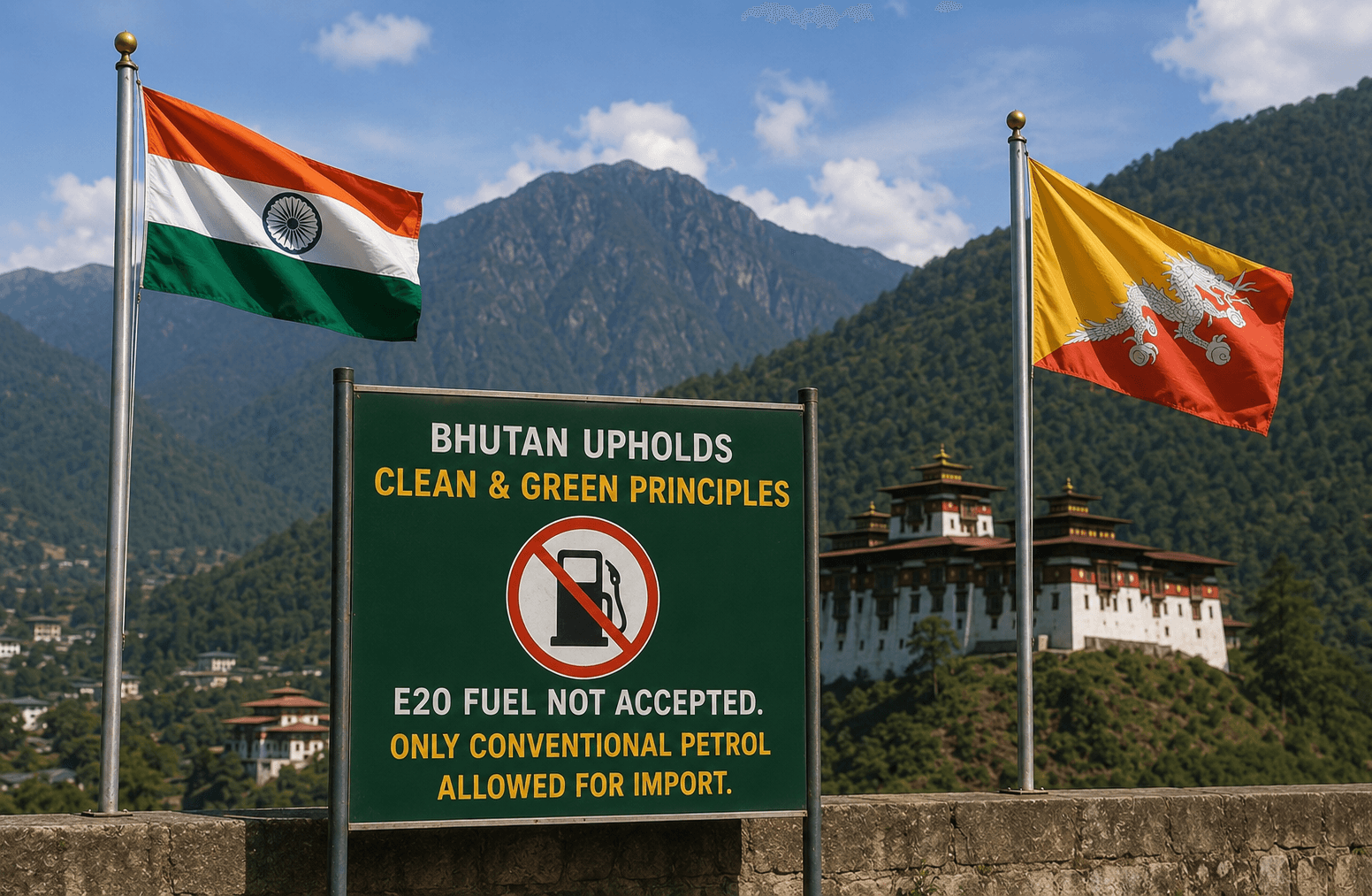
Still, some important questions remain. Ethanol naturally absorbs moisture if water is present. What happens in older storage tanks or ageing fuel stations where maintenance may not be ideal? These concerns have become more relevant after Bhutan reportedly declined E20 fuel due to concerns over its older fuel storage infrastructure.
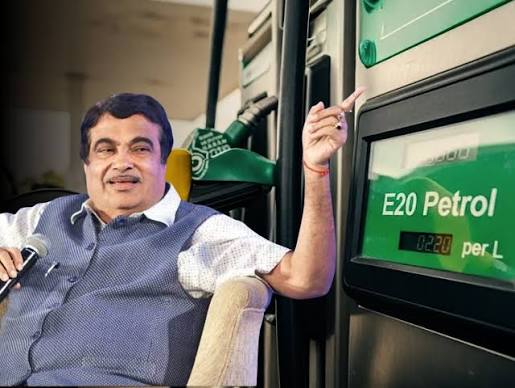
Several viral videos claimed sugarcane juice was being mixed directly with petrol.
The government has dismissed these videos as fake, explaining that fuel-grade ethanol is produced through industrial processes and blended under strict quality standards before reaching consumers.
While exposing misinformation is important, greater transparency around fuel quality testing and blending procedures could help increase public confidence.
The ministry says the ethanol blending programme has delivered significant economic and environmental benefits for India.
According to official figures, the programme has helped save more than ₹1.9 lakh crore in foreign exchange, provided around ₹1.6 lakh crore to farmers, reduced carbon dioxide emissions by approximately 930 lakh metric tonnes, and lowered crude oil imports by over 310 lakh metric tonnes. India also achieved its 20 percent ethanol blending target ahead of schedule in December 2025.
These are significant achievements from a national perspective. However, many vehicle owners remain focused on one simple question—what does E20 mean for their own cars and bikes over the next five or ten years?
The government's latest clarification certainly answers several rumours surrounding E20 petrol and attempts to reassure consumers about its safety. However, it also leaves a number of practical questions unanswered.
Owners of older vehicles still want more clarity on long-term engine reliability, maintenance costs, warranty coverage, real-world mileage, and whether they will ever have the option to choose lower ethanol blends again.
Until these questions are answered with detailed public data and long-term studies, the debate around E20 petrol is unlikely to end anytime soon.
 News
NewsFor most first-time buyers in India, a bike in the ₹1 lakh to ₹1.5 lakh range hits the sweet spot, powerful enough for daily commutes and highway rides, yet light on the wallet in terms of both price and running costs. Here’s our pick of the best options currently available
 News
NewsUnion Minister Nitin Gadkari has fiercely defended India's E20 ethanol blending mandate, calling criticism 'sponsored propaganda,' even as vehicle owners worry about fuel efficiency and engine longevity. We break down the government's stance and what this standard fuel means for your daily drive and long-term car care.