Did you know?
A car's tyres can heat up to over 100°C during hard track driving.
AutoThrust India
The latest car launches, in-depth reviews, variant price updates, and expert insights from India's roads.
Did you know?
The first speeding ticket was issued in 1896 — the driver was doing 8 mph.
Did you know?
A car's tyres can heat up to over 100°C during hard track driving.
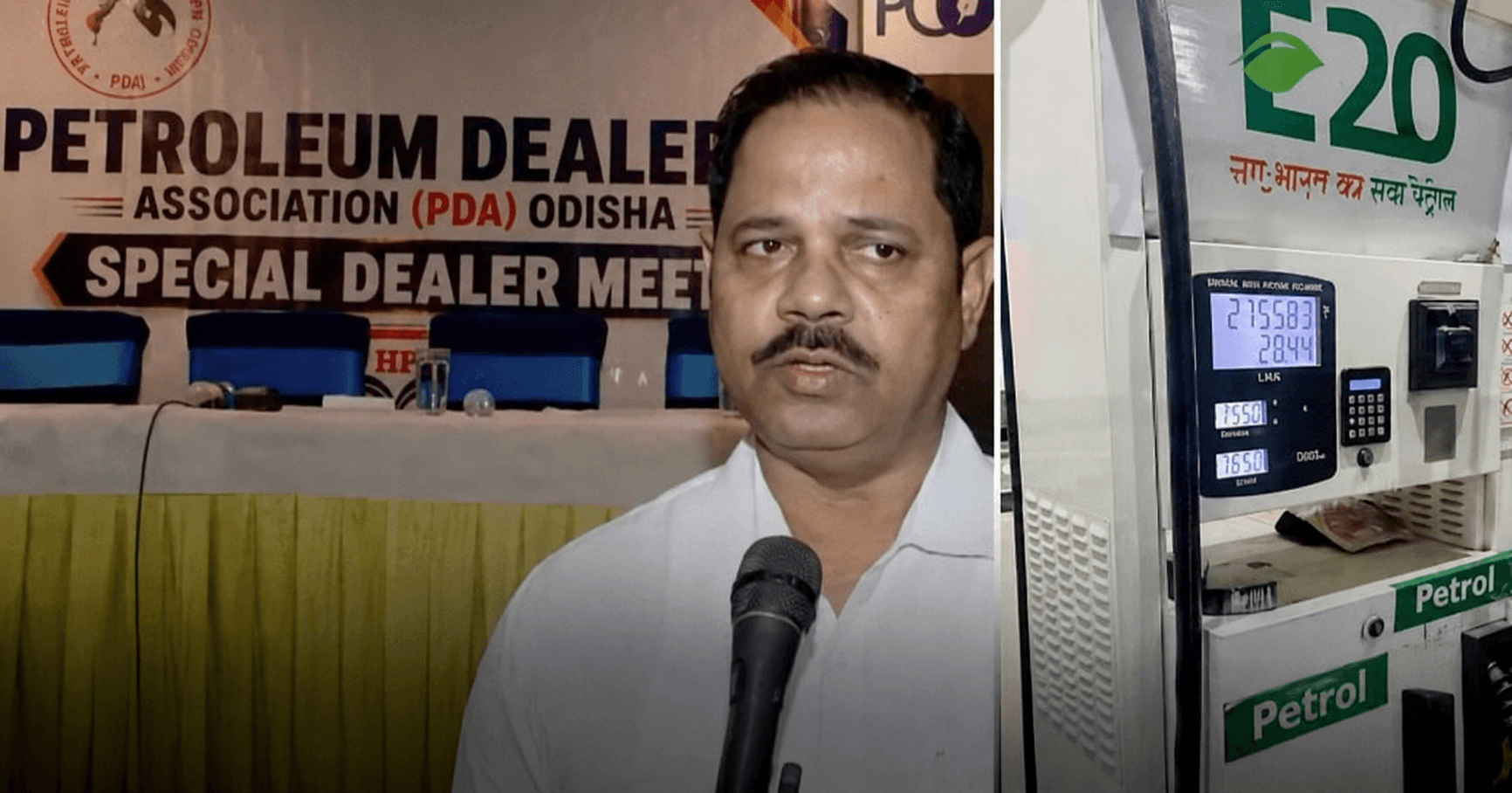
The debate surrounding E20 petrol continues to grow in India. Over the past few weeks, many vehicle owners have shared their experiences on social media, claiming they have noticed reduced mileage, lower performance and other issues after switching to E20 fuel. While the Government of India maintains that E20 petrol has been thoroughly tested and is safe for compatible vehicles, concerns from some motorists continue.
Now, a senior leader from a petroleum dealers' association has also spoken about the issue, saying that petrol pump owners are increasingly facing complaints from customers over E20 fuel.
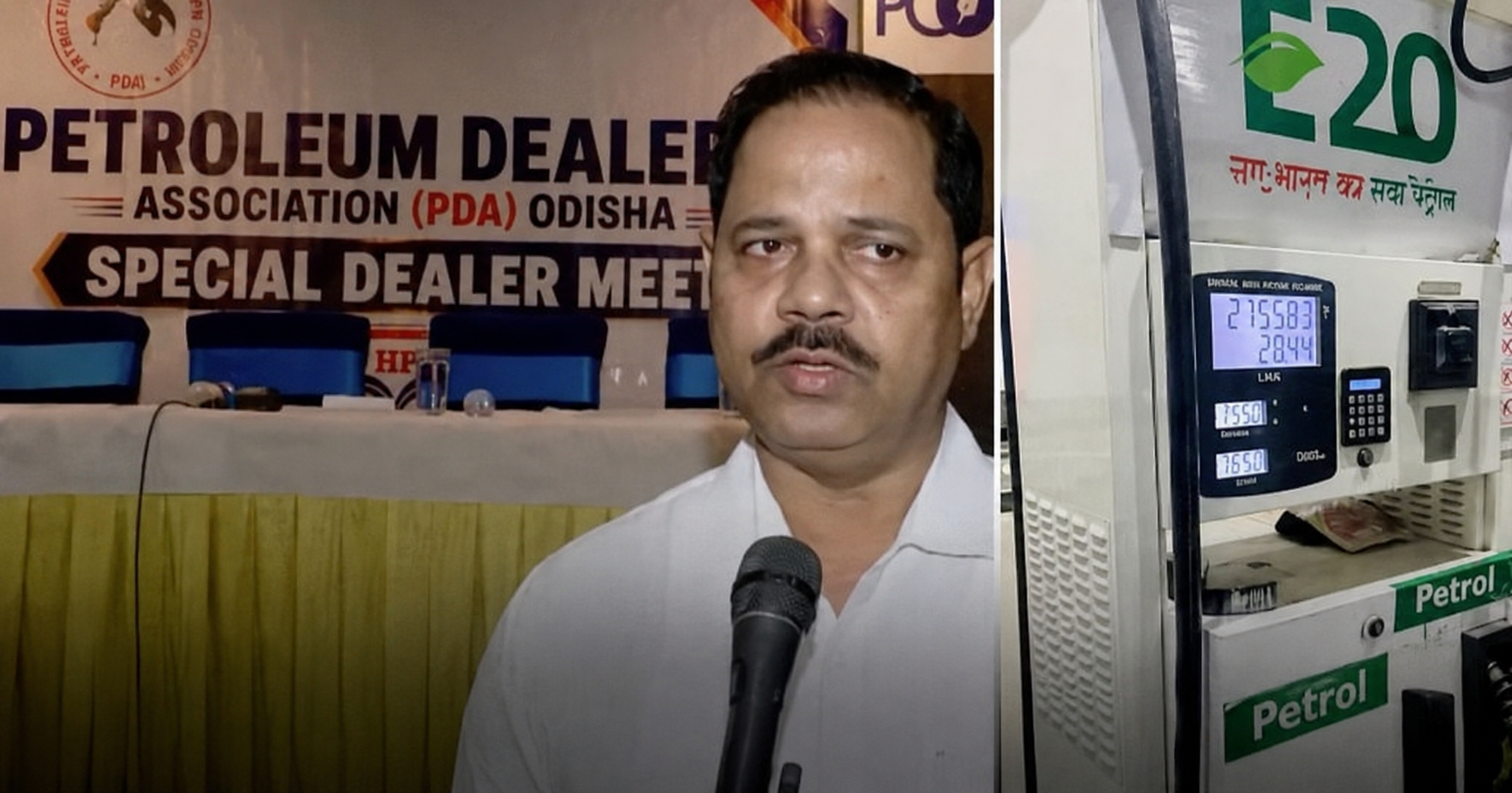
A video shared by ANI on X features Sasanka Sekhar Sahu, President of the Petroleum Dealers' Association in Odisha, speaking about the challenges faced by fuel dealers.
During the interaction, Sahu first highlighted the issue of dealer commissions. He claimed that oil companies had promised to revise dealer commissions every six months, but according to him, that has not happened. As a result, many petrol pump operators continue to work with older commission rates despite increasing operational costs.
Apart from commission-related issues, Sahu also spoke about E20 petrol.
According to him, petrol pump owners are receiving a growing number of complaints from customers who believe their vehicles developed problems after using E20 fuel.
He explained that petrol dealers do not decide the composition of the fuel they sell. Instead, they simply dispense the fuel supplied by government-owned oil marketing companies.
However, when customers experience vehicle-related issues, many return to the petrol pump and hold the dealer responsible. Sahu said this often leads to arguments and affects the reputation of petrol pump owners, even though they have no control over the fuel itself.
During the video, Sahu claimed that ethanol-blended petrol has created challenges for many owners of older vehicles.
He also alleged that several vehicles currently on Indian roads were not originally designed to run on the present E20 fuel blend.
According to him, the association has requested the government to review the current ethanol blending policy after receiving repeated complaints from customers. He further stated that many of these issues were rarely reported before E20 became widely available.
Sahu added that the association would prefer a return to E10 petrol, which he described as a widely used blend in many countries.
India first introduced E20 petrol in selected cities during 2023 as part of its Ethanol Blended Petrol Programme. The rollout was then gradually expanded across the country.
In April 2025, E20 officially became the standard petrol available at most fuel stations across India.
The government's objective behind the move is to reduce crude oil imports, lower carbon emissions and increase the use of domestically produced ethanol.
Despite the growing debate, the Government of India continues to stand by its decision.
The Ministry of Petroleum and Natural Gas has repeatedly stated that E20 petrol has undergone extensive laboratory testing, vehicle testing and field trials before being introduced nationwide. According to the government, these studies found no significant issues in vehicles that are compatible with E20 fuel.
The ministry has also released a detailed clarification dismissing several claims circulating on social media, including allegations related to engine damage and major mileage loss.
Even after the government's clarification, discussions around E20 petrol remain active online.
Some vehicle owners continue to claim that they have noticed lower fuel efficiency, reduced engine refinement and changes in vehicle performance, particularly in older petrol-powered vehicles. Others, however, say they have experienced no noticeable difference after switching to E20.
As the debate continues, many consumers are calling for more detailed public data on long-term testing, especially for older vehicles that were introduced before E20 became the standard fuel.
For now, the government maintains that E20 is safe for compatible vehicles, while petroleum dealers say they are increasingly caught between official assurances and customer concerns.
 News
NewsFor most first-time buyers in India, a bike in the ₹1 lakh to ₹1.5 lakh range hits the sweet spot, powerful enough for daily commutes and highway rides, yet light on the wallet in terms of both price and running costs. Here’s our pick of the best options currently available
 News
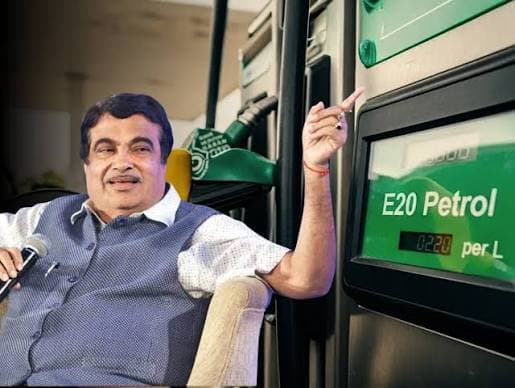
NewsUnion Minister Nitin Gadkari has fiercely defended India's E20 ethanol blending mandate, calling criticism 'sponsored propaganda,' even as vehicle owners worry about fuel efficiency and engine longevity. We break down the government's stance and what this standard fuel means for your daily drive and long-term car care.