Did you know?
The Nürburgring Nordschleife in Germany has 154 corners.
AutoThrust India
The latest car launches, in-depth reviews, variant price updates, and expert insights from India's roads.
Did you know?
A car's tyres can heat up to over 100°C during hard track driving.
Did you know?
The Nürburgring Nordschleife in Germany has 154 corners.
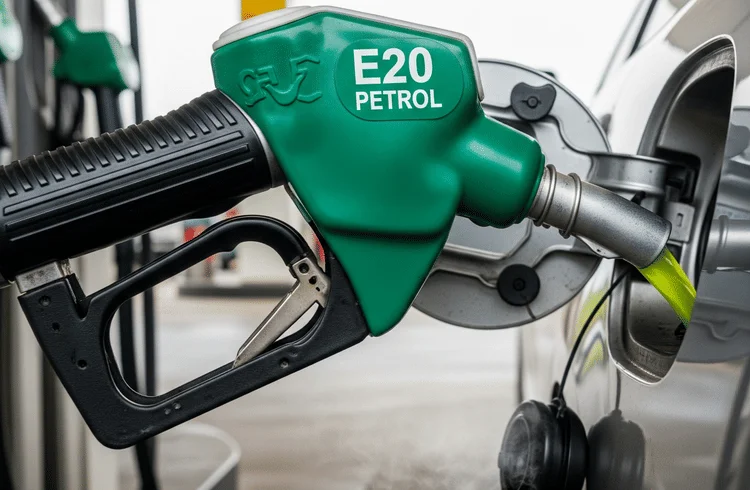
India is undergoing a massive green revolution in its automotive sector. While the push towards cleaner, sustainable fuels is commendable, it has sent a wave of anxiety through millions of car and motorcycle owners across the country. The culprit? E20 Petrol.
E20 petrol is a blend of 20% ethanol and 80% conventional petrol. While newer vehicles manufactured after April 2023 are designed to be E20-compliant, older BS4 and early BS6 vehicles are not. Ethanol is highly corrosive, hygroscopic (it attracts water), and can wreak havoc on non-compliant engines, fuel lines, and rubber gaskets.
As panic spreads, several DIY fixes, products, and mechanical workarounds have gone viral on the internet. In this detailed guide, we analyze the threat of E20 fuel and deep-dive into the top 3 viral solutions that vehicle owners are using to save their engines.
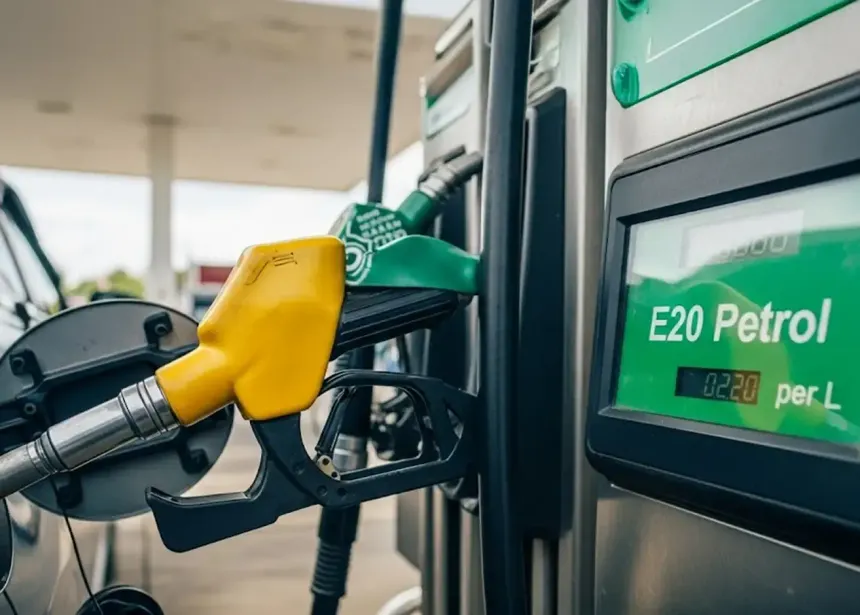
Before looking at the solutions, it is crucial to understand what makes ethanol-blended petrol harmful to older internal combustion engines (ICE).
Corrosion of Metal Parts: Ethanol is corrosive to metals like aluminum, zinc, and brass, which are commonly found in older carburetors, fuel tanks, and fuel pumps.
Degradation of Rubber and Plastic: Older fuel lines, O-rings, and gaskets dissolve or become brittle when exposed to high concentrations of ethanol, leading to dangerous fuel leaks.
Phase Separation: Ethanol readily absorbs moisture from the air. When the water content reaches a critical limit, the ethanol and water bind together and sink to the bottom of the fuel tank. This acidic mixture can ruin fuel injectors and prevent the engine from starting.
Loss of Fuel Efficiency: Ethanol has about 30% lower energy density than pure petrol. As a result, E20 fuel leads to a 6% to 8% drop in fuel economy.
ParameterE10 Petrol (10% Ethanol)E20 Petrol (20% Ethanol)Impact on Older EnginesMoisture AbsorptionModerateVery HighLeads to fuel phase separationCorrosive NatureLowHighCorrodes fuel tanks & metal partsRubber DegradationMinimal over short termRapid degradationCracks fuel hoses & sealsFuel Efficiency Loss~2-3% drop~6-10% dropNoticeable loss of mileageCompatibilityMost post-2008 vehiclesPost-April 2023 vehiclesHigh risk for older vehicles
If you own a pre-2023 vehicle and are worried about the damaging effects of E20 fuel, you are not alone. The internet has been buzzing with hacks, products, and mechanical solutions. Here are the top three viral solutions evaluated for their effectiveness and safety.
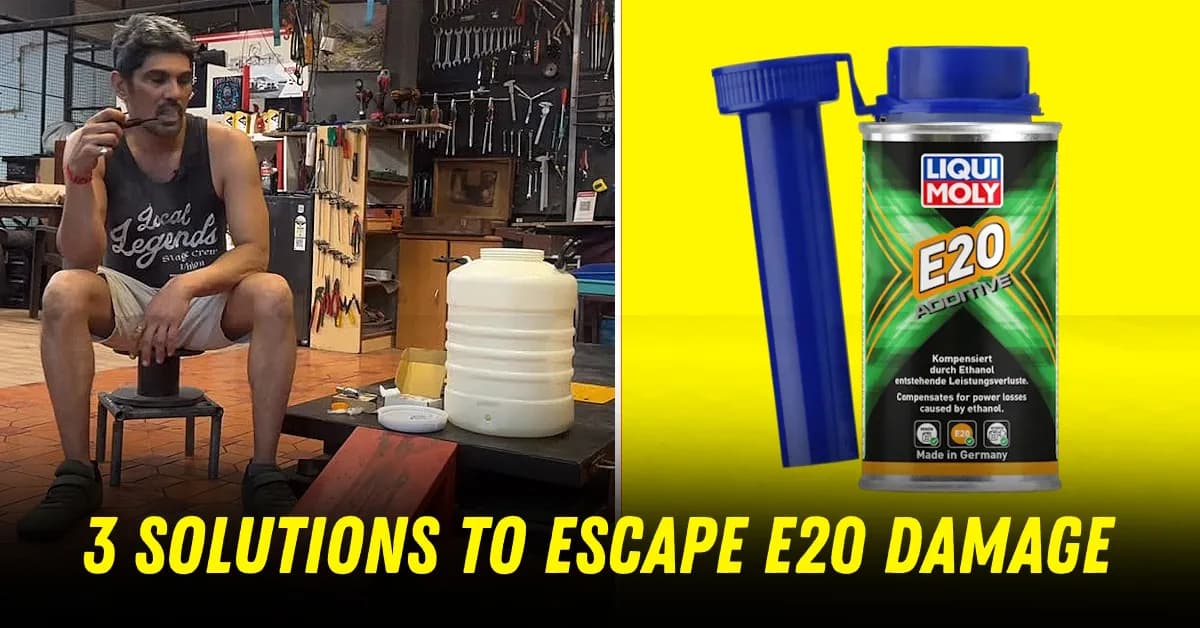
The most practical and widely discussed solution online is the use of specialized ethanol fuel stabilizers and additives. Brands like Liqui Moly, BG Products, Putoline, and Star Tron have gone viral on Indian automotive forums and YouTube channels.
How It Works: These chemical additives are poured directly into the fuel tank during a fill-up. They contain advanced corrosion inhibitors that coat the metal surfaces of your fuel system, preventing the ethanol from reacting with aluminum or steel. Furthermore, they contain emulsifying agents that prevent phase separation by keeping moisture suspended evenly in the fuel so it can be burned off safely without damaging the engine.
Pros: Highly effective, inexpensive per tank fill, requires zero mechanical modifications.
Cons: Recurring cost; you must add it every time you refuel.
Cost Estimate: Rs. 350 to Rs. 800 per bottle (one bottle typically treats 50 to 250 liters of fuel depending on concentration).
For vintage car collectors and owners of iconic older cars (like the Maruti 800, first-gen Honda City VTEC, or old Royal Enfields), a more permanent mechanical solution is trending on automotive DIY vlogs: retrofitting the fuel system.
How It Works: Enthusiasts are replacing stock rubber fuel hoses with Viton (fluoroelastomer) or PTFE (Teflon-lined) hoses. Unlike standard rubber, Viton and PTFE are chemically inert to ethanol and can withstand high-concentration blends indefinitely. Along with the hoses, owners are replacing older rubber gaskets and O-rings with synthetic equivalents and switching old metal fuel tanks to fiber-reinforced plastic tanks where possible.
Pros: Permanent, robust solution that eliminates the risk of fuel leaks and engine fires.
Cons: Expensive, labor-intensive, and requires finding a highly skilled mechanic.
Cost Estimate: Rs. 5,000 to Rs. 20,000 depending on the vehicle and extent of the replacement.
Another solution gaining massive traction on social media is bypassing standard E20 petrol entirely by switching to premium, high-octane fuels offered by major oil marketing companies (OMCs).
How It Works: Many internet users claim that premium fuels like Indian Oil's XP95 or XP100, HPCL's Power95, and BPCL's Speed contain distinct additive packages. While XP95 still contains ethanol, the advanced additives pre-blended by the oil companies significantly reduce corrosion and moisture buildup compared to standard, unbranded E20 petrol. For high-end performance cars, importing or purchasing high-octane, ethanol-free specialty fuels (where available in limited urban centers) remains the ultimate, albeit expensive, holy grail.
Pros: Readily available at most fuel stations, increases engine performance, reduces engine knocking.
Cons: More expensive than standard petrol; does not completely eliminate ethanol unless specified as 100% ethanol-free.
Cost Estimate: Rs. 5 to Rs. 15 premium per liter over standard petrol.
To help you decide which solution is best for your vehicle, here is a breakdown of risk categories based on manufacturing year:
Affected Vehicles: Carbureted cars, early fuel-injected models, older two-stroke and four-stroke motorcycles.
Risk Level: Critical. E20 will quickly corrode metal fuel tanks and rot rubber fuel hoses.
Recommended Solution: Combine Solution 2 (Viton hose upgrade) with regular use of Solution 1 (Ethanol additives).
Affected Vehicles: BS3, BS4, and early BS6 Phase 1 vehicles.
Risk Level: Moderate to High. These vehicles can tolerate E10 but will suffer accelerated wear on fuel injectors, fuel pumps, and gaskets with E20.
Recommended Solution: Use Solution 1 (Ethanol additive) with every alternate tank full, or consistently use Solution 3 (Premium fuel like XP95).
Affected Vehicles: BS6 Phase 2 (RDE compliant) vehicles.
Risk Level: Negligible. These engines are factory-tuned and built with materials designed to handle E20 petrol.
Recommended Solution: No special modifications needed. Follow standard manufacturer maintenance schedules.
While the introduction of E20 petrol is a necessary step towards reducing India's oil import bills and carbon footprint, the concern among vehicle owners is completely justified.
If you own a modern car bought after April 2023, you can drive stress-free. However, if you drive an older car or motorcycle that you cherish, do not ignore the E20 threat.
The most cost-effective and immediate safeguard is to keep a bottle of high-quality ethanol fuel additive in your glovebox. For those who plan to keep their vintage or older BS4 cars for another decade, investing in a Viton rubber hose upgrade is a wise, one-time insurance policy against fuel system failures.
Stay tuned to AutoThrust India for more expert advice, maintenance tips, and the latest updates from the Indian automotive world!
 News
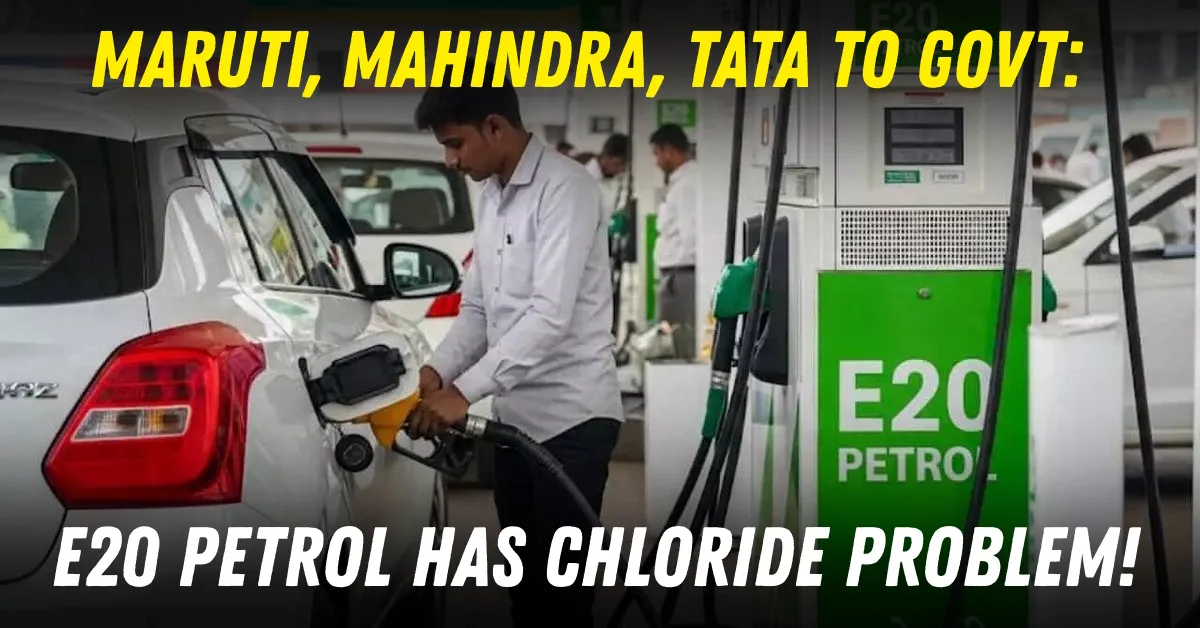
NewsA silent crisis is brewing in India's fuel stations. Excessive chloride and moisture in E20 petrol are destroying high-tech fuel systems, leaving buyers with massive repair bills.
 News
NewsThe government has acknowledged that E20 petrol costs more to produce than regular petrol due to the additional expense of ethanol blending. Here's why it is more expensive, what the government says, and what it could mean for consumers