Did you know?
Volkswagen means 'people's car' in German.
AutoThrust India
The latest car launches, in-depth reviews, variant price updates, and expert insights from India's roads.
Did you know?
The McLaren F1 still holds the record as the fastest naturally-aspirated car.
Did you know?
Volkswagen means 'people's car' in German.
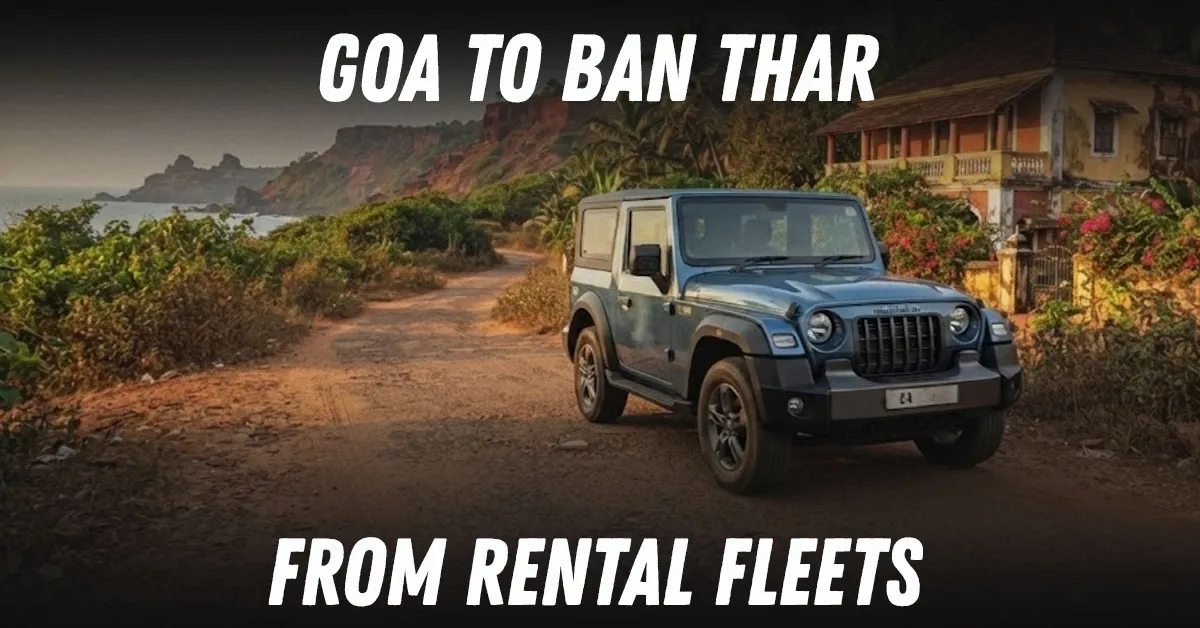
Goa, the sun-kissed paradise synonymous with freedom, adventure, and vibrant nightlife, is on the brink of implementing a controversial policy that could redefine the landscape of its tourist vehicle rentals. In a significant move that has sent ripples across the automotive and tourism sectors, the state government is reportedly set to ban the highly popular Mahindra Thar SUV from its rental fleets. The primary driver behind this contentious decision? A alarming surge in accidents involving the rugged off-roader, raising critical questions about driver experience, vehicle dynamics, and public safety.
The Mahindra Thar, with its iconic design and unparalleled off-road prowess, has become an indelible part of the Goan tourist experience. Its open-top variants offer a unique sense of liberation, perfectly complementing the state's adventurous spirit. However, this very popularity, coupled with the unique challenges of tourist driving, appears to have placed it under an unwelcome spotlight. AutoThrust India delves deep into the heart of this unfolding story, exploring the reasons behind the proposed ban, its potential impact, and the broader implications for both the automotive industry and Goa's thriving tourism.
For many visiting Goa, renting a Mahindra Thar isn't just about transportation; it's an integral part of the adventure. The vehicle's commanding road presence, robust build, and the sheer joy of cruising with the wind in your hair have made it an instant hit, especially among younger tourists and adventure seekers. Its ability to handle varied terrains, from pristine beach roads to occasionally challenging interior routes, seemingly made it a perfect fit for exploring Goa's diverse topography.
Rental agencies quickly caught on to this demand, stocking their fleets with numerous Thars. The SUV became a symbol of the Goan holiday – rugged, free-spirited, and ready for anything. It offered an image of exploration and fun that few other vehicles could match. The open-top versions, in particular, soared in popularity, providing an immersive experience that traditional cars couldn't replicate. This burgeoning demand created a lucrative niche for rental businesses, further cementing the Thar's status as a quintessential Goan rental.
However, what started as a symbol of freedom has now become a point of contention. The very characteristics that make the Thar appealing – its commanding presence, powerful engine, and distinct driving dynamics – are now being scrutinized as potential contributors to the rising accident statistics. The dream of a carefree ride through Goa's scenic routes is now shadowed by concerns for safety, prompting authorities to reconsider the role of this beloved SUV in the state's rental ecosystem.
The genesis of Goa's proposed Thar ban lies in official reports highlighting a disproportionately high number of accidents involving the SUV when operated as a rental vehicle. While specific statistics are yet to be fully publicised, anecdotal evidence and local police reports point towards a concerning pattern. Several factors are believed to contribute to this troubling trend, creating a perfect storm for mishaps:
Many tourists, particularly those from urban environments, may not be accustomed to driving a vehicle like the Mahindra Thar. Its body-on-frame chassis, higher centre of gravity, and often more robust steering feedback differ significantly from monocoque passenger cars. While these characteristics are part of its off-road charm and capability, they require a different driving approach, especially at higher speeds or during emergency manoeuvres. Inexperienced drivers, often unfamiliar with the Thar's nuances, might misjudge its handling capabilities.
The Thar's imposing stance and rugged aesthetics can sometimes instill a false sense of invincibility. This, combined with the holiday mood and potentially a lack of adherence to road safety rules, can lead to overconfidence. Instances of speeding, sharp turns, and improper overtaking are frequently cited as contributing factors in accidents. The allure of an 'adventure vehicle' can sometimes overshadow the imperative for responsible driving.
While Goa boasts many well-maintained roads, it also features narrow village lanes, winding coastal stretches, and unpredictable traffic patterns, including two-wheelers, pedestrians, and livestock. Navigating these varied conditions requires alertness and skill. For a tourist engrossed in the holiday spirit, these challenges can become amplified, especially in an unfamiliar vehicle.
Some critics argue that rental agencies might not always provide adequate briefings on the Thar's specific driving characteristics or emphasize critical safety precautions. While this might not be universally true, inconsistencies in renter education could play a role. Furthermore, the rigorous use endured by rental vehicles necessitates impeccable maintenance, and any
lapses could compromise vehicle safety.
It is crucial to differentiate between the vehicle's inherent design and the circumstances of its use. While the Thar is a capable and safe vehicle when driven responsibly and within its design parameters, its deployment in a high-turnover rental environment with varied driver skill levels presents unique challenges that authorities are now forced to address.
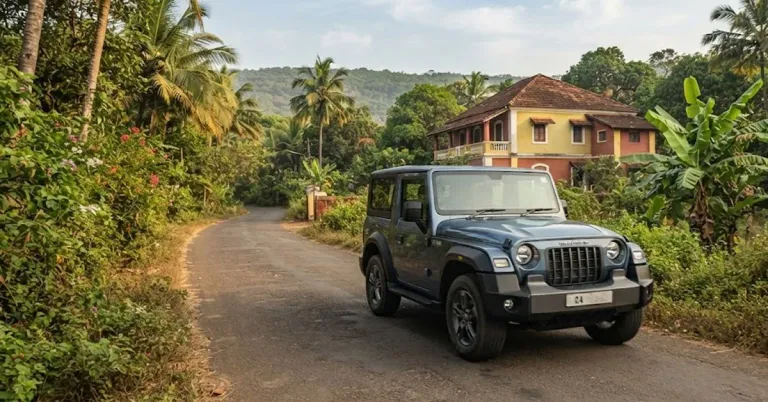
The proposed ban is a clear signal from the Goan administration that public safety takes precedence over commercial interests. The state government, reportedly led by the transport department, views the rising accident rates as an unacceptable risk to both tourists and local residents. While specific directives and implementation timelines are still under discussion, the intent is unequivocal: to curb accidents and enhance road safety across the state.
Officials are believed to be compiling data and consulting with various stakeholders, including law enforcement, local communities, and possibly rental associations, to formulate a robust policy. The move is not seen as an arbitrary targeting of a single vehicle but rather as a necessary intervention based on observed patterns and concerns for public welfare. The administration is likely weighing the economic impact against the human cost of accidents, opting for a stricter stance to protect lives and maintain Goa's reputation as a safe tourist destination.
This decision, if implemented, will send a strong message across the country regarding the responsibility associated with vehicle rentals, especially for high-performance or distinctive vehicles. It underscores the idea that while commercial operations are vital, they must operate within a framework that prioritises the well-being of all road users.
The potential ban on Mahindra Thars from Goa's rental fleets carries significant economic implications for various stakeholders. For the numerous small and medium-sized rental businesses that have invested heavily in acquiring Thars to meet tourist demand, the ban could mean substantial financial losses. These operators might struggle to repurpose or liquidate their Thar fleets, facing challenges in recovering their investments and potentially impacting their livelihoods.
Many rental agencies have built their brand around the adventure image offered by the Thar. Losing this key vehicle would necessitate a complete overhaul of their marketing strategies and fleet composition. They would need to acquire alternative vehicles, which might not offer the same appeal or command the same rental rates, potentially affecting their profitability. The operational shift, including new insurance policies and maintenance protocols for different vehicles, would also incur additional costs and complexities.
For tourists, particularly those who specifically seek the Thar experience, the ban could lead to disappointment. It might alter their perception of Goa as a destination for adventure and freedom. While alternative vehicles exist, none quite capture the specific niche that the Thar has carved out. This could potentially influence travel choices for a segment of the tourist population, although the overall impact on Goa's vast tourism industry might be contained, given the availability of numerous other rental options.
Beyond direct rental businesses, the ban could indirectly affect ancillary services like mechanics specialising in Thars, spare parts suppliers, and even local tourism promoters who leverage the Thar's image. The decision highlights the delicate balance between regulatory measures aimed at safety and the economic realities of a vibrant tourist economy.
From Mahindra's perspective, the proposed ban in Goa presents a nuanced challenge. The Mahindra Thar is a product of extensive engineering, designed to offer robust performance and safety. The latest generation Thar, in particular, boasts significant improvements in safety features, earning a commendable 4-star Global NCAP safety rating for adult and child occupant protection. This rating attests to the vehicle's structural integrity and passive safety systems like dual airbags, ABS with EBD, and ESP (Electronic Stability Program).
Mahindra would likely argue that the vehicle itself is not inherently unsafe. Instead, the issues stem from how it is used, particularly by inexperienced drivers in a rental context. The company has invested heavily in making the Thar a capable and modern SUV. They would likely advocate for solutions that focus on driver education, stricter rental protocols, and responsible driving behaviour rather than an outright ban on the vehicle itself. Mahindra might also highlight that the Thar is a globally recognized off-roader, celebrated for its durability and performance, and attributing accidents solely to the vehicle's design might be an oversimplification.
The debate thus shifts from 'is the Thar safe?' to 'is the Thar safe in the hands of every rental driver?' This distinction is crucial for both the manufacturer and the regulatory authorities to consider. Mahindra could potentially engage with the Goan government to offer training programs for rental operators or develop specific safety guidelines for tourists renting the Thar, aiming for a collaborative solution rather than a blanket prohibition.
While a ban offers a direct solution to curb accidents, it might not be the most comprehensive or sustainable approach. Stakeholders are already contemplating alternative strategies that could enhance safety without crippling the rental market or unfairly targeting a specific vehicle. These include:
Rental agencies could be mandated to provide a comprehensive briefing to Thar renters, detailing the vehicle's unique driving dynamics, safety features, and best practices for navigating Goan roads. This could include a short video or a practical demonstration before handing over the keys.
Implementing stricter criteria for renting specific vehicles, such as a minimum age (e.g., 25 years) or requiring proof of prior experience with SUVs or 4x4 vehicles, could filter out highly inexperienced drivers.
Integrating GPS trackers and telematics systems into rental vehicles could allow for monitoring of driving behaviour (e.g., harsh braking, overspeeding). While raising privacy concerns, this could serve as a deterrent to reckless driving and provide data for targeted interventions.
Specific insurance policies for rental Thars could be introduced, possibly with higher deductibles for accidents resulting from negligent driving, thereby incentivizing caution.
Broader public awareness campaigns focusing on responsible driving, especially for tourists on unfamiliar roads, could contribute significantly to overall road safety.
These alternatives suggest a multi-pronged approach that balances safety regulations with the operational realities of the tourism industry. It emphasizes education and responsibility, aiming to foster a culture of safe driving rather than merely restricting choices.
For those curious about the specifics of the vehicle at the centre of this debate, here's a brief overview of the Mahindra Thar's key specifications:
Engine Options: 2.0L mStallion 150 TGDi Turbo-Petrol | 2.2L mHawk 130 Diesel
Power Output: Petrol: 150 hp at 5000 rpm | Diesel: 130 hp at 3750 rpm
Torque: Petrol: 300-320 Nm at 1500-3000 rpm | Diesel: 300 Nm at 1600-2800 rpm
Transmission: 6-speed Manual | 6-speed Automatic
Drivetrain: Rear-Wheel Drive (RWD) for specific variants | 4x4 with Manual Shift-on-Fly Transfer Case (with low range) for other variants
Safety Features: Dual Airbags, ABS with EBD, ESP (Electronic Stability Program), Hill Hold Control, Hill Descent Control, Roll-over Mitigation
Seating Capacity: 4-seater (convertible soft top or fixed hardtop)
Ground Clearance: Up to ~226 mm (for 4x4 variants)
Suspension: Independent Double Wishbone (Front) | Multi-Link Coil Spring (Rear)
These specifications highlight the Thar's robust engineering designed for varied driving conditions. The introduction of RWD variants made it more accessible and fuel-efficient for urban use, while the 4x4 variants retain their formidable off-road capabilities.
Goa's impending ban on Mahindra Thars as rental vehicles is more than just a regulatory change; it's a critical moment for reflection on road safety, tourist responsibility, and the evolving dynamics of the automotive rental industry. While the move is undoubtedly contentious and will face resistance from various quarters, its underlying intent – to safeguard lives – is difficult to dispute.
For AutoThrust India, this development underscores the importance of not just producing safe vehicles, but also ensuring their responsible deployment and usage. The Mahindra Thar, a vehicle cherished by enthusiasts, finds itself caught in a conundrum where its popularity in a specific context has inadvertently led to safety concerns. The resolution to this challenge will likely involve a collaborative effort from government, rental operators, vehicle manufacturers, and most importantly, the drivers themselves. Only through a combination of stringent regulations, enhanced driver education, and a collective commitment to safety can Goa continue to offer its visitors the freedom of exploration without compromising the well-being of its people and its guests.
The ban is reportedly due to a significant increase in accidents involving Mahindra Thar rental vehicles, prompting safety concerns from Goan authorities.
 News
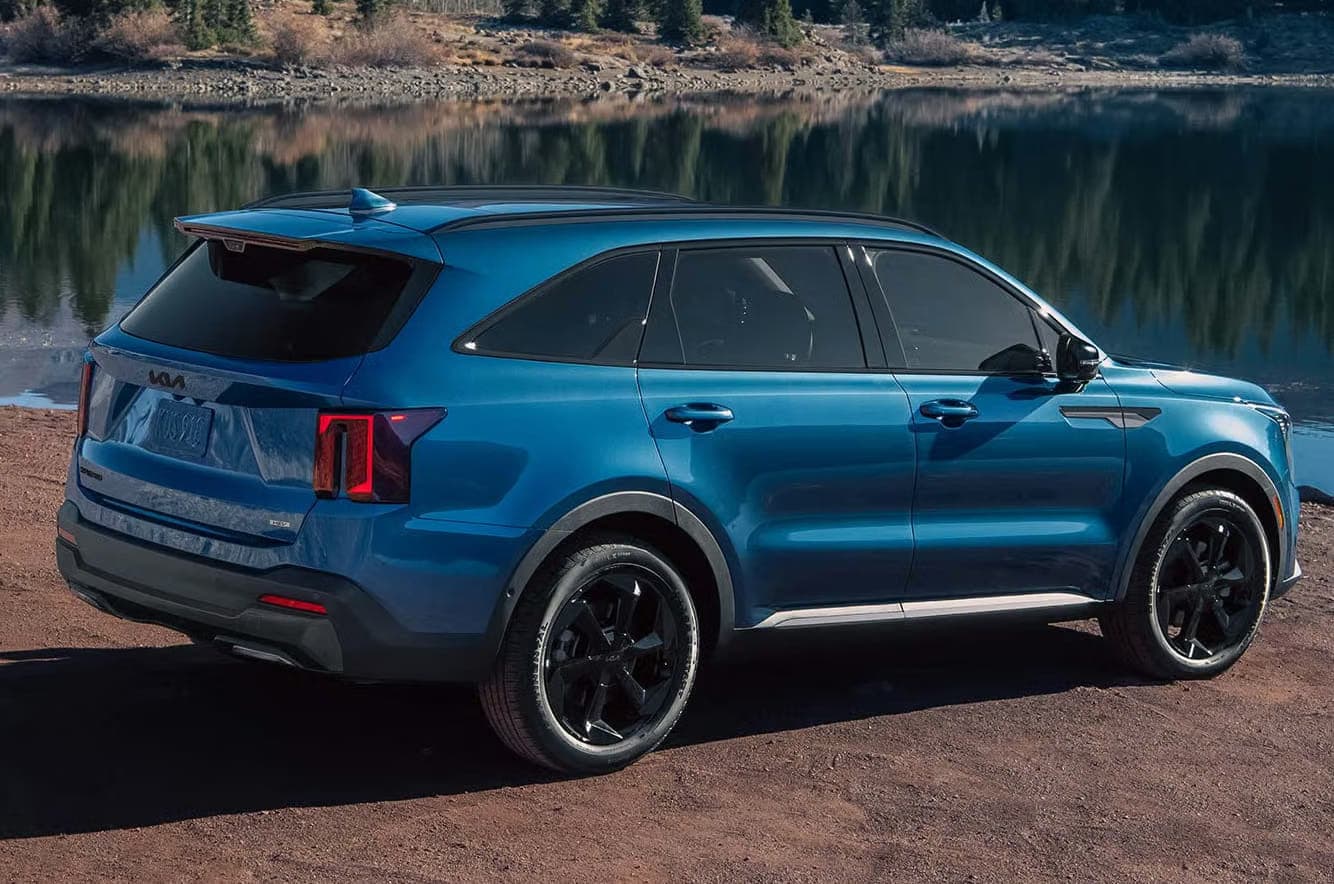
NewsKia has confirmed all-wheel drive for the heavily localized Sorento launching in September 2026. At an expected Rs 30-35 lakh, it poses a direct threat to premium European monocoques.
 News
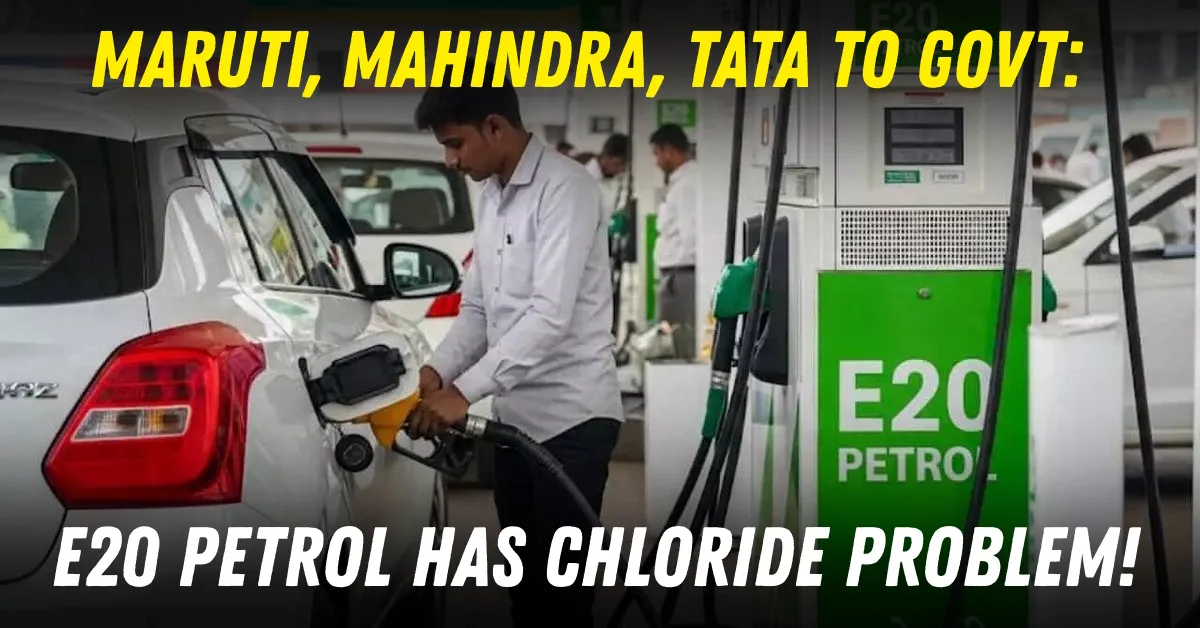
NewsIndia's biggest automakers — Maruti, Tata, Mahindra, and SIAM — have collectively raised a serious red flag: 'chloride issues' in E20 petrol. This isn't just a technical footnote; it's a direct challenge to E20's reliability and could impact your car's longevity and value.
 News
NewsA silent crisis is brewing in India's fuel stations. Excessive chloride and moisture in E20 petrol are destroying high-tech fuel systems, leaving buyers with massive repair bills.
Specific implementation dates are still emerging, but discussions indicate the government is moving swiftly to address the public safety issues.
Factors include inexperienced tourist drivers unfamiliar with the Thar's dynamics, overconfidence, and the vehicle's high center of gravity, especially on Goan roads.
Tourists might shift to other available SUVs or jeeps, while rental operators could diversify their fleets to comply with the new regulations.