Did you know?
The fuel in your tank is technically prehistoric — fossil fuel, after all.
AutoThrust India
The latest car launches, in-depth reviews, variant price updates, and expert insights from India's roads.
Did you know?
The first speeding ticket was issued in 1896 — the driver was doing 8 mph.
Did you know?
The fuel in your tank is technically prehistoric — fossil fuel, after all.
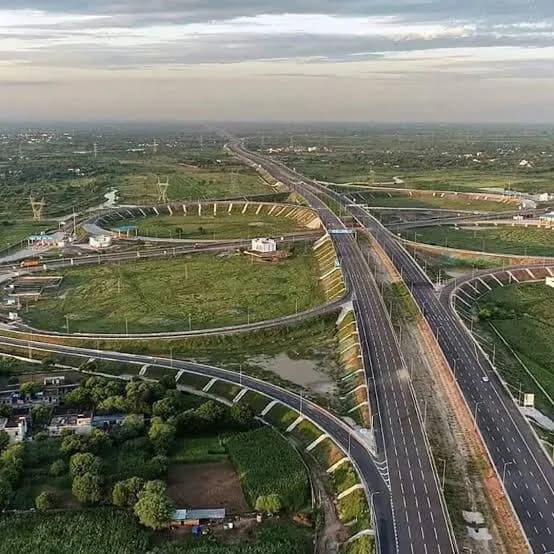
Uttar Pradesh is rapidly transitioning from a state known for its challenging road networks to the undisputed "Expressway Capital of India." In a massive push to boost connectivity, enhance logistics efficiency, and elevate road safety to global standards, the Ministry of Road Transport and Highways (MoRTH), in collaboration with the state government, has greenlit a monumental road infrastructure package worth Rs 1.94 Lakh Crore.
This colossal investment is not just about laying asphalt; it is a meticulously planned blueprint designed to redefine intra-state and inter-state travel. For motorists, logistics operators, and the automotive industry at large, this represents a paradigm shift. Improved highways translate directly to lower vehicular wear-and-tear, decreased transit times, enhanced fuel efficiency, and a massive surge in demand for high-performance, safe, and long-range vehicles. Let us dive deep into the micro-details of this mega infrastructure push and analyze what it means for Indian motoring.
The financial allocation of Rs 1.94 lakh crore is structured to address multiple facets of road transport. Rather than focusing solely on connecting major metropolitan hubs, the government is focusing on a multi-tier connectivity network that includes:
Greenfield Expressways: Creating entirely new, high-speed corridors to bypass congested urban centers.
Brownfield Upgrades: Widening existing national highways from 4-lane structures to 6-lane and 8-lane formats.
Urban Bypass Ring Roads: De-congesting tier-1 and tier-2 cities such as Lucknow, Kanpur, Gorakhpur, and Varanasi.
Inter-State Economic Corridors: Seamlessly connecting Uttar Pradesh with economic powerhouses in Delhi-NCR, Bihar, Madhya Pradesh, and Uttarakhand.
Project TypeAllocated Budget (Approx.)Primary FocusTarget Completion TimelineGreenfield ExpresswaysRs 85,000 CroreHigh-speed, access-controlled corridors2025 - 2026National Highway WideningRs 55,000 CroreDe-congesting high-traffic economic corridors2026Ring Roads & BypassesRs 30,000 CroreUrban de-congestion and city bypasses2025Bridges, Flyovers & UnderpassesRs 24,000 CroreEliminating black spots and railway crossingsContinuous
To appreciate the scale of this development, we must examine the specific flagship projects receiving funding and technological upgrades under this budget.
Spanning over 594 km, the Ganga Expressway is poised to become one of India's longest access-controlled highway networks. It connects Meerut in the west to Prayagraj in the east, effectively bridging the state's economic extremities.
Design Speed: 120 km/h
Width: Initial 6 lanes, expandable to 8 lanes
Key Connectivity Hubs: Meerut, Hapur, Bulandshahr, Amroha, Sambhal, Budaun, Shahjahanpur, Hardoi, Unnao, Rae Bareli, Pratapgarh, and Prayagraj.
Automotive Impact: Reduces travel time between western UP and eastern UP from 12-14 hours to a mere 6-7 hours.
This 63 km long, 6-lane access-controlled expressway is a highly anticipated project that will bridge the twin industrial and administrative capitals of Uttar Pradesh.
Design Speed: 100 km/h to 120 km/h
Width: 6 lanes (elevated corridors in congested urban stretches)
Key Benefits: Reduces travel time between Lucknow and Kanpur to under 45 minutes, down from the current 2 to 2.5 hours.
Connecting the industrial hub of Gorakhpur with the Purvanchal Expressway, this 91 km corridor will boost regional commerce.
Design Speed: 120 km/h
Width: 4 lanes, expandable to 6 lanes
Key Benefits: Seamless integration of eastern UP with Lucknow and the National Capital Region (NCR).
While already operational, a portion of the allocation is dedicated to adding advanced traffic management systems (ATMS), smart tolling networks, and dedicated EV charging plazas along this 296 km stretch to facilitate hassle-free highway cruising.
From an automotive perspective, better roads change the way manufacturers engineer cars and how consumers buy them. This infrastructure push is set to alter the Indian automotive landscape in several significant ways:
With speed limits consistently set at 100 km/h and 120 km/h across these new expressways, the demand for vehicles with excellent high-speed stability and robust dynamics is skyrocketing. Car buyers are shifting their focus from pure fuel economy to high-speed ride quality, cabin NVH (Noise, Vibration, and Harshness) levels, and highway overtaking capabilities.
As access-controlled expressways eliminate unpredictable pedestrian movement and slow-moving traffic, technologies like Adaptive Cruise Control, Lane Keep Assist, and Autonomous Emergency Braking (AEB) become incredibly useful. Car buyers are actively seeking vehicles equipped with Level 2 ADAS to reduce highway driving fatigue on these long, straight stretches.
A major chunk of the infrastructure budget is reserved for setting up "Green Corridors." These will feature high-capacity, DC fast-charging stations every 40-50 km along the expressways. This will effectively eliminate range anxiety for EV owners traveling from Delhi to Lucknow, Varanasi, or Gorakhpur, accelerating the adoption of premium electric vehicles.
Smoother tarmac, optimal banking on curves, and scientifically engineered banking angles mean less strain on a vehicle's suspension, braking systems, and tires. Fleet operators and private car owners can expect extended lifetimes for key mechanical components, lowering the long-term cost of vehicle ownership.
For the logistics sector, Uttar Pradesh has historically been a challenging state to navigate due to urban bottlenecks. The Rs 1.94 lakh crore push directly addresses these inefficiencies.
Stop-and-go traffic is the single largest contributor to fuel wastage and high emission rates in commercial vehicles. By providing high-speed bypasses around major cities, heavy commercial vehicles (HCVs) can maintain steady cruising speeds, optimizing fuel combustion and reducing emissions by up to 20-25% on long-haul routes.
Several multi-modal logistics parks are planned along these expressways, functioning as consolidation hubs where cargo can be transferred from long-haul trucks to smaller distribution vans. This structured hub-and-spoke model will boost delivery speeds for e-commerce and manufacturing sectors alike.
High-speed expressways come with their own set of safety challenges. To mitigate the risk of high-speed collisions, the upcoming infrastructure push incorporates advanced safety technologies:
Advanced Traffic Management System (ATMS): Real-time monitoring of traffic density, weather conditions, and speed violations via an interconnected network of CCTV cameras and radar sensors.
Anatomical Wildlife Crossings: Overpasses and underpasses specifically designed to allow local wildlife to cross safely, preventing animal-vehicle collisions.
Smart Toll Plazas: Next-generation tolling systems designed to work with advanced GPS-based tolling, reducing bottleneck delays at entry and exit points.
Emergency Medical Infrastructure: Trauma care centers and emergency heliports located at strategic intervals along the expressways for rapid medical response.
The Rs 1.94 lakh crore road infrastructure package is a watershed moment for Uttar Pradesh and the larger Indian automotive sector. By creating a world-class network of expressways, bypasses, and smart highway systems, the government is not only laying down asphalt but is also paving the way for economic prosperity.
For car enthusiasts, these highways offer the perfect excuse to plan long-distance road trips, allowing cars to stretch their legs safely and efficiently. For the logistics sector, it means unprecedented efficiency gains. As India marches toward becoming a global manufacturing powerhouse, world-class infrastructure in states like Uttar Pradesh will be the catalyst that drives us forward. The future of motoring in India is smooth, fast, and incredibly connected.
It is a massive central and state government funding initiative aimed at building greenfield expressways, widening existing national highways, and constructing smart bypasses to de-congest major cities across Uttar Pradesh.
 News
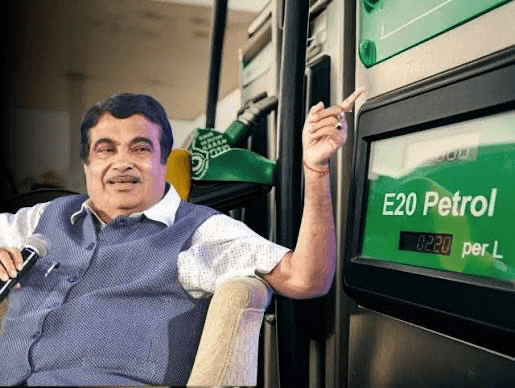
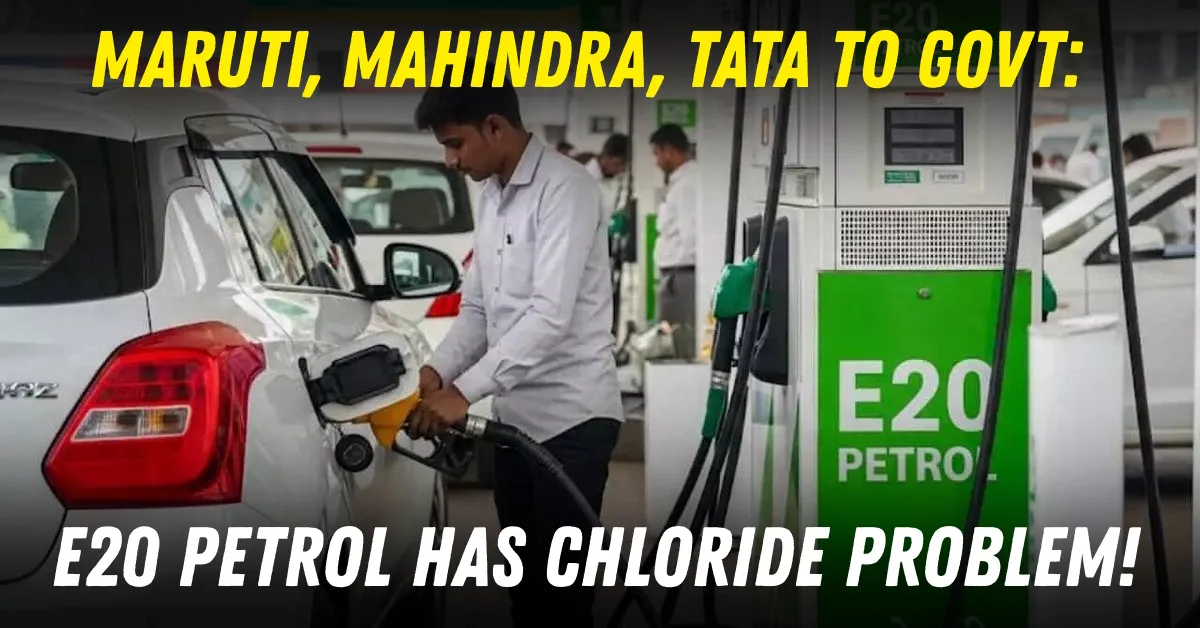
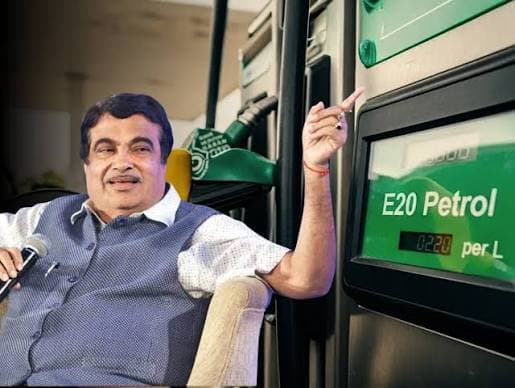
NewsUnion Minister Nitin Gadkari has fiercely defended India's E20 ethanol blending mandate, calling criticism 'sponsored propaganda,' even as vehicle owners worry about fuel efficiency and engine longevity. We break down the government's stance and what this standard fuel means for your daily drive and long-term car care.
 News
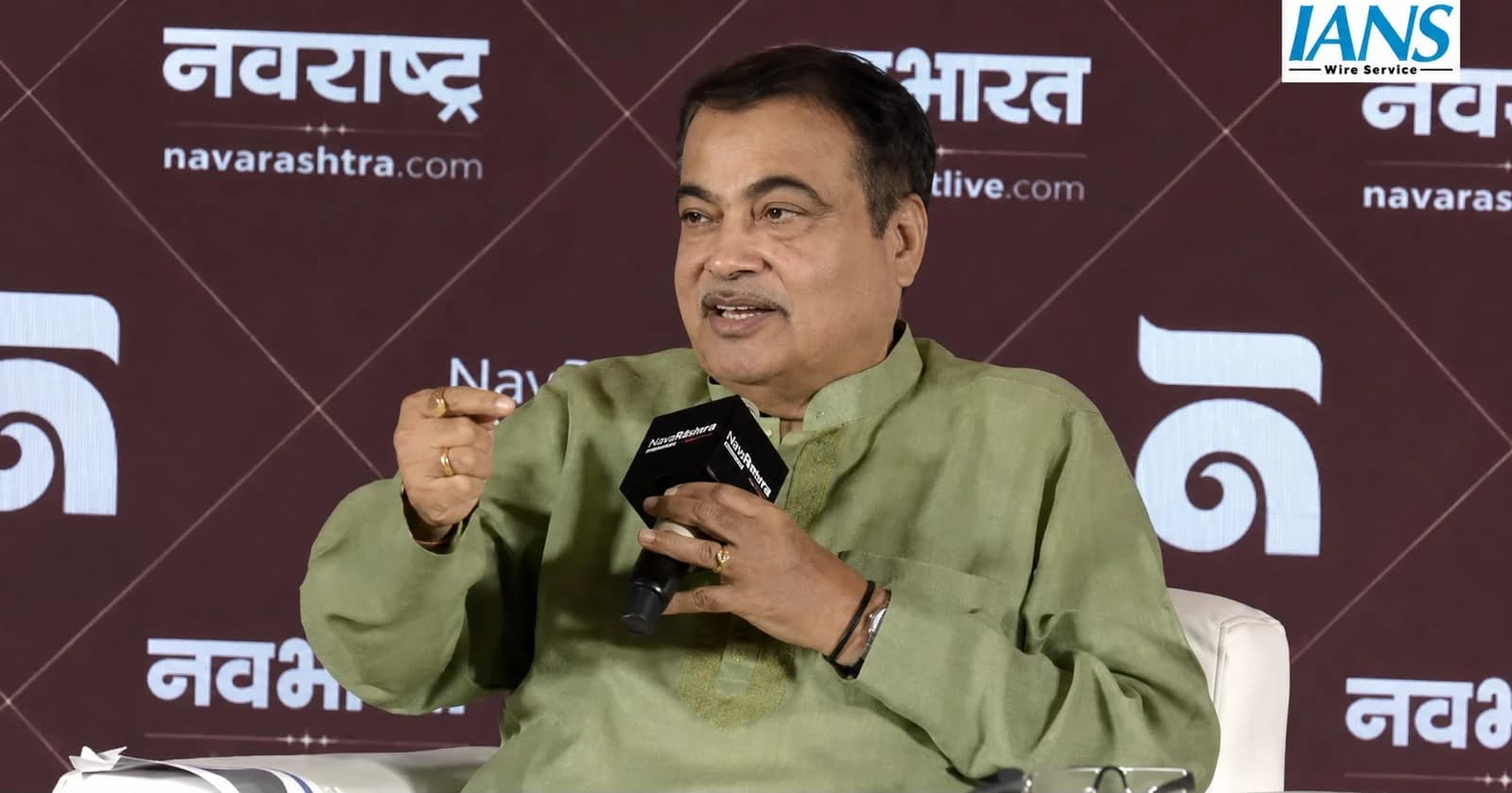
NewsUnion Minister Nitin Gadkari recently challenged E20 fuel critics, asking them to name a single car adversely affected by the blend. This firm statement reinforces India's commitment to E20, signaling a pivotal shift towards sustainable mobility and energy independence.
The key beneficiaries include the Ganga Expressway, the Lucknow-Kanpur Expressway, the Gorakhpur Link Expressway, and the existing Bundelkhand Expressway which will receive advanced smart traffic management upgrades.
The infrastructure push includes setting up high-capacity fast-charging corridors every 40-50 km along the major expressways, making long-distance inter-state EV travel reliable and free of range anxiety.
Most flagship projects under this massive budget allocation, including the Ganga Expressway and Lucknow-Kanpur corridor, are slated for phased completion between late 2025 and mid-2026.