Did you know?
The Mahindra Thar takes its name from the Thar Desert in Rajasthan.
AutoThrust India
The latest car launches, in-depth reviews, variant price updates, and expert insights from India's roads.
Did you know?
The Tata Nano was once the world's cheapest production car.
Did you know?
The Mahindra Thar takes its name from the Thar Desert in Rajasthan.
For over a decade, I've watched the Indian car market evolve from the driver's seat. Today, a used car isn't just a compromise; it’s a calculated, savvy financial decision. You get to bypass the brutal depreciation hit a new car takes in its first few years, stretching your budget further for a better-specced vehicle or even a segment upgrade. With new car prices steadily climbing and waiting periods for popular models often stretching months, the pre-owned market has become an undeniable draw.
But here’s the blunt truth: this thriving market is also a minefield. It’s rife with hidden issues, murky histories, and sellers eager to offload problems. Without proper diligence, that smart financial decision can quickly become a significant liability. This isn't just about spotting a scratch; it's about uncovering concealed damage, mechanical flaws, and, frankly, fraudulent practices. We've distilled our decade of experience into a comprehensive, non-negotiable 20-point checklist. By the time you're done here, you'll have the arsenal to navigate this market like a pro.
Before you even think about the price, you need to verify the car's actual condition. This demands your time, and ideally, the expertise of a trusted mechanic. Insist on it. This isn't optional; it's your first line of defence against a costly mistake.
Panel Gaps & Alignment: Inspect every panel – doors, bonnet, boot lid. Are the gaps consistent and even across all edges? Inconsistent gaps, or misaligned headlights and tail lights, almost always point to accident repairs or shoddy panel replacements. This isn't just cosmetic; it can indicate underlying structural issues from a significant impact.
Paint Condition: Look for uniformity. Patches of dull paint, overspray (paint on rubber seals or unpainted plastic), or varying textures immediately signal repainting. Critically, use a small magnet to check for excessive body filler (putty). If the magnet doesn't stick strongly or uniformly, that area has been filled – a definitive sign of major bodywork after an accident.
Rust Spots: This is crucial, especially in coastal areas like Mumbai or regions with heavy monsoon. Inspect wheel arches, door sills, under bumpers, and the exhaust pipe. Minor surface rust is often manageable, but bubbling paint or perforated metal means serious corrosion that will only worsen and prove expensive to fix. It also suggests neglect.
Tyre Condition: Check all four tyres, plus the spare. Look at the tread depth (it should be well above the legal 1.6mm limit). Uneven wear on one side indicates alignment issues, which can be costly to correct and affect safety. Also, check the manufacturing date (usually a four-digit code, WWYY). Tyres older than 5-6 years will need replacement soon, regardless of tread, as the rubber hardens and loses grip, especially dangerous during monsoons.
Glass & Lights: Ensure all windows, the windshield, and mirrors are crack-free. Test all exterior lights – headlights (high/low beam), indicators, fog lamps, brake lights, reverse lights. Condensation inside light clusters points to compromised seals and potential water ingress, which can damage the electricals.
Fluid Leaks: Before the engine is started, check under the car for any puddles of oil, coolant, or transmission fluid. Pop the hood and inspect around the engine block, transmission, and hoses. Clean surfaces around older leaks might indicate a recent wash, a classic tactic to hide issues. Don't be fooled.
Engine Oil & Coolant: Pull the engine oil dipstick. The oil should be golden brown, not black or gritty. Crucially, if it's milky, that's a red flag for coolant mixing with oil – a sign of a major engine issue like a blown head gasket. The coolant in the reservoir should be green or pink, not rusty brown or sludgy, which indicates neglect of the cooling system and potential overheating problems.
Battery & Terminals: Check for heavy corrosion on battery terminals. Note the battery's manufacturing date. An old battery, typically past 3-4 years, will soon need replacing, a hidden cost you should factor into negotiations.
Belts & Hoses: Inspect all drive belts for cracks or fraying. Squeeze the various hoses – they should feel firm, not overly soft, mushy, or brittle. Any signs of wear or degradation here can lead to expensive breakdowns.
Engine Sound (Cold Start): Insist on starting the engine cold. This is non-negotiable. Listen carefully for excessive cranking, unusual metallic noises, persistent ticking, or loud knocking. A healthy engine should settle into a smooth, consistent idle fairly quickly. Strange noises during a cold start are often magnified and reveal deeper mechanical issues.
Odometer Tampering: This is rampant in India. Cross-reference the odometer reading with service records (if available). Then, scrutinise the wear and tear on the pedals, steering wheel, and driver's seat. A car showing 40,000 km shouldn't have severely worn-out pedals or a shiny, smooth steering wheel, which are typical indicators of much higher mileage.
Air Conditioning: Turn the AC on full blast. It should cool quickly and silently. Test all fan speeds and, if equipped, check if the heater works. AC repairs can be surprisingly expensive, so ensure it's functioning perfectly.
Electricals & Infotainment: Test everything: all power windows, central locking, horn, wipers (front and rear), every button on the dashboard, the infotainment system, and all USB/charging ports. Ensure all warning lights on the instrument cluster illuminate briefly upon ignition and then turn off after starting. If a warning light doesn't come on at all, it might be a deliberate attempt to hide an issue.
Upholstery & Carpets: Check for tears, significant stains, and excessive wear. Critically, lift the floor mats and check the carpets underneath for dampness, mould, or sand/silt residue – these are strong, irrefutable indicators of flood damage, a deal-breaker given the long-term electrical and structural problems it creates.
Seatbelts: Pull each seatbelt out fully. Check for fraying, cuts, or stiffness. Ensure the buckles click securely and release smoothly. This is a critical safety component; don't compromise.
Underbody Inspection: If at all possible, get the car on a ramp at a trusted workshop. Look for excessive rust (beyond surface rust), major dents or scrapes on the chassis, bent suspension components, or exhaust system damage. These are tell-tale signs of rough usage or a significant accident.
Test Drive – Engine & Transmission: Drive the car for at least 15-20 minutes, encompassing both city and open-road conditions. Does the engine pull smoothly? Are there any flat spots in power delivery? For automatics, are shifts smooth or jerky? For manuals, is the clutch engagement smooth, and do gears engage without grinding? Any hesitation or harshness indicates potential issues.
Test Drive – Brakes & Steering: Test the brakes firmly in a safe, open area. Does the car pull to one side under braking? Is there any squealing or grinding noise? The pedal feel should be consistent, not spongy or overly hard. The steering should feel precise, with no excessive play, and should return to the centre naturally after a turn. These are fundamental safety checks.
Test Drive – Suspension: Drive over speed breakers and some rough patches. Listen for clunks, rattles, or squeaks. The ride shouldn't feel overly bouncy or harsh. A compromised suspension affects both comfort and handling, and can be expensive to rectify.
Each of these inspection points isn't just a suggestion; it's a critical checkpoint. Skipping any of them is like walking blindfolded into a minefield. Your primary goal isn't just to find a good car, but to avoid a bad one. Bringing a trusted mechanic isn't an option; for anything beyond superficial checks, it’s a necessity. Every flaw you uncover becomes leverage in price negotiation, or more importantly, a reason to walk away. Don't let the excitement of a new-to-you car cloud your judgment.
Verifying paperwork is just as crucial as the physical inspection. This isn't just bureaucracy; it's the car's legal and maintenance history, laid bare.
Registration Certificate (RC): Ensure the chassis and engine numbers on the RC precisely match the physical vehicle. Verify the owner's details against their ID. Most critically, check if the car is hypothecated – meaning a loan is still active against it. This absolutely must be cleared by the seller, and the hypothecation removed from the RC, before you finalise the transfer. Otherwise, you don't own the car, the bank does.
Insurance: Check for policy validity and, more importantly, the history of previous claims. Multiple claims often suggest an accident-prone vehicle, or a history of significant damage that has been repaired, potentially poorly.
Service History: This is gold. A complete, documented service history verifies mileage, confirms regular maintenance, and provides a timeline of any major repairs. A car with verifiable service records commands a premium because it offers transparency and reduces risk. Without it, you're buying into an unknown past.
Keys: Ensure you get both original keys. Modern car keys are often chipped and replacing a single lost key can be surprisingly expensive, easily running into thousands of rupees.
Once you've cleared the inspection and documentation, it's time to talk money. Used car prices in India are highly variable, influenced by region, demand, and condition. Never just accept the asking price.
Start by checking online valuation tools offered by platforms like OLX, Spinny, Cars24, or CarTrade. Input the car's exact make, model, year, variant, and mileage. These tools will give you a good ballpark figure, but remember, they often reflect advertised prices, not necessarily the final sold prices. Your inspection findings are your true leverage.
Factor in the cost of any identified minor issues. If your inspection revealed tyres nearing end-of-life, minor bodywork that needs attention, or an old battery, calculate those replacement costs and use them to justify a lower offer. A car with a complete service history and clear, verified documents naturally commands a premium. Conversely, a vehicle with significant accident history or evidence of flood damage should be priced substantially lower – or frankly, skipped entirely. It’s rarely worth the headache.
Also, consider the timing. Towards the end of the financial year (March) or calendar year (December), some sellers might be more motivated to close a deal quickly to upgrade or for tax purposes. This can be an opportune moment to snag a better price.
Each avenue carries its own set of pros and cons, and your comfort with risk and your budget will largely dictate the best approach for you.
Organised Used Car Dealers (Maruti True Value, Mahindra First Choice, Spinny, Cars24): For most buyers, these are the safest bet. They typically offer certified cars, often with a limited warranty and roadside assistance. They'll also handle the documentation transfer and usually perform basic refurbishment. The trade-off is higher prices, as they bake in their margins and certification costs. It’s great for peace of mind, but less likely to yield a deep bargain.
Direct Sellers (OLX, Quikr): This is where you might find the best deals, purely because there’s no middleman margin. You interact directly with the owner, allowing for detailed discussions about the car's history. However, this route carries the highest risk. You're solely responsible for inspection, negotiation, and verifying all documents. Unless you're mechanically inclined yourself or bringing a highly trusted mechanic, proceed with extreme caution.
Online Aggregators (Cardekho, Zigwheels, Droom): These platforms list cars from both dealers and individual sellers, offering a broader selection to compare options. Some also provide optional inspection services for a fee, acting as a hybrid approach that balances selection with some level of professional verification.
Our take: For first-time buyers or anyone uncomfortable with mechanical inspections, an organised dealer is the better, safer choice. The premium you pay is often worth the peace of mind. If you have experience, mechanical support, and a keen eye, a direct seller can yield a fantastic deal.
India's diverse road conditions and usage patterns mean there’s no single best car. Our recommendations target specific buyer profiles in the used car market:
Buyer ProfileKey NeedsOur Top PicksAutoThrust InsightFirst-Time Buyer / City CommuterCompact, easy to drive, fuel-efficient, low maintenance, excellent service network, good resale.Maruti Suzuki Swift / WagonR<br>Hyundai Grand i10Maruti's unbeatable service network and readily available spares make the Swift and WagonR incredibly practical. They’re nimble in Bengaluru traffic and robust for daily grind. The Grand i10 offers a slightly more premium feel and ride comfort for city duties, with a strong Hyundai network.Young Family / City & Occasional HighwayMore space, comfortable for 4-5, decent highway manners, reliable, good safety features (ABS, airbags).Maruti Suzuki Baleno / Swift Dzire<br>Hyundai i20 / Aura<br>Honda Amaze / City (older generation)The Baleno provides a spacious cabin and a more premium hatchback feel, while the Dzire adds a usable boot – both are economical and reliable. The i20 and Aura offer better interior quality and features. An older, well-maintained Honda Amaze or City delivers excellent refinement and comfort, especially on longer NH48 runs.Highway Commuter / Large FamilyRobust build, comfortable for long distances, good luggage space, powerful engine, reliable.Honda City (4th/5th Gen)<br>Hyundai Creta / Kia Seltos (older generations)<br>Mahindra XUV500 (older gen)The Honda City remains a benchmark for mid-size sedans, known for its refined i-VTEC petrol engine and comfortable long-distance cruising. Older Creta/Seltos offer high ground clearance and feature-rich interiors, ideal for varied Indian roads. The XUV500, if well-maintained, gives true 7-seater capability and strong diesel torque for long-haul family trips, though check for maintenance history as some early models had niggles.
Buying a used car in India is a smart move, but only if you arm yourself with knowledge and diligence. Our 20-point checklist isn't just a guide; it's your roadmap to avoiding a lemon and securing a truly great deal. Take your time, inspect thoroughly, verify every document, and negotiate fiercely. Your savviness in the pre-owned market will directly correlate with the quality and value of the car you ultimately drive home. Don't rush, don't compromise on checks, and you'll find that financial masterstroke you're looking for.
 Buying Guides
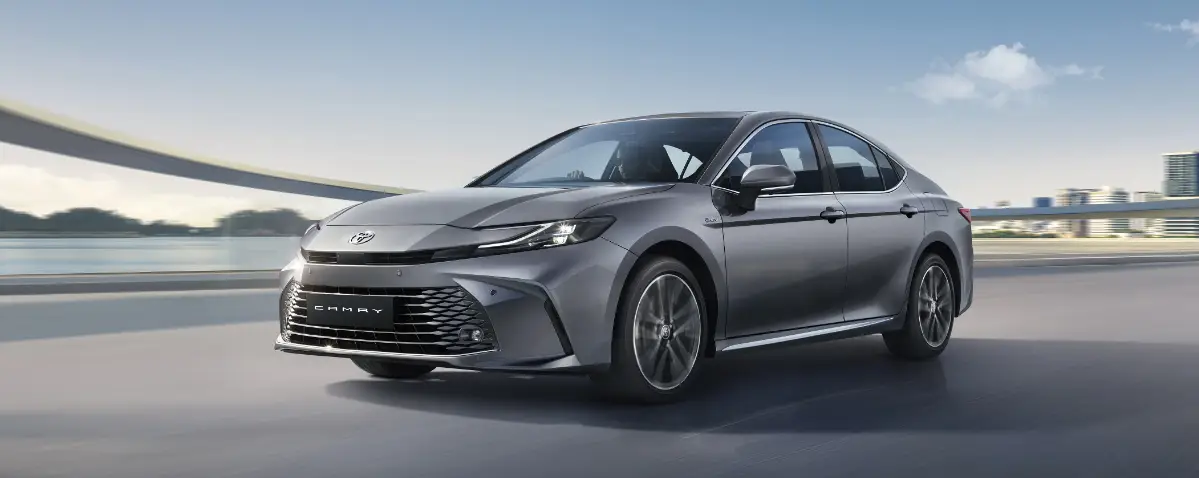
Deciding between petrol, strong hybrid, or EV in India isn't just about the showroom price; it's about your monthly mileage, fuel bills, and long-term value. We cut through the noise with a definitive guide tailored to Indian driving habits.
 Buying Guides
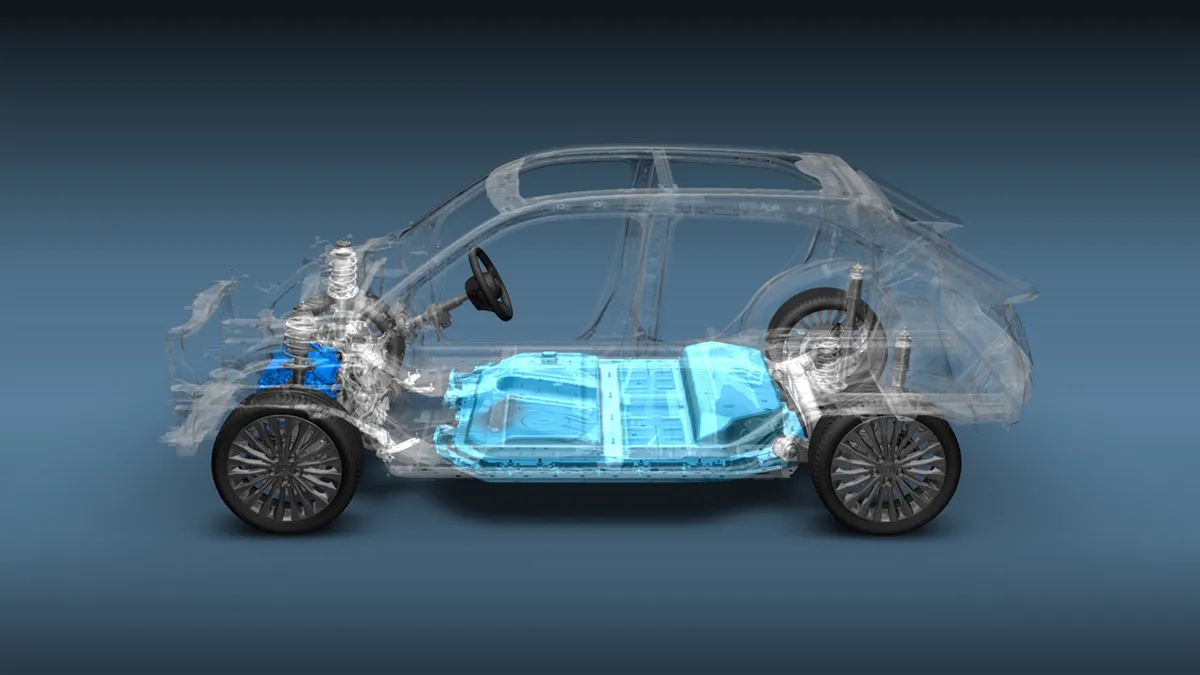
Used electric cars are depreciating fast in India. Here is how to find a high-quality pre-owned EV, run diagnostics on the battery, and avoid massive replacement bills.
Verifying the car's underbody for excessive rust, chassis damage, or bent suspension components is paramount. This can reveal severe accidents or rough usage that compromise safety and long-term reliability. Always try to get it on a ramp for a thorough check.
Cross-reference the odometer reading with service records, if available. Also, closely examine the wear on the pedals, steering wheel, and driver's seat. Excessive wear inconsistent with the displayed mileage is a strong indicator of tampering.
No, it is strongly advised to skip cars with flood damage, even if repaired. Evidence like dampness, mould, or silt under carpets points to long-term electrical issues, extensive hidden corrosion, and compromised safety, making them a significant liability.
For first-time buyers or those without mechanical expertise, an organised dealer offers more peace of mind with certified cars and warranties, albeit at a higher price. Experienced buyers with mechanical support might find better bargains directly from sellers.