Did you know?
The average car has around 30,000 individual parts.
AutoThrust India
The latest car launches, in-depth reviews, variant price updates, and expert insights from India's roads.
Did you know?
The average car has around 30,000 individual parts.
Did you know?
The average car has around 30,000 individual parts.

Don't buy an electric car because you think you are single-handedly saving the planet. Buy one because you want to slash your monthly running costs, or because you are exhausted by the soul-crushing crawl of bumper-to-bumper city traffic. Let's be entirely honest: the Indian electric vehicle (EV) market is currently a wild west of over-optimistic range claims, chaotic public charging networks, and unpredictable resale values.
If you have a budget of under ₹20 lakh, you are sitting in the absolute sweet spot of the Indian EV transition. Manufacturers are fighting tooth and nail for this price bracket. But choosing the wrong car can turn your electric dream into an expensive, stationary nightmare.
By the time you finish reading this guide, you will know exactly whether your daily driving patterns justify parking an EV in your garage. You will understand how much range you will actually get when the peak Indian summer forces your air conditioner to run at full blast, and which specific model fits your lifestyle.
We need to talk about the Modified Indian Driving Cycle (MIDC). This is the laboratory test used to certify EV ranges in India. It is done in highly controlled environments with zero wind resistance, no traffic, and critically, the air conditioning turned off.
In India, driving without AC is a myth.
As a rule of thumb, you should instantly subtract 30% to 35% from any manufacturer's claimed range to find the real-world figure. If a car claims 315 km, expect around 200 km to 215 km in everyday conditions. If you drive aggressively, or if you are stuck in a notorious Bengaluru traffic snarl on a 40-degree afternoon with the climate control set to a chilly 18 degrees, that number will drop even further. Highway driving also drains the battery much faster than city driving because electric motors do not benefit from coasting or regenerative braking at sustained high speeds.
Regenerative braking is your best friend in the city. Every time you lift your foot off the accelerator, the motor reverses to slow the car down, sending energy back into the battery. In stop-and-go city traffic, this system works beautifully. On NH48, it barely gets a chance to kick in.
Only a handful of players dominate this price bracket. Let us break down the contenders that actually deserve your attention.
Let’s get one thing out of the way. The MG Comet EV looks odd. It is a tall, narrow, two-door box on tiny wheels. If you have a large family or want a car that projects status, skip it entirely.
However, if you want a dedicated second car for the daily run to the office or the local market, the Comet is brilliant. Because of its tiny footprint, you can slot it into parking spaces that would make a hatchback driver sweat. The turning radius is incredibly tight. Inside, the cabin feels surprisingly premium with dual screens and decent materials.
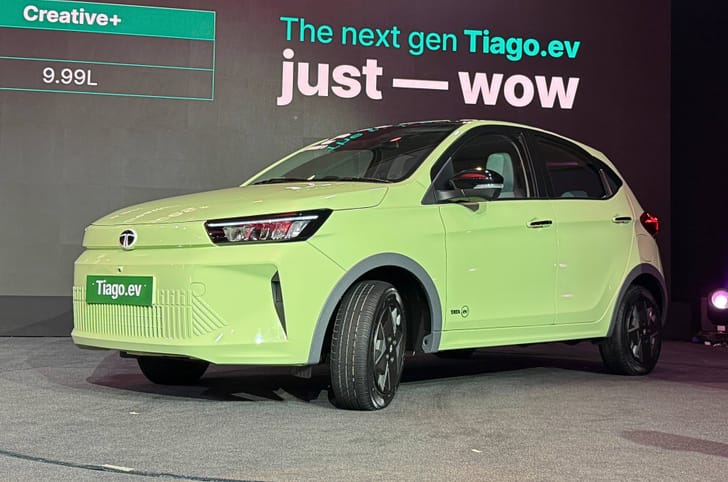
If the Comet is too unconventional, the Tata Tiago EV is the safest entry point into the electric world. It looks, feels, and drives like a normal petrol hatchback. You do not have to explain your purchase to skeptical neighbors.
It drives with a level of peppiness that will surprise anyone coming from a budget petrol car. Instant torque means you zip gaps in city traffic effortlessly. Ride quality is mature, absorbing sharp bumps better than many larger hatchbacks.
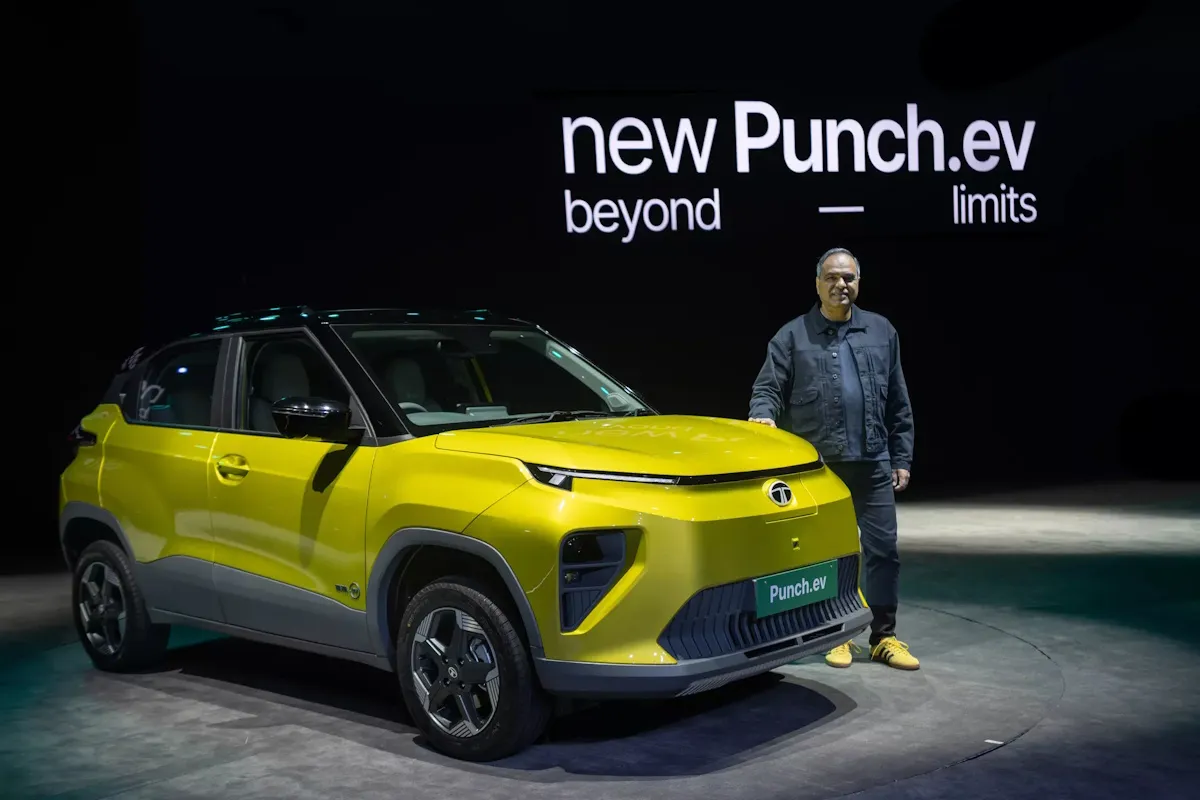
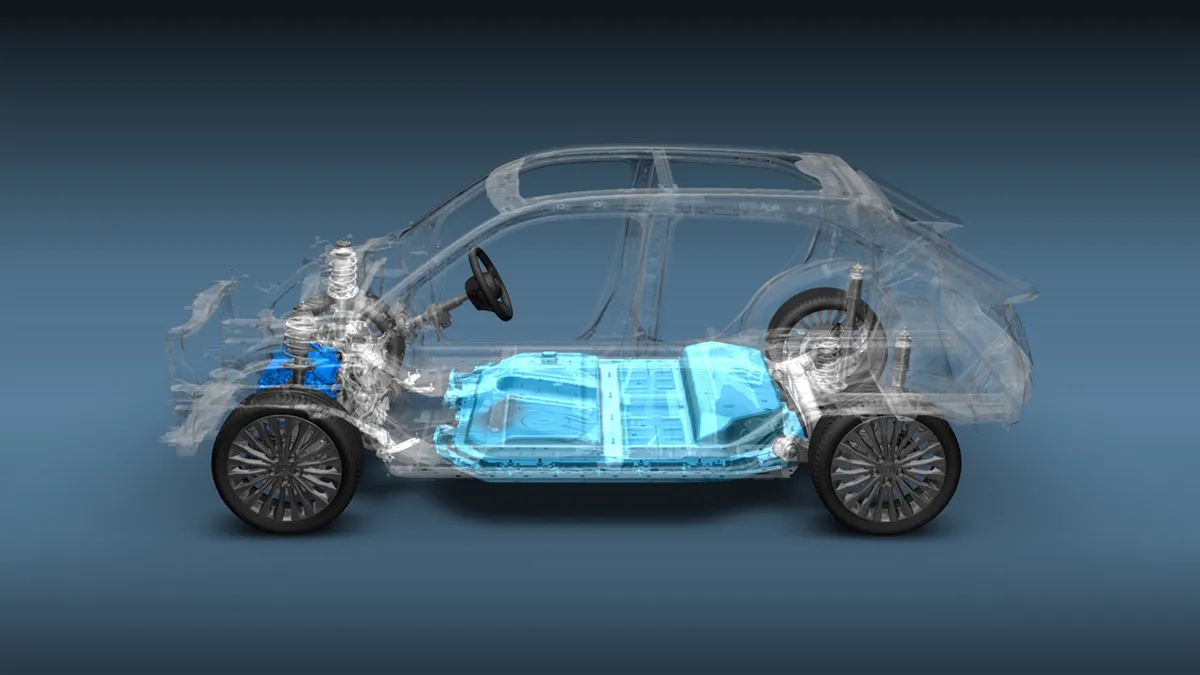
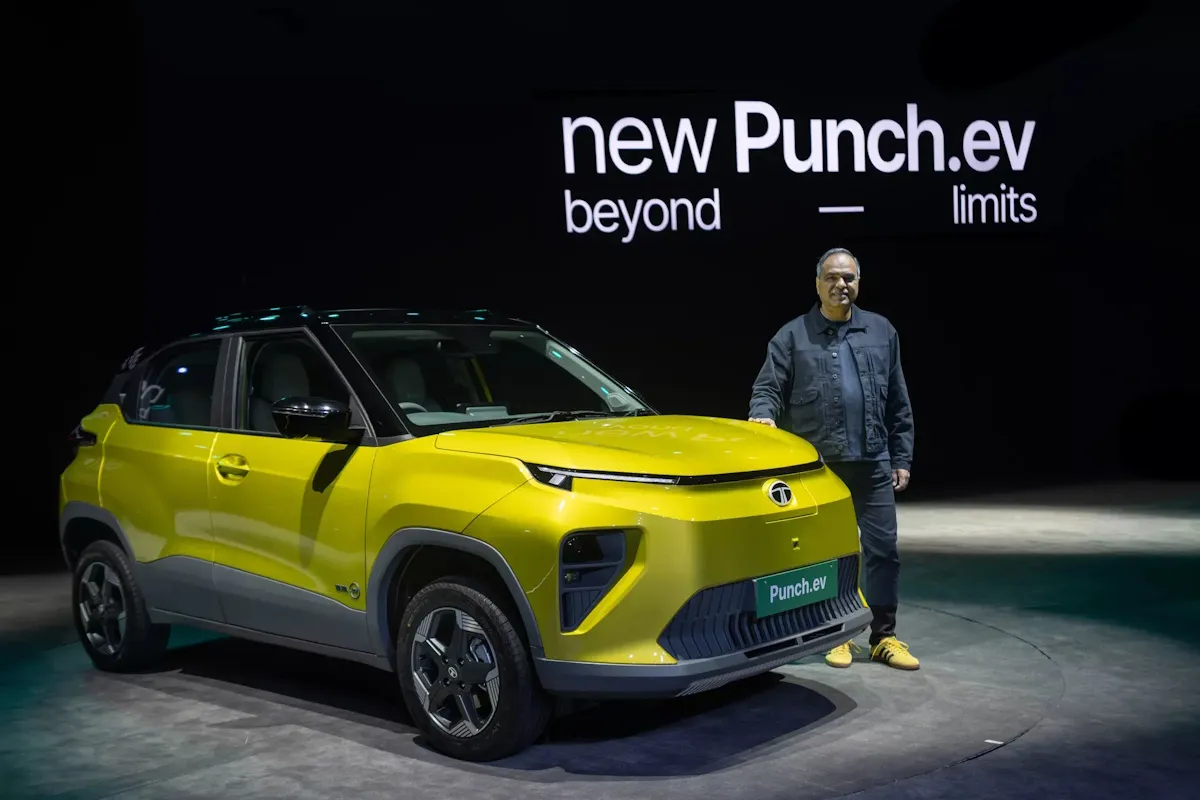
Unlike the Tiago EV, which is a converted petrol car, the Punch EV is built on Tata's dedicated Acti.ev electric platform. This is a crucial distinction. It means the packaging is vastly superior. There is no transmission tunnel hump on the rear floor, and the battery pack is integrated much better into the chassis.
It offers a commanding driving position, excellent ground clearance for negotiating flooded roads, and a surprisingly spacious cabin. It feels like a proper, solid SUV.
MG threw a curveball into the Indian market with the Windsor EV. It is a large, spacious crossover that looks like a futuristic MPV. It features highly reclining rear seats that MG calls 'Grand Lounge' seating, which are easily the most comfortable seats in any car under ₹20 lakh.
It also introduced the Battery-as-a-Service (BaaS) ownership model. This allows you to buy the car at a lower upfront cost while renting the battery at a fixed cost per kilometer. If you prefer simple ownership, you can still buy the car with the battery included.
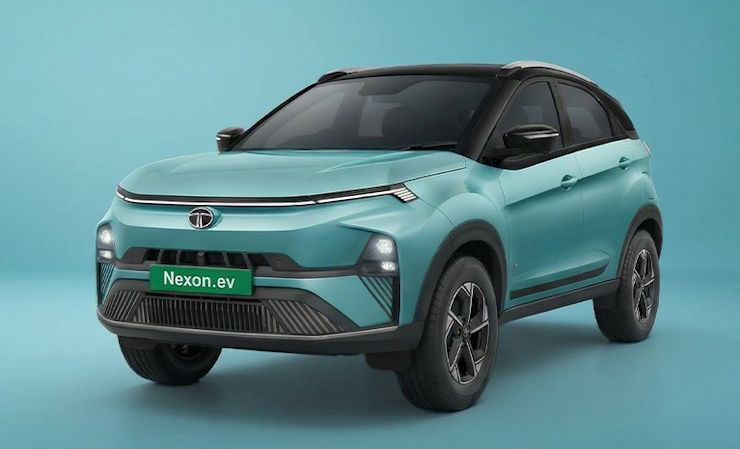
The Nexon EV is the car that made India take electric vehicles seriously. It remains the gold standard for anyone wanting a complete, do-it-all family car. It is safe, boasts a five-star crash rating, looks incredibly sharp, and has a punchy motor that makes overtaking on highways a breeze.
| Vehicle | Battery Pack (kWh) | Claimed Range (MIDC) | Real-World Range (Est.) | Fast Charging Support | Primary Use Case |
|---|---|---|---|---|---|
| MG Comet EV | 17.3 | 230 km | 140–150 km | No | Strict City Runabout |
| Tata Tiago EV (LR) | 24.0 | 315 km | 190–210 km | Yes (DC Fast) | Budget City Commute |
| Tata Punch EV (LR) | 35.0 | 421 km | 260–280 km | Yes (DC Fast) | All-Rounder Urban SUV |
| MG Windsor EV | 38.0 | 331 km | 240–260 km | Yes (DC Fast) | Chauffeur/Comfort Cruiser |
| Tata Nexon EV (LR) | 40.5 | 465 km | 280–310 km | Yes (DC Fast) | Highway-Capable Family Car |
Note: All prices and specifications are approximate and subject to change. Always check the latest ex-showroom and on-road pricing with your local dealers, as state-wise EV road tax exemptions vary significantly.
If you cannot install a charger at your permanent parking spot, do not buy an electric car yet. It is that simple.
Using public fast chargers as your primary source of power is expensive, highly inconvenient, and terrible for your battery's long-term health. Public DC fast charging should be treated like a highway restaurant: something you use on a trip, not where you eat every single day.
Charging your car overnight using a standard 15A plug or a dedicated 7.2 kW AC wall-box charger is incredibly convenient. You wake up every morning with a full tank. It takes less than thirty seconds of actual physical effort to plug the car in at night and unplug it in the morning.
On the highway, public charging is still a gamble. You will face charger offline messages, internal cooling failures of the charging unit, and other drivers who park their cars in charging bays without actually plugging in. Planning is required. You cannot simply drive out onto a national highway without mapping out backup charging stations.
Maintaining an EV is incredibly cheap compared to a petrol or diesel car. There is no engine oil to change, no spark plugs to replace, and no complex gearbox to service. Your regular maintenance involves replacing cabin air filters, topping up windshield washer fluid, and checking brake pads. Because of regenerative braking, your brake pads will easily last twice as long as they would in a conventional car.
However, do not fall for the myth that EVs have zero running costs. Tires wear out faster on electric cars because of the heavy battery packs and the instant torque of the electric motors.
Then there is the elephant in the room: battery degradation. Most manufacturers offer an eight-year or 1.6 lakh kilometer warranty on the battery and motor. This pack will not suddenly die on day one of year nine. Instead, its maximum capacity will slowly degrade, much like your smartphone battery.
Resale value remains a major question mark in India. Used car buyers are deeply skeptical about purchasing a pre-owned EV out of warranty. Expect your electric car to depreciate faster than an equivalent petrol Maruti or Hyundai over a five-year cycle.
An electric car is not for everyone. You should avoid buying an EV if:
If you fall into these categories, buying a highly efficient petrol-hybrid or a modern petrol car is still the much smarter financial and practical decision.
We have tested these cars across every conceivable road surface in India. Here are our definitive, honest recommendations based on your specific profile.
If you want to escape the high cost of petrol but need a real car that can occasionally carry four adults in decent comfort, the Tiago EV Long Range is our pick. Avoid the Medium Range version; the price difference is small, but the peace of mind offered by the larger battery is massive.
This is the most balanced electric car under ₹20 lakh today. The cabin feels modern, the boot space is highly usable, and the high ground clearance means you do not have to worry about broken suburban roads. It is easy to park yet feels substantial on the road.
If your daily commute involves sitting in the rear seat while your driver navigates chaotic city traffic, the Windsor EV is unmatched. The legroom is massive, and the rear seat comfort easily rivals cars from two segments above. It is a fantastic, highly comfortable cruiser.
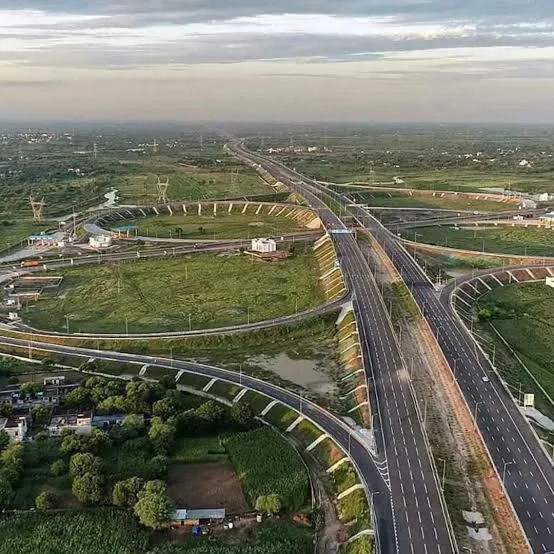
If you want an EV that can easily handle the occasional weekend getaway from Mumbai to Pune or Bengaluru to Mysore, the Nexon EV Long Range is the default choice. It has the highway stability, safety, and real-world range needed to make road trips stress-free.
While manufacturers claim ranges between 300 km and 450 km, the actual real-world range typically sits between 180 km and 300 km depending on battery size, AC usage, and driving speeds.
 Buying Guides
Used electric cars are depreciating fast in India. Here is how to find a high-quality pre-owned EV, run diagnostics on the battery, and avoid massive replacement bills.
 News
NewsTata Motors has achieved a historic milestone in India's electric vehicle industry by becoming the first automaker in the country to surpass 3 lakh cumulative EV sales. The achievement further strengthens Tata's leadership position in the rapidly growing electric mobility segment, where it currently commands a market share of 38.9 percent.
Yes, all electric cars in India can be charged using a standard 15A three-pin domestic power socket. It is slow but highly convenient for overnight charging.
Most Indian manufacturers offer an 8-year or 1,60,000 km warranty on the battery pack. Modern lithium-ion packs are designed to last well over 10 to 12 years before needing replacement.
Yes, EVs have fewer moving parts, requiring no engine oil, spark plugs, or transmission fluid changes. Regular service is significantly cheaper than conventional petrol or diesel vehicles.