Did you know?
Lamborghini originally built tractors before making supercars.
AutoThrust India
The latest car launches, in-depth reviews, variant price updates, and expert insights from India's roads.
Did you know?
A Formula 1 car can brake from 200 km/h to a standstill in about 4 seconds.
Did you know?
Lamborghini originally built tractors before making supercars.

You have a budget of fifteen lakh rupees. A decade ago, this sum bought a top-tier executive sedan or a rugged, mid-size SUV. Today, it lands you square in the middle of India’s most fiercely contested battleground: the sub-four-meter and compact SUV space. If you walk into a multi-brand showroom with this budget, you will be bombarded with screens, sunroofs, and promises of high mileage.
The reality of Indian roads is far harsher than any brochure suggests. Potholes on the Mumbai-Pune expressway do not care about ambient lighting. Bengaluru's bumper-to-bumper traffic exposes laggy automatic gearboxes instantly. When buying an SUV in this bracket, you must look past the spec sheet and focus on how the vehicle actually fits your daily life.
By the end of this guide, you will know exactly which SUV suits your specific driving patterns, your family size, and your tolerance for service center visits. We will look at real-world fuel economy, ride comfort, and maintenance costs—not just the marketing numbers.
Every SUV under ₹15 lakh represents a compromise. There is no single vehicle in this segment that scores a perfect ten in safety, performance, fuel economy, comfort, and resale value. You must decide which compromise you can live with.
If you want the legendary fuel efficiency of a Maruti Suzuki, you must accept thinner sheet metal and a somewhat uninspiring engine. If you want the tank-like build and reassuring safety of a Tata, you must be prepared to play roulette with their hit-or-miss service network. If you want the European driving dynamics of a Skoda, you have to accept higher maintenance costs down the line.
Identifying your primary driving environment is the first step. Are you spending ninety percent of your time navigating congested city streets, or do you spend your weekends cruising down the NH48? Your answer to this single question should eliminate half the contenders on your shortlist immediately.
If your daily commute involves crawling through stop-and-go traffic, the Maruti Suzuki Brezza is the most sensible choice. The heart of this SUV is the K15C 1.5-litre naturally aspirated petrol engine. It is not a fast car. Try a quick overtake on a two-lane highway with five passengers onboard, and you will find yourself wishing for more mid-range punch.
In the city, however, it shines. The power delivery is linear, predictable, and incredibly smooth. There is no turbo-lag to manage. You can crawl in second gear all day without stall anxiety.
Our take on the transmission is simple: skip the manual if you can afford it. The six-speed torque converter automatic is brilliant for city traffic. It is far smoother than the jerky Automated Manual Transmissions (AMTs) offered by rivals. It also comes with paddle shifters if you want a modicum of control.
Real-world fuel economy in the city ranges between 11–13 kmpl. On the highway, if you cruise at 90 km/h, it can easily deliver 16–18 kmpl. Keep in mind that Maruti’s service network remains unmatched. If you break down in a remote corner of Himachal Pradesh, chances are there is a Maruti mechanic nearby who can fix your car.
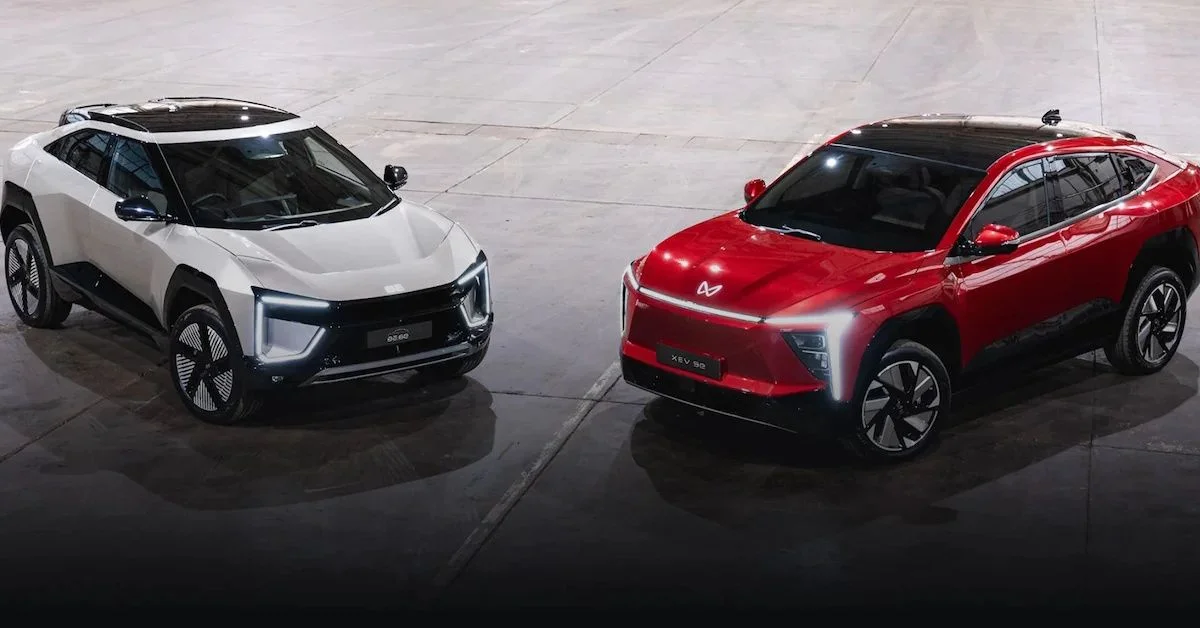
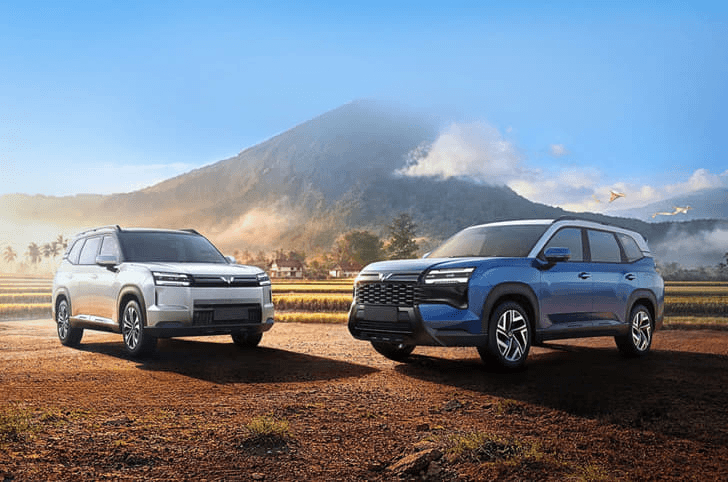
Mahindra’s latest contender in this space is a heavily revised version of the older XUV300. It addresses almost every flaw of its predecessor while retaining its core strength: high-speed highway stability.
If you want performance under ₹15 lakh, look at the 1.2-litre mStallion TGDi (Direct Injection) turbo-petrol engine. It produces a massive wave of mid-range torque that makes highway overtaking effortless. You press the throttle, the turbo spools, and you are past the slow-moving truck before you know it.
Cruising at triple-digit speeds feels rock-solid. The suspension is tuned beautifully for high speeds, absorbing expansion joints on flyovers without unsettling the cabin. The interior cabin width is another major plus; it is the only vehicle in this segment that can genuinely accommodate three adults in the rear seat without them rubbing shoulders.
It is not perfect. The boot space is still relatively small for an SUV of this size, even though Mahindra managed to carve out more room than before. The white upholstery looks premium in the showroom but will turn a dusty brown within three months of Indian monsoon use.
Real-world fuel economy is highly sensitive to your driving style. Drive the TGDi with a heavy foot, and the efficiency will drop to single digits in the city. Expect around 10–11 kmpl in urban areas and 14–15 kmpl on the highway under normal driving conditions.
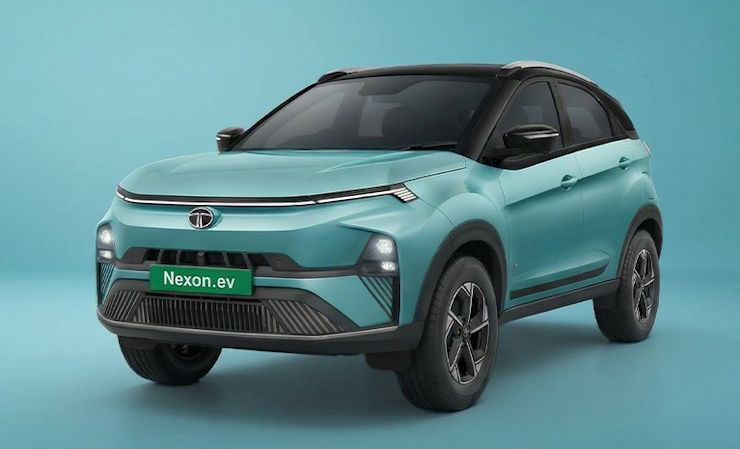
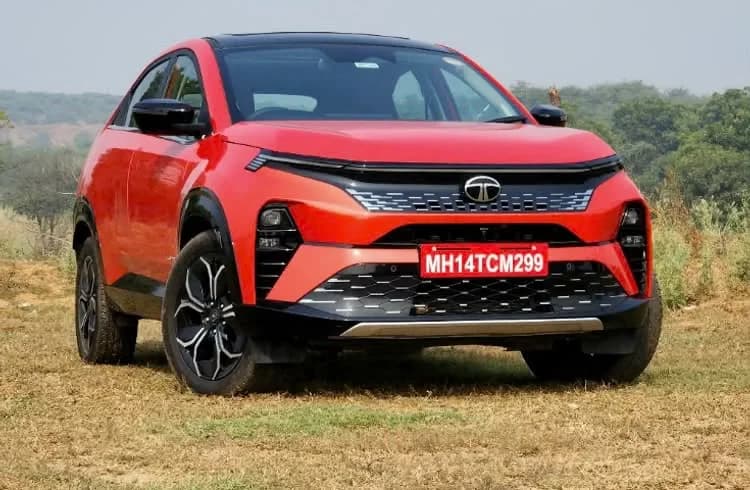
There is a reason the Tata Nexon is a consistent bestseller. It feels robust. The solid thud of the doors gives you a sense of security that few others in this price bracket can match. The 5-star safety rating is not just a badge; it is a design philosophy.
On broken roads, the Nexon’s ride quality is class-leading. It glides over potholes that would make a Brezza shudder and a Kushaq feel stiff. The high ground clearance means you can face flooded waterlogged roads during the monsoon with reasonable confidence.
However, the Nexon’s powertrain options require careful consideration. The 1.2-litre three-cylinder turbo-petrol engine can feel noisy and vibrates at idle. The manual gearbox has a slightly rubbery shift action, and the clutch pedal has a long travel. The AMT is slow and exhibits the classic "head-nod" jerk during gear shifts. If you want a smooth automatic petrol Nexon, you have to opt for the dual-clutch transmission (DCT), which pushes the price tag close to or slightly beyond your ₹15 lakh limit.
The biggest caveat with the Nexon remains the service experience. Tata’s after-sales service quality varies wildly from dealer to dealer. Some owners report stellar service, while others face unresolved electronic glitches for months. If you buy a Nexon, choose your dealership based on local owner reviews, not just the nearest location.
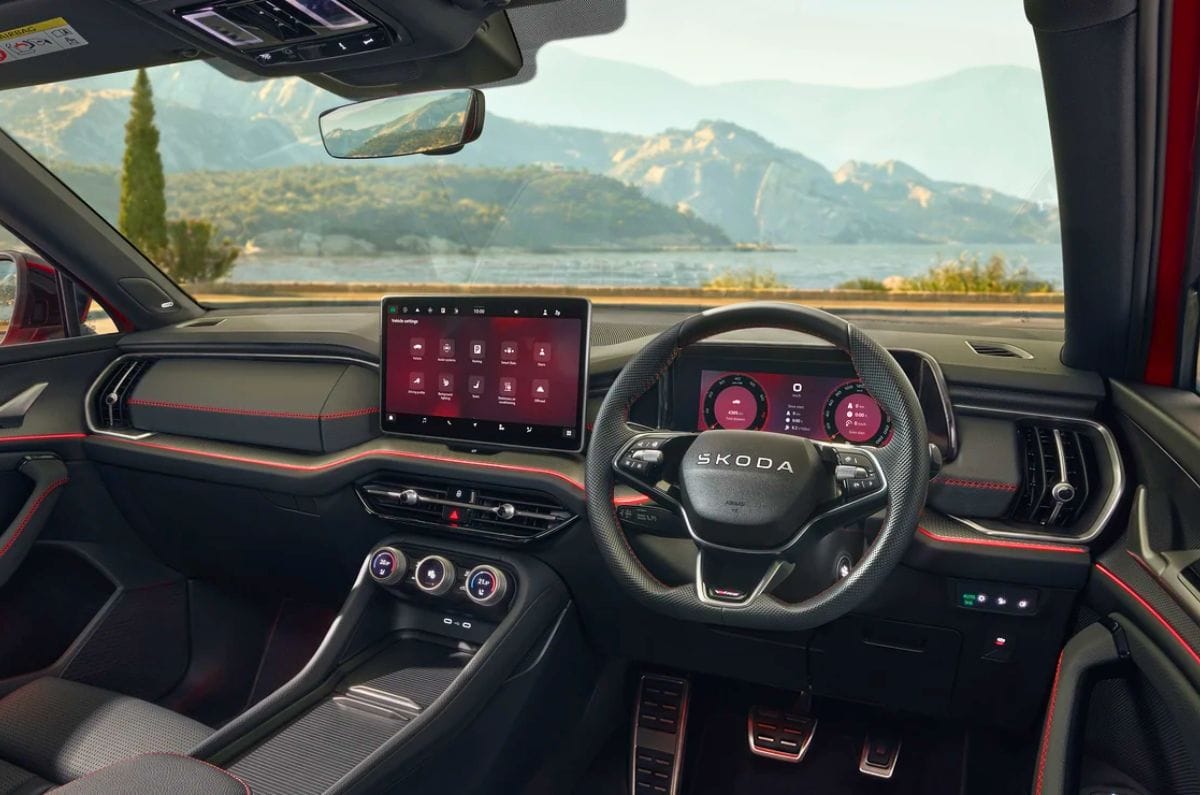
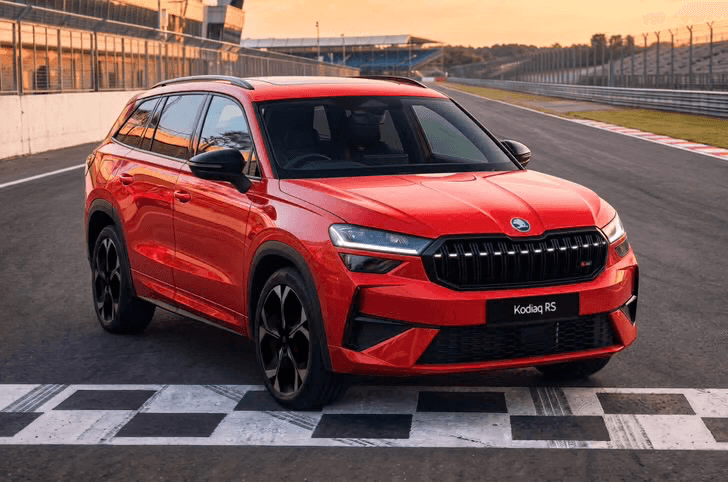
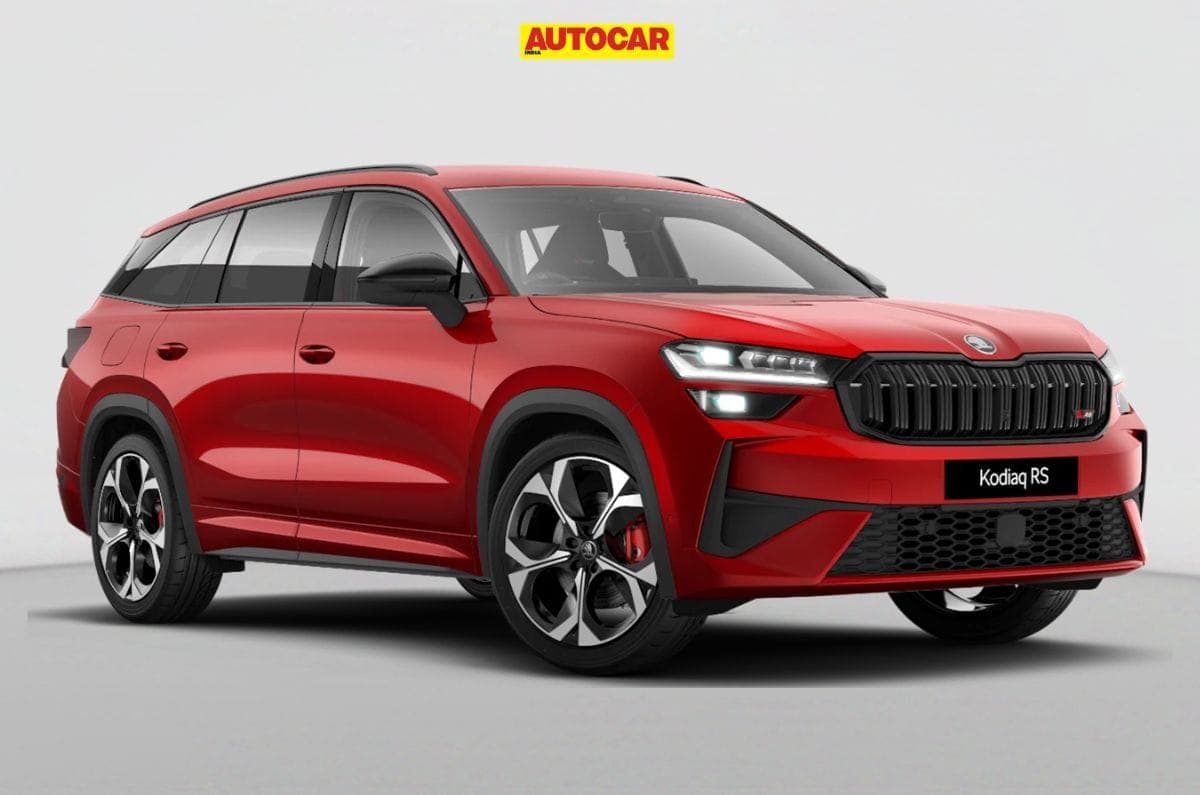
If you love the act of driving, sub-four-meter SUVs will eventually disappoint you. Their high center of gravity and soft suspension setups do not invite enthusiastic driving. That is where the Skoda Kushaq comes in.
For under ₹15 lakh on-road, you can get the entry-level or mid-spec variants of the Kushaq powered by the 1.0-litre three-cylinder TSI engine. Do not let the small displacement fool you. This engine is a masterpiece of European engineering. Once the turbo kicks in around 1,800 rpm, the acceleration is addictive.
The Kushaq corners flat. The steering is precise, weighting up beautifully as your speed increases. It feels like a European hatchback on stilts rather than a bulky SUV.
This driving pleasure comes at a cost. The suspension is firm, meaning you will feel sharp bumps at low speeds in the city. The maintenance costs, while lower than Skodas of the past, are still higher than Japanese or Korean rivals. The resale value will also depreciate faster than a Maruti or Hyundai. It is a choice made with the heart, not the head.
Before making a final choice, it helps to see how these vehicles compare on parameters that affect your wallet every month. The table below represents realistic expectations based on our long-term testing and ownership feedback.
| SUV Model | Real-World City Mileage | Real-World Highway Mileage | Average Annual Service Cost (approx.) | Resale Value Potential | Key Compromise |
|---|---|---|---|---|---|
| Maruti Suzuki Brezza (Petrol) | 11–13 kmpl | 16–18 kmpl | ₹5,000–6,500 | Excellent | Lacks high-speed punch |
| Mahindra XUV3XO (TGDi Petrol) | 9–11 kmpl | 14–15 kmpl | ₹6,500–8,000 | Good | Small boot space |
| Tata Nexon (Petrol MT) | 10–12 kmpl | 14–16 kmpl | ₹6,000–7,500 | Good | Inconsistent dealer service |
| Skoda Kushaq (1.0 TSI) | 9–11 kmpl | 15–17 kmpl | ₹8,000–10,500 | Average | Firm low-speed ride |
Note: These figures are indicative and vary based on driving style, traffic conditions, and maintenance history. On-road prices fluctuate significantly across different states due to varying road tax structures. Always check with your local dealership for current price sheets and waiting periods in your region.
When calculating your ₹15 lakh budget, do not make the mistake of looking only at the ex-showroom price. The on-road price includes road tax, registration charges, insurance, and the municipal tax if applicable. In states like Karnataka or Maharashtra, the road tax can add up to twenty percent to the cost of the car.
Dealerships will often try to sell you expensive accessory packages, extended warranties, and handling charges. Frankly, skip the basic accessory kits from the showroom; you can get identical floor mats and mud flaps for a third of the price at any reputed aftermarket shop.
Do not skimp on the extended warranty. With modern SUVs packed to the gills with complex electronic sensors, touchscreens, and turbochargers, a single component failure out of warranty can set you back by tens of thousands of rupees. It is an investment that pays for itself in peace of mind.
We promised you a decisive recommendation for each buyer type. Here is our final word based on thousands of kilometers of real-world testing:
If your daily life involves school runs, grocery shopping, and battling office traffic, buy the Brezza Automatic. It is smooth, reliable, incredibly easy to park, and will hold its value better than anything else in the market. It is the sensible, drama-free choice.
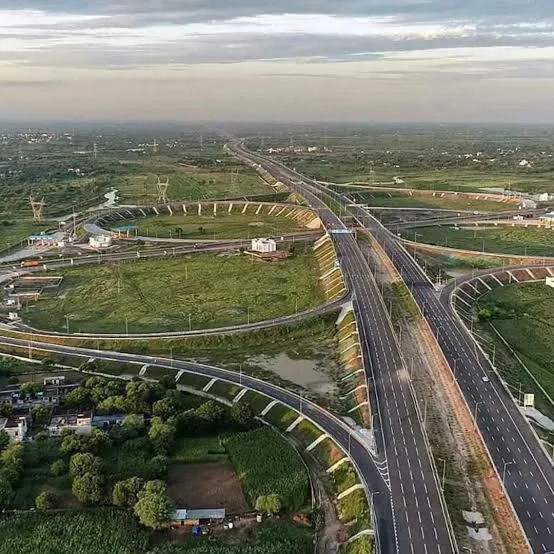
If you love road trips and spend considerable time on the highway, pick the XUV3XO. The highway stability is phenomenal, the engine has endless reserves of power, and the cabin is wide enough to keep your family comfortable over long distances. Just pack light.
If you want a rugged vehicle that can handle waterlogged monsoon streets, deep potholes, and keep your family safe in the event of an accident, the Nexon is your best bet. Buy it in a mid-level manual variant, find a reputable local dealer with good service reviews, and enjoy the robust ride quality.
The Maruti Suzuki Brezza easily delivers the best real-world mileage in this segment, returning around 11 to 13 kmpl in heavy city traffic and comfortably hitting 16 to 18 kmpl on highway cruises.
 Buying Guides
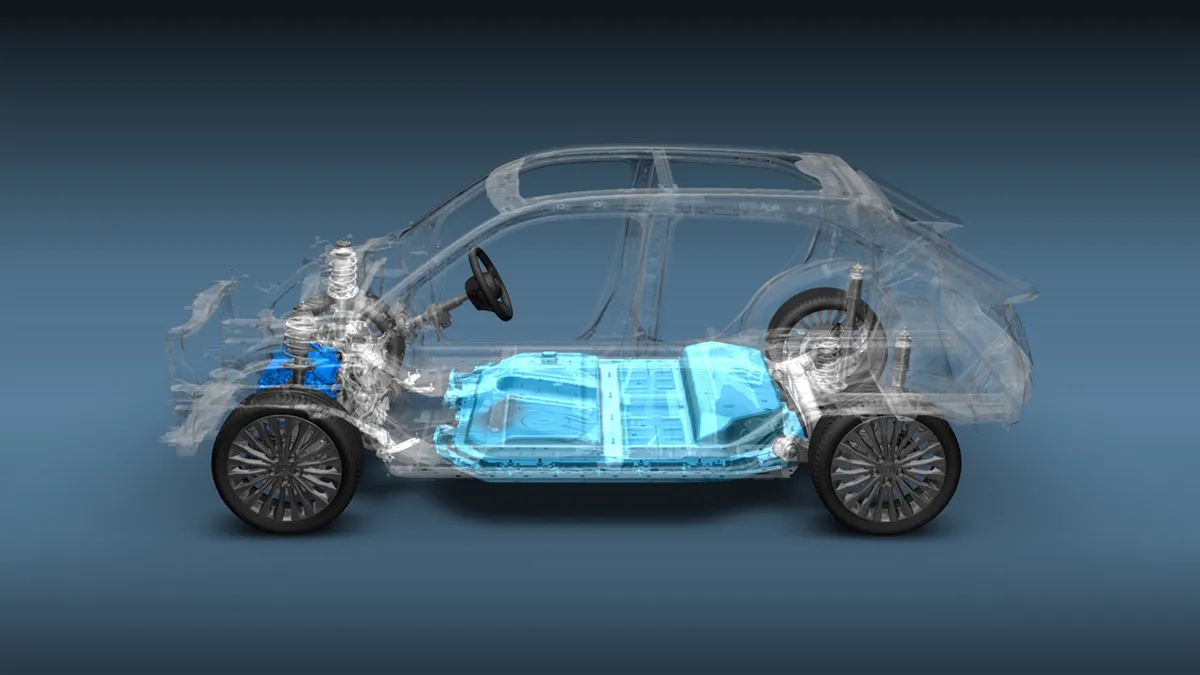
Used electric cars are depreciating fast in India. Here is how to find a high-quality pre-owned EV, run diagnostics on the battery, and avoid massive replacement bills.
 News
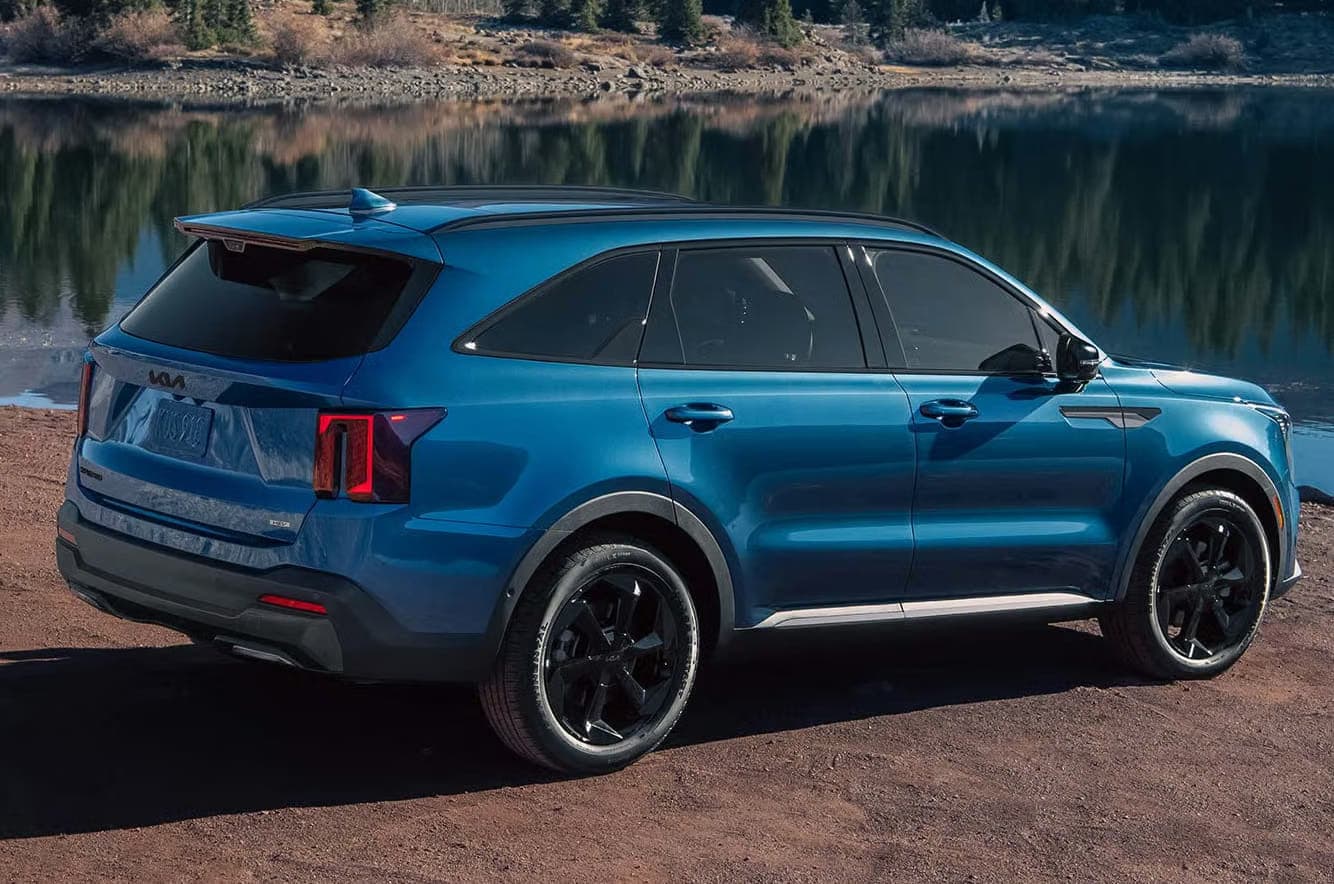
NewsKia has confirmed all-wheel drive for the heavily localized Sorento launching in September 2026. At an expected Rs 30-35 lakh, it poses a direct threat to premium European monocoques.
 Buying Guides
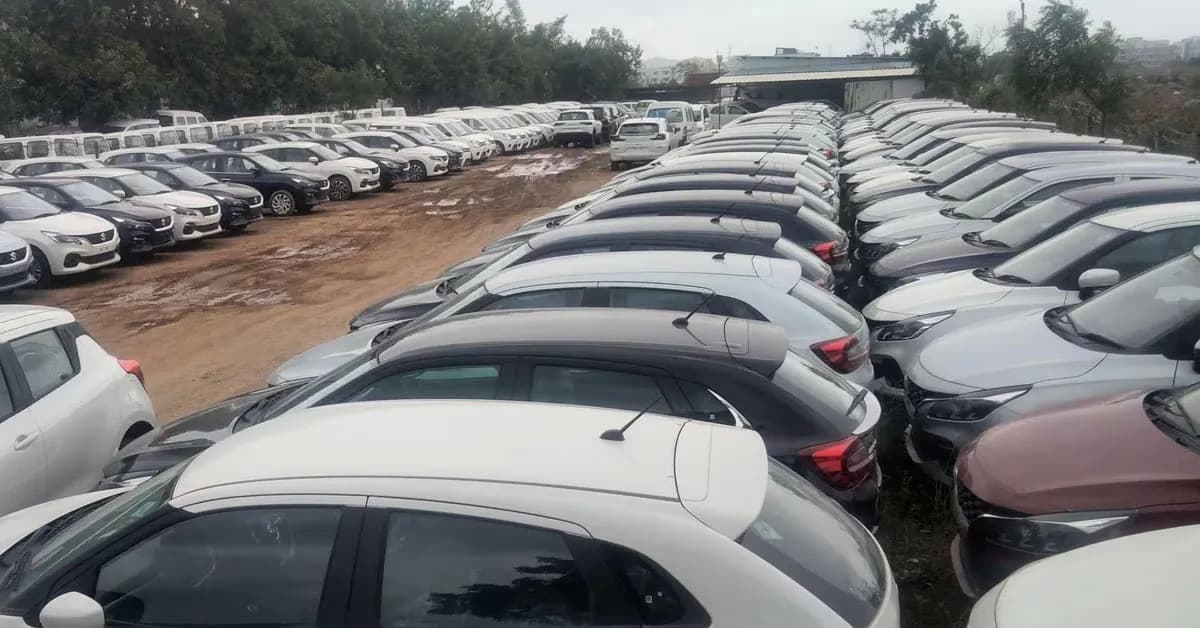
A veteran journalist's guide to choosing family cars in India. Skip the brochure gimmicks and learn the truth about real boot space, ISOFIX child safety, and ride comfort.
For pure city driving, no. Turbo-petrol engines suffer from low-end lag and exhibit poor fuel economy in heavy traffic. A naturally aspirated engine like Maruti's 1.5-litre is much smoother and more efficient in stop-and-go conditions.
On-road prices include state registration road tax, high-security registration plates, motor insurance, and TCS. High road tax structures in states like Karnataka can add up to 20 percent on top of the ex-showroom price.
Avoid AMT gearboxes if your budget permits. AMTs are prone to slow, jerky shifts. Paying extra for a Torque Converter (TC) or Dual-Clutch Transmission (DCT) offers a vastly superior, smoother driving experience.