Did you know?
The fuel in your tank is technically prehistoric — fossil fuel, after all.
AutoThrust India
The latest car launches, in-depth reviews, variant price updates, and expert insights from India's roads.
Did you know?
A car's tyres can heat up to over 100°C during hard track driving.
Did you know?
The fuel in your tank is technically prehistoric — fossil fuel, after all.
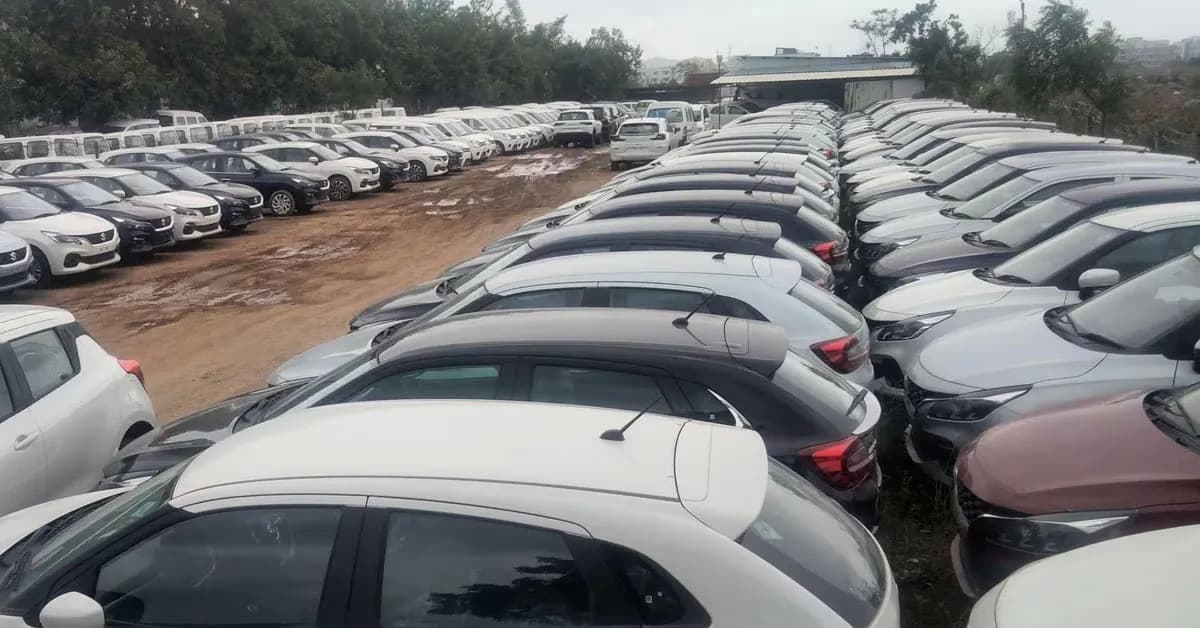
You are standing in a glittering showroom, nodding along as a sales executive points to a massive 10.25-inch touchscreen. Your partner is admiring the panoramic sunroof. Your kids are arguing over who gets to sit in the third row of a shiny new SUV. It is a classic Indian car-buying scene, and it is precisely where most families make their first major mistake. They buy a car designed for brochures, not for real-world Indian roads.
Five months later, reality hits. That panoramic sunroof remains closed because the afternoon heat in Delhi or Chennai is relentless. The third row lies empty because sitting there causes your teenager's knees to chin-lock over every speed breaker on the bypass. The massive boot space promised in the brochure turns out to be oddly shaped, blocked by suspension towers, and unable to swallow a folded baby stroller without folding down the entire rear seat.
We have tested, abused, and lived with every major family car in the Indian market for over a decade. We have driven them through waterlogged Mumbai lanes, crawled in bumper-to-bumper Bengaluru peak hours, and pounded them over the concrete joints of the NH48. By the end of this guide, you will bypass the marketing fluff. You will know how to measure real-world cabin usability, decode safety beyond simple crash-test stars, and pick the exact vehicle that keeps your family comfortable, safe, and sane.
Let us address the Indian obsession with three-row vehicles. The market has been flooded with "affordable 7-seaters" over the last few years. But let's be absolutely honest: most of them are actually 5+2 seaters, and those last two seats are cruel punishment for anyone past puberty.
If you are looking at vehicles in the ₹11 lakh to ₹18 lakh bracket—like the Kia Carens, Maruti Suzuki Ertiga, or the Mahindra Scorpio-N—you need to understand the structural trade-offs. When you occupy the third row in these vehicles, your luggage space drops to almost nothing. If you have a family of six going on a weekend trip to Mahabaleshwar or Ooty, where does the luggage go? You end up installing a roof carrier, which ruins your fuel efficiency and adds annoying aerodynamic noise at highway speeds. The alternative is worse: passenger comfort is compromised by stacking bags around people's feet.
Then there is the debate of captain seats versus a bench seat in the middle row. Buyers often opt for captain seats because they look premium, reminiscent of luxury MPVs. But think about your daily usage. A 6-seater with captain seats completely eliminates the option of having a middle passenger in the second row. If you are a family of five, you are forced to deploy the third row just to carry everyone. This leaves you with zero boot space. For most Indian families, a 5-seater with a wide, flat rear bench is infinitely more practical than a compromised 6-seater. Choose the bench. Your luggage, and your sanity, will thank you.
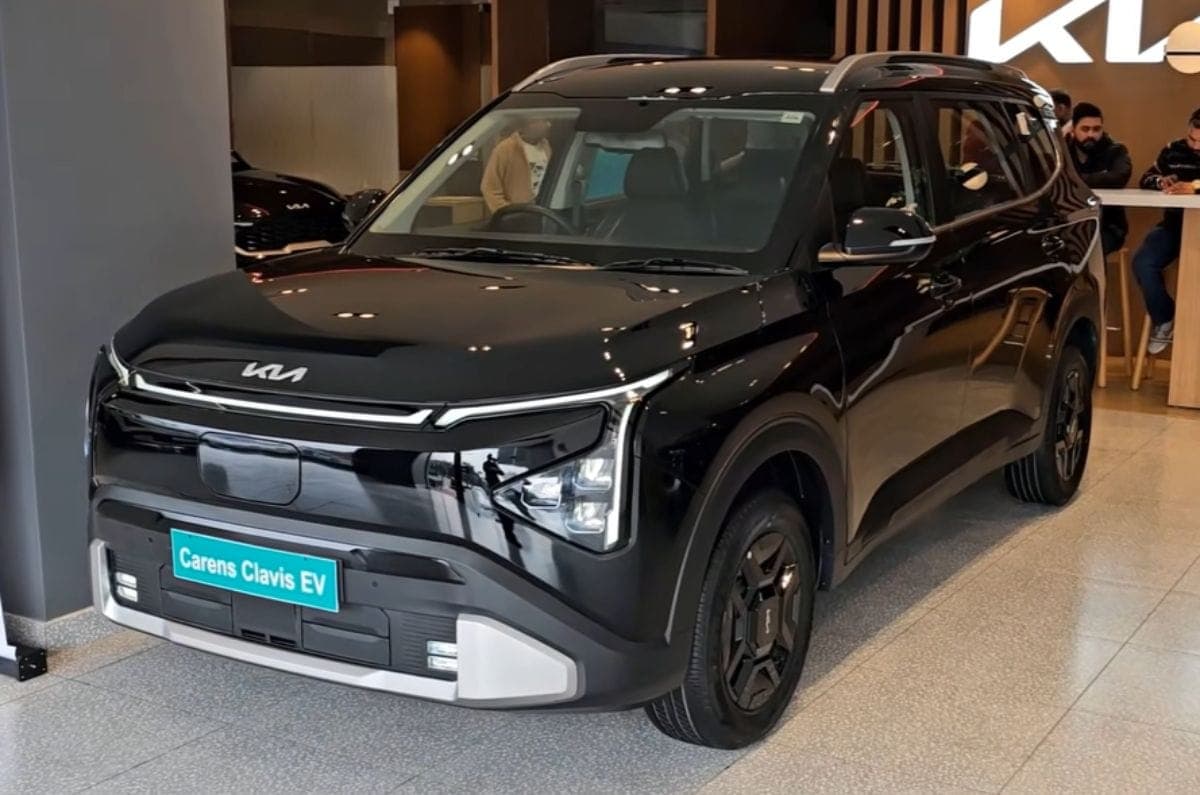
Consider the platform structure. A monocoque MPV like the Kia Carens has a low floor, making ingress and egress remarkably easy for elderly parents. Contrast this with body-on-frame SUVs like the Mahindra Scorpio-N. They look imposing and dominate the road, but climbing into them requires serious physical effort. If your parents are arthritic, that high step-up is an everyday dealbreaker. Skip the macho styling if family comfort is your actual priority.
Brochure spec sheets list boot capacity in litres, usually calculated using the VDA method. This involves filling the boot with small, standardized blocks to measure total volume. This number is highly misleading. A 450-litre boot is not always better than a 400-litre boot.
What actually matters is the shape of the boot cavity and the height of the loading lip. Many modern mid-size SUVs have deep boots on paper, but the suspension wheel arches intrude heavily into the sides, turning a wide rectangular space into an awkward T-shape. If you cannot place a standard hard-shell suitcase flat on the floor, the boot is poorly packaged.
For young families, the ultimate benchmark is the stroller test. A folded baby stroller is long and rigid. In many sub-4-meter SUVs, you have to place the stroller diagonally, which immediately consumes the entire floor area and prevents you from stacking other bags. When test-driving a car, do not just sit in the driver's seat. Take your largest suitcase and your child's stroller to the showroom. Try loading them yourself. Observe how high you have to lift them—a high loading lip, common in rugged SUVs like the Tata Nexon or Mahindra XUV700, will strain your back every single weekend.
Another detail to check is the split-folding rear seat. A 60:40 split is a lifesaver. It allows you to fold down one section of the rear seat to accommodate long items—like a folding cot, a cricket kit, or extra airport luggage—while still leaving room for one or two passengers in the back.
India has made massive strides in crash safety, with manufacturers proudly flashing 5-star GNCAP ratings. But a safe bodyshell is only half the battle. If you have infants or toddlers, your primary focus must be child restraint systems. This is where marketing material glosses over painful daily realities.
Most family cars now come with ISOFIX mounting points as standard. However, the design of these mounts varies wildly. In some cars, like the Hyundai Creta or Maruti Suzuki Grand Vitara, the anchorages are buried deep within the seat fabric, hidden behind tight leatherette flaps. Installing a heavy child seat becomes an exercise in frustration, often resulting in torn upholstery and scraped knuckles. Look for cars that offer exposed, plastic-guided ISOFIX mounts—like those in Volkswagen and Skoda models—which allow you to click the seat in within seconds.
Another overlooked aspect is the width of the rear seat. Once you secure an infant car seat or a booster seat using ISOFIX, it occupies roughly 40% of the rear bench. In narrow SUVs like the Kia Seltos, the remaining 60% of the seat is barely enough for one adult, let alone two. If you expect your spouse and a grandparent to sit alongside your child in the back, you need a vehicle with a wide rear bench and a flat floor. Without a flat floor, the middle passenger is forced to sit in an awkward, knees-up posture, straddling the transmission tunnel. On a drive from Mumbai to Pune, this is nothing short of torture.
Finally, check for the presence of a three-point seatbelt for the middle passenger. Most budget and mid-size cars still offer a basic lap belt in the middle. In a sudden frontal impact, a lap belt can cause severe spinal and abdominal injuries. Demand a proper three-point seatbelt for every passenger. It is a non-negotiable safety requirement that many buyers ignore in favour of ventilated seats or ambient lighting.
We often hear car buyers praise "sporty handling" and "stiff, European-style suspension." That might sound appealing during a brief showroom test drive on a smooth bypass road, but it is a recipe for family misery in the real world.
Stiff suspensions are designed to prevent body roll at high speeds. But at low speeds on broken city roads, they transmit every single pebble, pothole, and expansion joint directly into the cabin. This leads to a phenomenon known as lateral head toss. As your car climbs over uneven road patches or poorly designed speed breakers, the cabin rocks violently from side to side.
For children in the back or elderly parents with sensitive backs, this constant side-to-side movement triggers immediate motion sickness. What you actually need for Indian roads is a suspension setup with supple, progressive damping. A car like the Honda Elevate or the Citroen C3 Aircross excels here. They glide over sharp-edged potholes, absorbing the impact rather than transmitting it to your spine.
Do not mistake a soft suspension for a floaty one, though. A poorly damped, overly soft suspension will bounce repeatedly after hitting a bump, causing high-speed wallow and making highway trips uncomfortable. Seek a balanced setup that remains planted at 100 km/h on the highway but cushions you gently at 20 km/h over broken city streets.
Pay attention to wheel sizes as well. Showroom top-end variants often come with stylish 17-inch or 18-inch alloy wheels wrapped in low-profile tyres. These look fantastic, but they offer very little rubber sidewall to cushion impacts. Often, the mid-spec variant of the exact same car—riding on 16-inch wheels with taller tyre sidewalls—offers a noticeably superior ride quality. It is also cheaper to replace when you inevitably hit a sharp pothole during the monsoon.
To make your decision easier, we have compiled a shortlist of family-friendly vehicles across different price segments. These evaluations are based on real-world testing, not brochure claims. Prices listed are approximate ex-showroom ranges and should be verified with local dealers.
| Car | Approximate Ex-Showroom Price Range | Real-world Seating Comfort | Boot Usability | Suspension Character |
|---|---|---|---|---|
| Maruti Suzuki Brezza | ₹8.30L – ₹14.10L | Excellent for 4 adults; wide cabin | Decent; flat floor but high loading lip | Balanced; slightly firm but comfortable |
| Honda Elevate | ₹11.60L – ₹16.40L | Superb rear seat legroom; great under-thigh support | Massive and deep; easy to load | Phenomenal; glides over potholes |
| Kia Carens | ₹10.50L – ₹19.60L | Genuine 6/7-seater; low floor for easy entry | Poor with all rows up; massive with 3rd row folded | Soft and plush; great for city and highway |
| Tata Safari | ₹16.20L – ₹27.30L | Spacious; heavy road presence; tough cabin | Limited with 3rd row up; massive when folded | Heavy and planted; excellent highway cruiser |
After testing hundreds of cars across thousands of kilometres of Indian tarmac, we have distilled our recommendations down to three distinct family profiles. These are our absolute picks.
If you primarily drive in the city, deal with daily traffic, and have one young child, buy the Honda Elevate. It bypasses unnecessary engine complexity by offering a bulletproof 1.5-litre naturally aspirated engine paired with a smooth CVT. The ride quality is the best in its segment, comfortably absorbing the worst of our city streets. More importantly, its ISOFIX mounts are easy to access, and the boot easily swallows a full-sized baby stroller alongside your weekend bags.
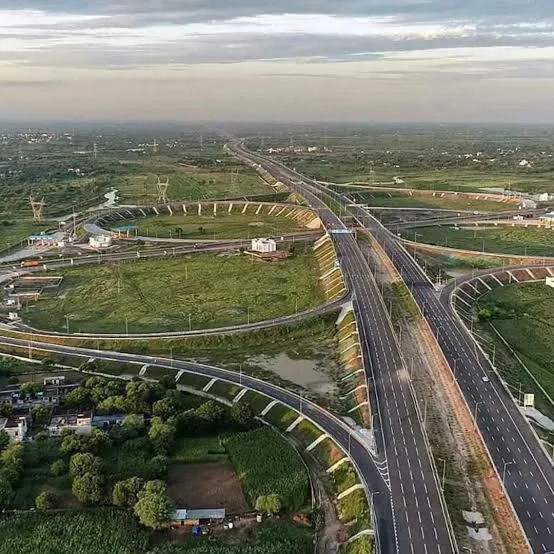
If your weekends involve long road trips on major national highways like the NH48, and safety is your absolute top priority, buy the Tata Safari or its five-seater sibling, the Harrier. Its robust build quality, 5-star safety rating, and heavy, planted high-speed stability make it an incredible mile-muncher. The diesel engine offers the torque required for effortless overtaking, and the cabin feels solid enough to withstand years of hard use.
If you regularly travel with five or more adults plus children, skip the mid-size SUVs entirely and buy the Kia Carens. It is the most intelligently packaged vehicle under ₹20 lakh. The third row is actually usable for adults on medium-length journeys, and the one-touch electric tumble seat makes getting in and out incredibly easy. The suspension is tuned for comfort, meaning your parents will not complain of backaches, and the low ingress height is perfect for elderly passengers. Choose the 7-seater bench version for maximum real-world flexibility.
Make sure to take your entire family along for the final test drive. Let them sit in the back, test the ride over a broken patch of road, and try loading your actual luggage. That is the only spec sheet that truly matters.
Brochure capacity is calculated using standard liquid or block volume. It does not account for wheel arch intrusions, sloping roofs, or high loading lips which restrict large suitcases and strollers.
 Buying Guides
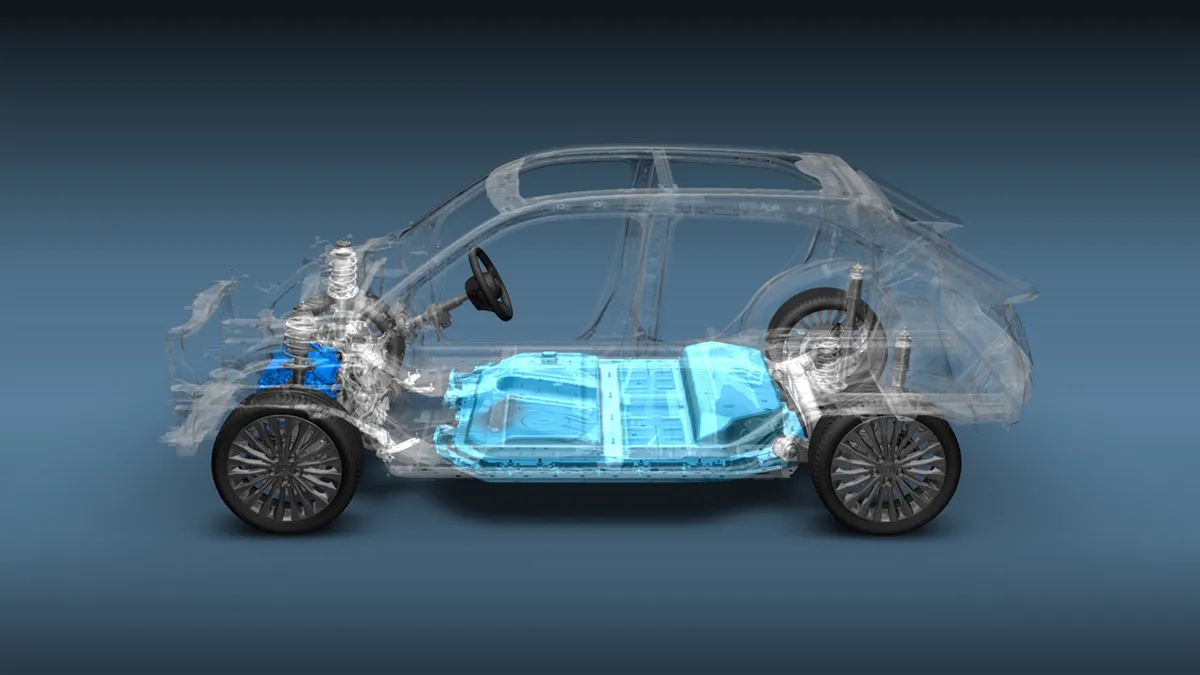
Used electric cars are depreciating fast in India. Here is how to find a high-quality pre-owned EV, run diagnostics on the battery, and avoid massive replacement bills.
 News
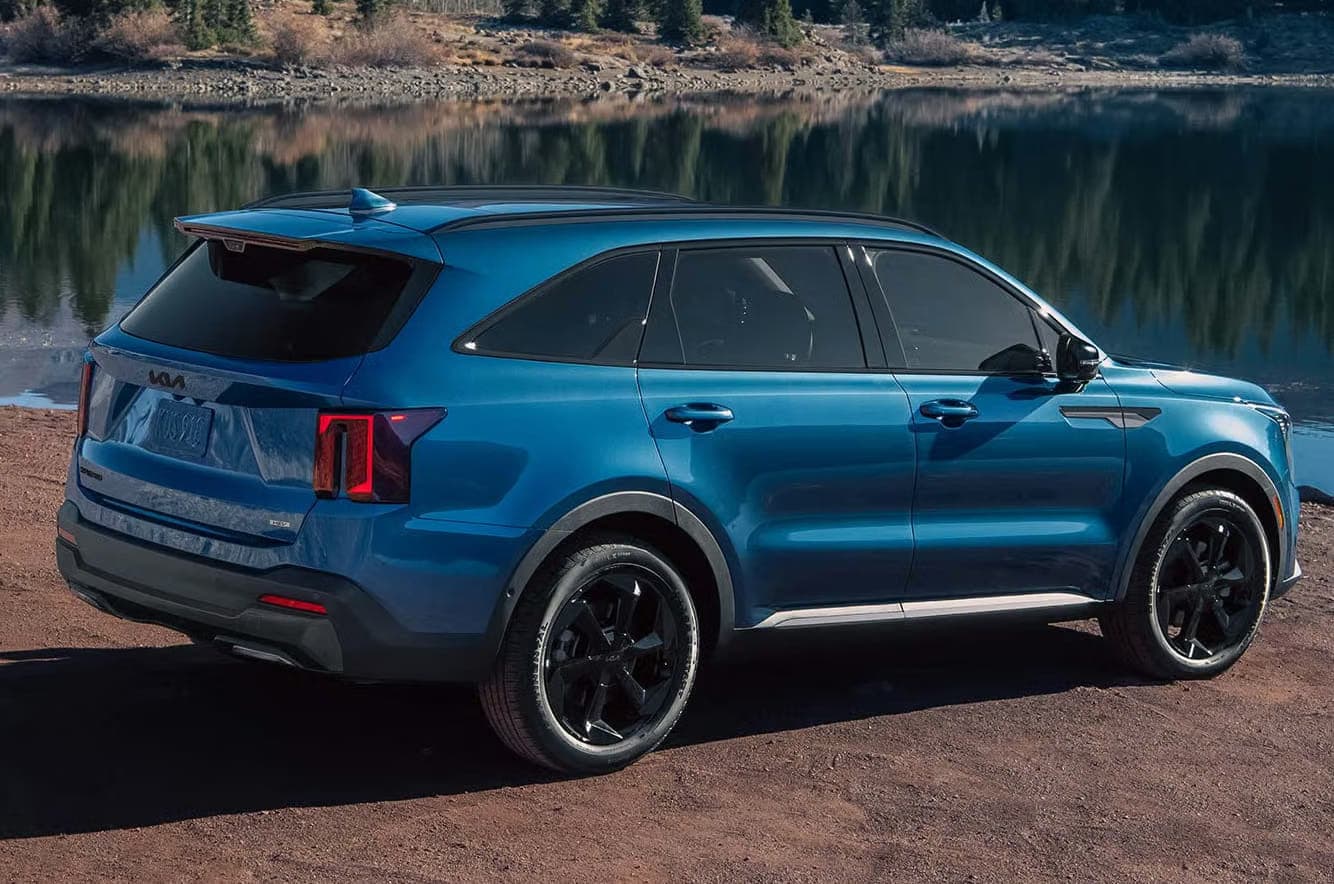
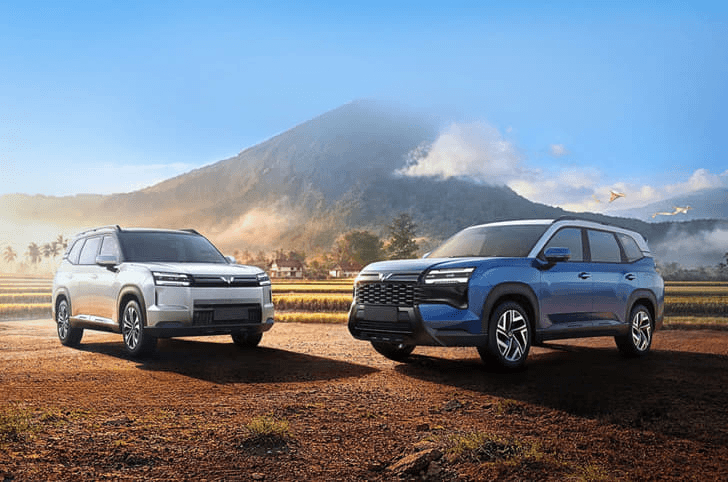
NewsKia has confirmed all-wheel drive for the heavily localized Sorento launching in September 2026. At an expected Rs 30-35 lakh, it poses a direct threat to premium European monocoques.
 Buying Guides
Demystifying the real cost of buying a car in India. Learn the truth about ex-showroom markups, automatic gearboxes, NCAP safety, and how to negotiate with dealers.
For most families, the 7-seater bench is far more practical. Captain seats remove the middle-row center passenger, forcing you to deploy the third row and sacrifice all your luggage space.
It is the rapid side-to-side rocking of a car cabin over broken roads. It is common in tall SUVs with stiffly tuned suspensions and frequently causes motion sickness in children and the elderly.
Look for exposed, plastic-guided ISOFIX sockets on the rear seats. Avoid cars where mounting brackets are buried deep under heavy leatherette flaps, as installation will be frustrating.