Did you know?
Volkswagen means 'people's car' in German.
AutoThrust India
The latest car launches, in-depth reviews, variant price updates, and expert insights from India's roads.
Did you know?
Lamborghini originally built tractors before making supercars.
Did you know?
Volkswagen means 'people's car' in German.

Kerala has announced revised road tax rates for electric vehicles as part of its updated state budget presented on June 18, 2026. The biggest relief comes for EV buyers in the ₹15 lakh to ₹20 lakh price bracket, where road tax has been reduced from 8 percent to 5 percent.
This 3-percentage-point reduction can translate into savings of up to ₹74,000 on eligible electric vehicles. For an EV priced at ₹20 lakh, buyers can expect a direct saving of ₹60,000 at the time of registration.
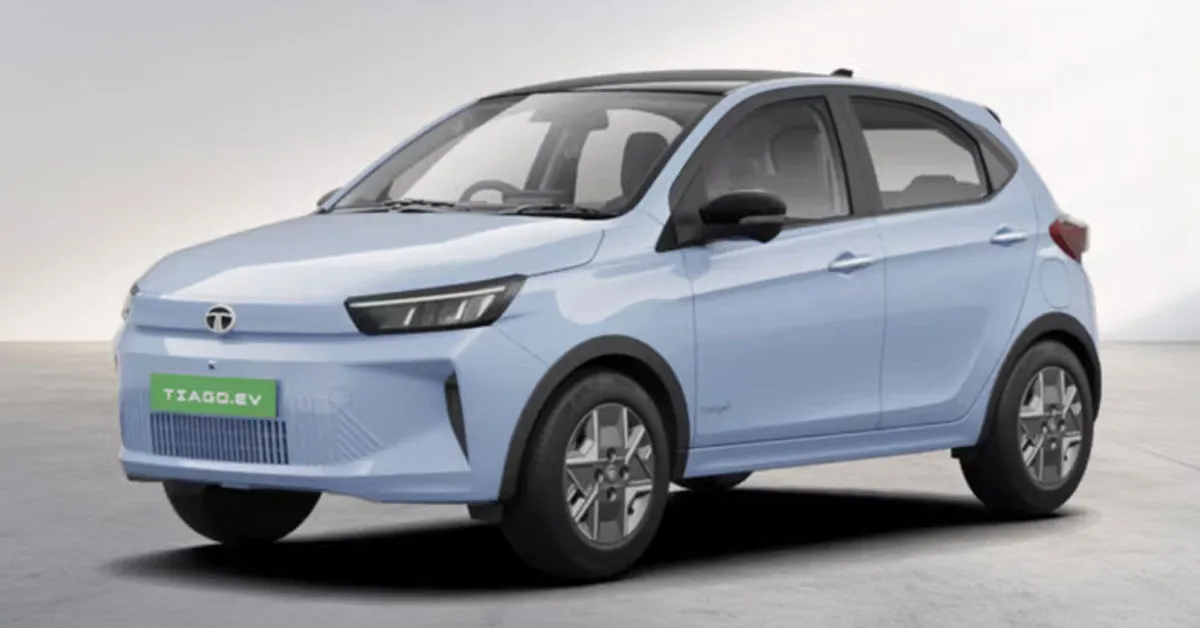
The state has also reduced road tax on electric vehicles priced below ₹10 lakh. The tax rate for this category has been cut from 5 percent to 3 percent, resulting in savings of up to ₹20,000 on a ₹10 lakh EV.
However, there is no change for EVs priced between ₹10 lakh and ₹15 lakh, with the existing 5 percent road tax rate continuing to apply.
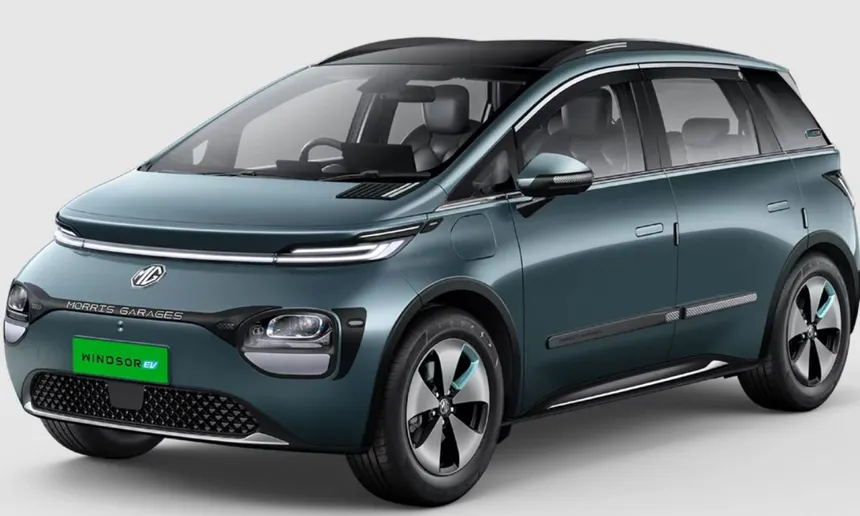
The revised tax structure is expected to benefit mainstream electric vehicle buyers the most. The ₹15 lakh to ₹20 lakh segment includes several popular electric SUVs and hatchbacks currently available in the market from manufacturers such as Tata Motors, MG Motor, and Hyundai.
For buyers considering an EV in this price range, the reduction directly lowers the vehicle's on-road price without affecting ex-showroom pricing, insurance costs, or GST.
While affordable and mid-range EVs receive tax relief, Kerala has increased road tax for electric vehicles priced above ₹40 lakh. The rate has been raised from 10 percent to 15 percent.
As a result, buyers of premium electric vehicles will face significantly higher registration costs. For example:
A ₹50 lakh EV will attract approximately ₹2.5 lakh in additional road tax.
A ₹70 lakh EV could cost buyers an extra ₹3.5 lakh during registration.
The revised tax structure impacts luxury electric models such as the BMW iX1, Mercedes-Benz EQS, and Kia EV9, making them more expensive to own in the state.
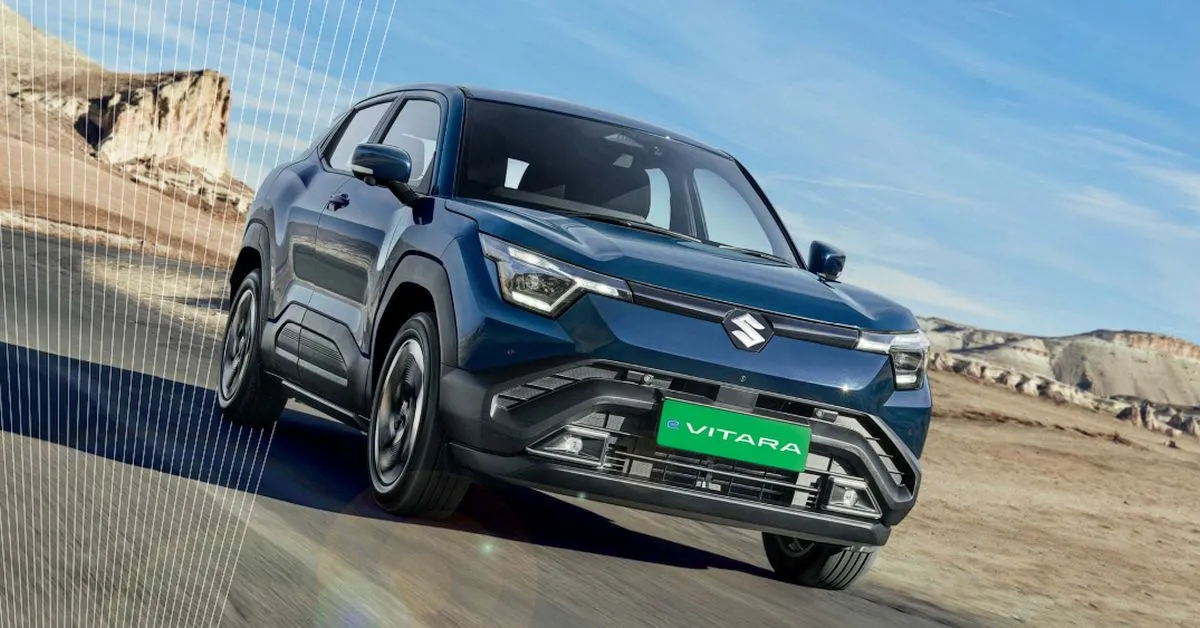
Kerala was among the early states to offer incentives and tax benefits for electric vehicles to encourage adoption. However, several concessions were scaled back in 2024 due to financial constraints, leading to a noticeable slowdown in EV registrations.
Although the latest revision does not restore earlier exemptions, it provides meaningful relief for buyers in the most active segment of the EV market, where purchasing decisions are highly price-sensitive.
In addition to EV tax revisions, the state government has also reduced quarterly taxes for All India Tourist Permit (AITP) buses.
The quarterly tax has been reduced:
From ₹2,000 to ₹900 per seat for standard buses.
From ₹3,000 to ₹1,500 per sleeper seat for sleeper coaches.
The move effectively lowers the tax burden by around 55 percent for operators in Kerala's tourism and long-distance transport sectors.
For prospective EV buyers in Kerala, the revised road tax rates offer immediate savings at the time of registration. Buyers in the ₹15 lakh to ₹20 lakh category stand to gain the most, with savings ranging from ₹20,000 to ₹74,000 depending on vehicle price.
However, those considering luxury EVs priced above ₹40 lakh should account for the higher road tax burden before finalizing their purchase, as the increased rate will significantly raise the vehicle's final on-road cost.
 News
NewsOfficial data reveals Indian motorists were unknowingly using petrol with steadily increasing ethanol blends, long before E20 was formally announced. This quiet transition raises critical questions about transparency and its impact on your vehicle's performance and longevity.
 Launches
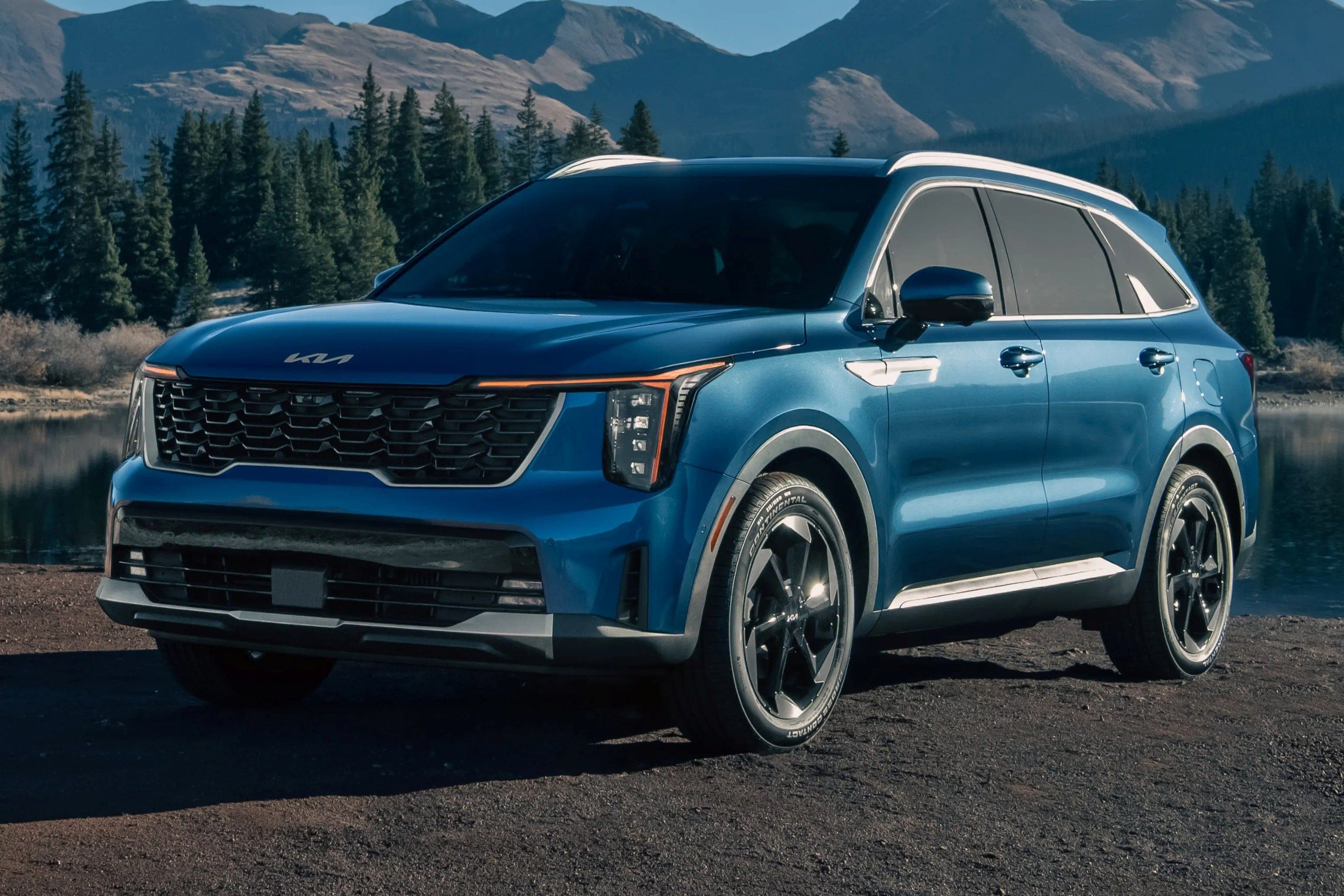
Kia India dealers have unofficially commenced bookings for the premium Sorento SUV at Rs 25,000. Read on for the expected launch date, specs, and price.