Did you know?
Electric cars are not new — they outsold petrol cars in the early 1900s.
AutoThrust India
The latest car launches, in-depth reviews, variant price updates, and expert insights from India's roads.
Did you know?
Regenerative braking lets EVs recharge their batteries while slowing down.
Did you know?
Electric cars are not new — they outsold petrol cars in the early 1900s.
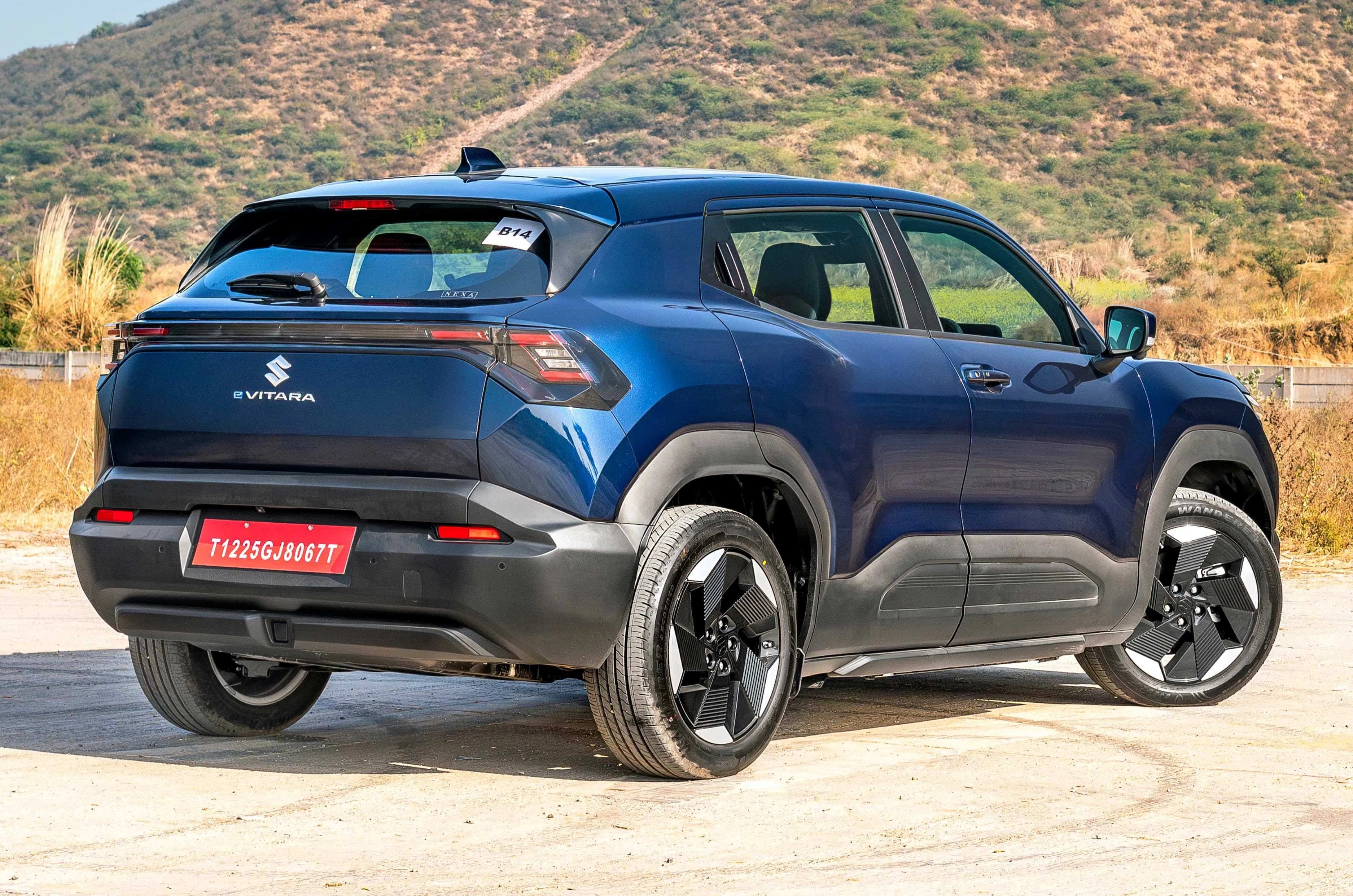
In May 2026, India's largest passenger vehicle manufacturer, Maruti Suzuki, sent ripples through the industry by announcing a price hike of up to Rs 30,000 across its entire vehicle lineup starting June. At the time of the announcement, the exact distribution of this hike among the portfolio remained speculative. However, we have now obtained exclusive details on the precise quantum of this price adjustment. Maruti Suzuki’s flagship zero-emission offering, the e Vitara, has officially become up to Rs 30,000 dearer depending on the chosen trim level.
This price revision arrives at a critical juncture. The Indian electric vehicle (EV) segment is heating up, with formidable rivals vying for dominance in the mid-size electric SUV space. Despite the price increment, Maruti Suzuki is confident that the e Vitara's robust engineering, dedicated electric skateboard architecture, and Suzuki's legendary reliability will continue to attract eco-conscious buyers. In this comprehensive breakdown, we examine the updated pricing structure, key specifications, and how this hike alters the e Vitara’s value proposition.
Automotive manufacturers routinely adjust prices at the turn of quarters, but this mid-year hike is driven by more complex macroeconomic variables. According to industry insiders, the primary catalyst behind the price upward revision is the fluctuating cost of key battery materials specifically lithium, cobalt, and nickel alongside rising global freight and logistics expenses.

Furthermore, Maruti Suzuki is progressively increasing the localization levels for the e Vitara at its Gujarat manufacturing facility. While localization long-term will drive costs down, the initial capital expenditure and setup phase for the specialized cell-to-pack assembly lines have added short-term pressure on the carmaker's margins. By spreading a moderate hike across its high-volume and premium offerings, Maruti is aiming to safeguard its operating margins without causing significant demand destruction.
The price hike has been structured progressively, meaning entry-level variants absorb a lower quantum of the hike, while the top-of-the-line AWD (All-Wheel Drive) trims bear the full Rs 30,000 premium. Below is an analytical look at how the estimated ex-showroom pricing stands after the June revision:
e Vitara Base (49 kWh FWD): Old Price: Rs 15.99 Lakh | New Price: Rs 16.19 Lakh | Hike: Rs 20,000
e Vitara Mid (61 kWh FWD): Old Price: Rs 18.49 Lakh | New Price: Rs 18.74 Lakh | Hike: Rs 25,000
e Vitara Alpha (61 kWh AWD): Old Price: Rs 20.99 Lakh | New Price: Rs 21.29 Lakh | Hike: Rs 30,000
While a Rs 30,000 jump on the top-tier AWD variant represents a minor percentage increase relative to its overall cost, it nudges the on-road price closer to the critical Rs 23 Lakh mark in several metropolitan cities. Prospective buyers will need to factor in this change alongside local state subsidy policies and road tax exemptions for electric vehicles.
The Maruti Suzuki e Vitara is a global product, co-developed with Toyota, built on the bespoke Heartect-e platform. Unlike converted internal combustion engine (ICE) platforms, this dedicated EV skateboard permits a long wheelbase, a completely flat floor, and optimized packaging for the battery packs. This structural design significantly improves interior roominess, driving dynamics, and crash safety.
Here is a detailed look at the core specifications of the e Vitara:
Battery Options: 49 kWh and 61 kWh Lithium Iron Phosphate (LFP) cells
Claimed Driving Range: Up to 500 km (61 kWh pack, MIDC cycle)
Electric Motor Output: 144 hp (49 kWh) / 174 hp (61 kWh)
Peak Torque: 189 Nm (FWD variants) / Up to 300 Nm (AWD variant)
Drivetrain Options: Front-Wheel Drive (FWD) & e-AllGrip All-Wheel Drive (AWD)
Fast Charging Capability: 10% to 80% in approximately 40 minutes via a 150 kW DC fast charger
Wheelbase: 2,700 mm (ensuring superior rear-seat legroom)
The standout highlight of the premium trim remains Suzuki’s proprietary e-AllGrip technology. By placing an independent electric motor on each axle, the e Vitara can intelligently distribute torque to the wheels with the most traction, enabling light off-road capability and unmatched stability on slippery, wet, or muddy roads.
Even with the price increase, the e Vitara remains a technological powerhouse, packed with premium appointments that reflect its flagship status in Maruti's Indian portfolio:
Dual-Screen Cockpit: A contiguous housing that holds a 10.25-inch touchscreen infotainment unit and a matching 10.25-inch fully digital instrument cluster with EV-specific graphics.
Premium Cabin Materials: Dark themed interior featuring soft-touch materials, metallic inserts, and premium upholstery options.
ADAS Suite: A Level 2 Advanced Driver Assistance System including Adaptive Cruise Control, Lane Keep Assist, Autonomous Emergency Braking, and Blind Spot Monitoring.
Connected Car Suite: Suzuki Connect with remote cabin pre-cooling, geo-fencing, and live battery health monitoring.
Safety Net: Six airbags as standard, Electronic Stability Control (ESC), hill-hold control, all-wheel disc brakes, and a 360-degree parking camera.
With this revised pricing, the e Vitara finds itself positioned directly in the crosshairs of the fast-growing premium mid-size electric SUV space in India. Its main rivals include:
Tata Curvv.ev: Offering a unique SUV-coupe silhouette and high-end features, the Curvv.ev is the primary competitor with its 55 kWh battery pack.
Hyundai Creta EV: Expected to make its market entrance soon, the Creta EV will leverage the highly popular Creta brand name and feature-loaded packaging.
Mahindra XUV400: While slightly older, the XUV400 remains a roomy, performance-oriented alternative with a focus on punchy acceleration.
A price hike is never welcome news for car buyers, but the Rs 20,000 to Rs 30,000 premium on the Maruti Suzuki e Vitara does not radically alter its market competitiveness. For a car that starts around the Rs 16 Lakh range, this increment translates to less than a 2% price increase on most variants.
Given the bespoke Heartect-e skateboard architecture, the choice of two robust battery sizes, and the availability of a sophisticated e-All Grip AWD system, the e Vitara remains an exceptionally strong value proposition. It represents Maruti's engineering prowess and offers a reassuring, reliable transition to electric mobility for Indian families. If you have been planning to buy the e Vitara, this minor hike should not deter your decision.
 News
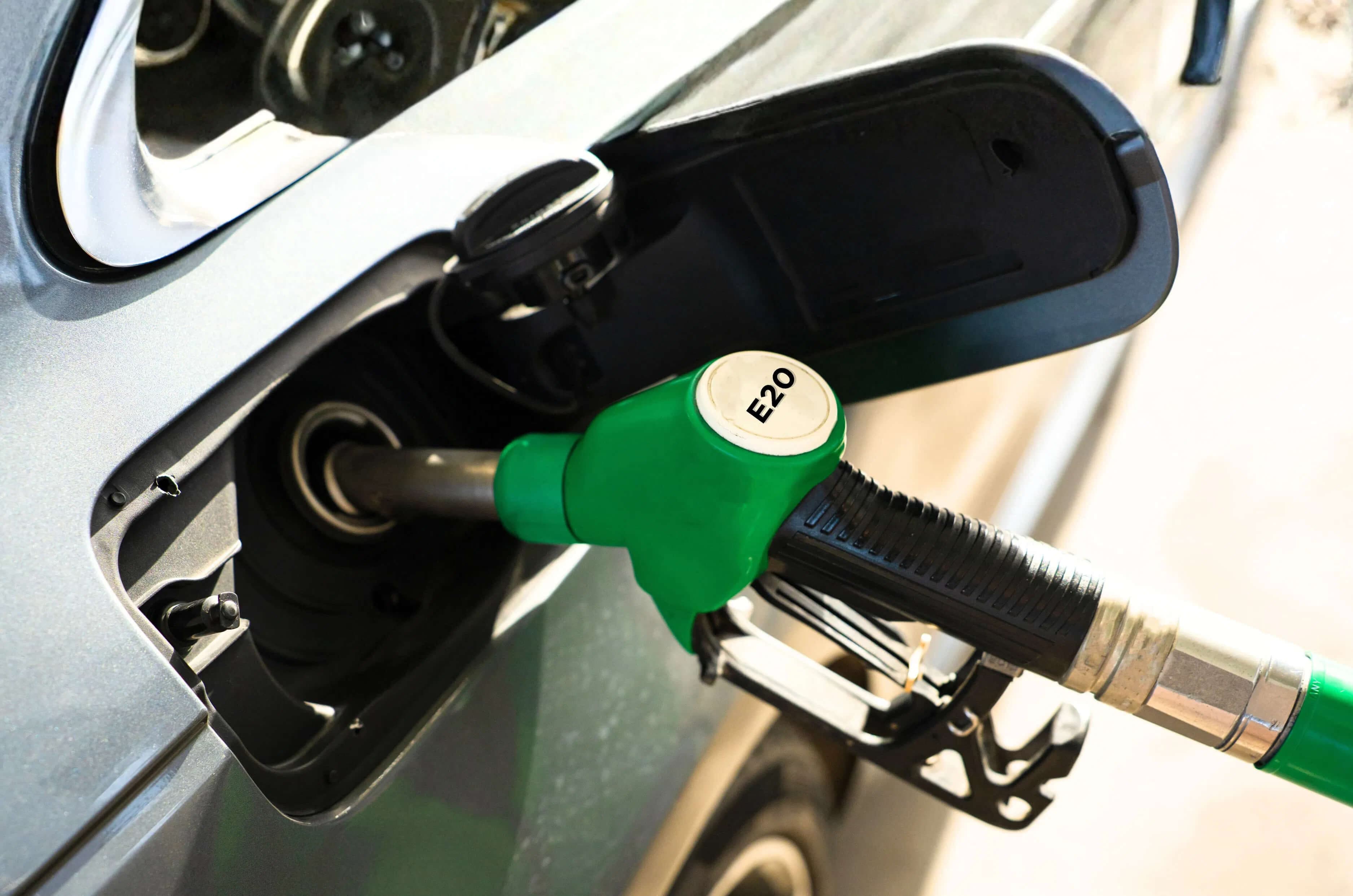
NewsIndia's biggest automakers — Maruti, Tata, Mahindra, and SIAM — have collectively raised a serious red flag: 'chloride issues' in E20 petrol. This isn't just a technical footnote; it's a direct challenge to E20's reliability and could impact your car's longevity and value.
 Buying Guides
Demystifying the real cost of buying a car in India. Learn the truth about ex-showroom markups, automatic gearboxes, NCAP safety, and how to negotiate with dealers.
 News
NewsMaruti Suzuki has officially opened bookings for the highly anticipated Brezza facelift, inviting enthusiasts to reserve their updated compact SUV for a token amount of Rs 11,000. Set for a grand debut on July 24, the new Brezza promises a significant refresh, poised to redefine its segment with an array of exterior and interior enhancements.